Founded in 1818 as the New England Glass Company in East Cambridge, Massachusetts, Libbey moved to Toledo, Ohio in 1888 and officially became the Libbey Glass Company in 1892. Toledo’s abundant natural gas, high-quality sand, and excellent railroad connections made it the ideal home for glassmaking, earning the city its nickname: “The Glass City”.
From the very beginning, Libbey has been a pioneer. The company was the first to automatically produce lightbulbs, the first to develop machine-blown glass, and the first to create one-piece press-and-blow stemware. This spirit of innovation continues today.
So how does a pile of sand and minerals become that gleaming glass on your table? Let’s take a look inside the process.
---
From Raw Materials to Molten Glass
Every piece of Libbey glass starts with a carefully balanced recipe. The primary ingredients are quartz sand, soda ash, and limestone—the classic trio of soda-lime glass. These materials are precisely weighed and mixed according to Libbey’s proprietary formulas.
The mixture is then fed into a furnace and superheated to temperatures approaching 1700°C (about 3100°F). At these extreme temperatures, the raw materials melt into a homogeneous, bubble-free liquid glass—a viscous, glowing mass that looks like liquid honey on fire.
In recent years, Libbey has made significant strides in sustainability. The company is retrofitting its Toledo facility with hybrid electric melting furnaces that combine oxygen-fuel technology with electric melting, reducing carbon dioxide emissions by up to 60 percent. It’s a major step toward making glass production cleaner for the planet.
Shaping the Glass: Precision at Speed
Once the glass is molten, it’s time to shape it. Depending on the product, Libbey uses several forming techniques.
The press-and-blow method is common for tumblers and wider-mouthed glassware. A precise “gob” (a lump of molten glass) is dropped into a mold, where a plunger presses it into an initial shape. Then, compressed air blows it to its final form inside a second mold.
For stemware and more delicate pieces, Libbey pioneered the one-piece press-and-blow process—a first in the industry. Libbey has also invested over $100 million in U.S. factories over the past decade, pioneering advanced manufacturing systems that include automated sandwich press-and-blow molding and laser measurement technology.
The molds themselves require incredible precision. Libbey’s proprietary ClearFire™ glass formula, developed through nearly two years of research, enables the production of soda-lime glass with exceptional brilliance, durability, and 30 percent less iron content than conventional glass.
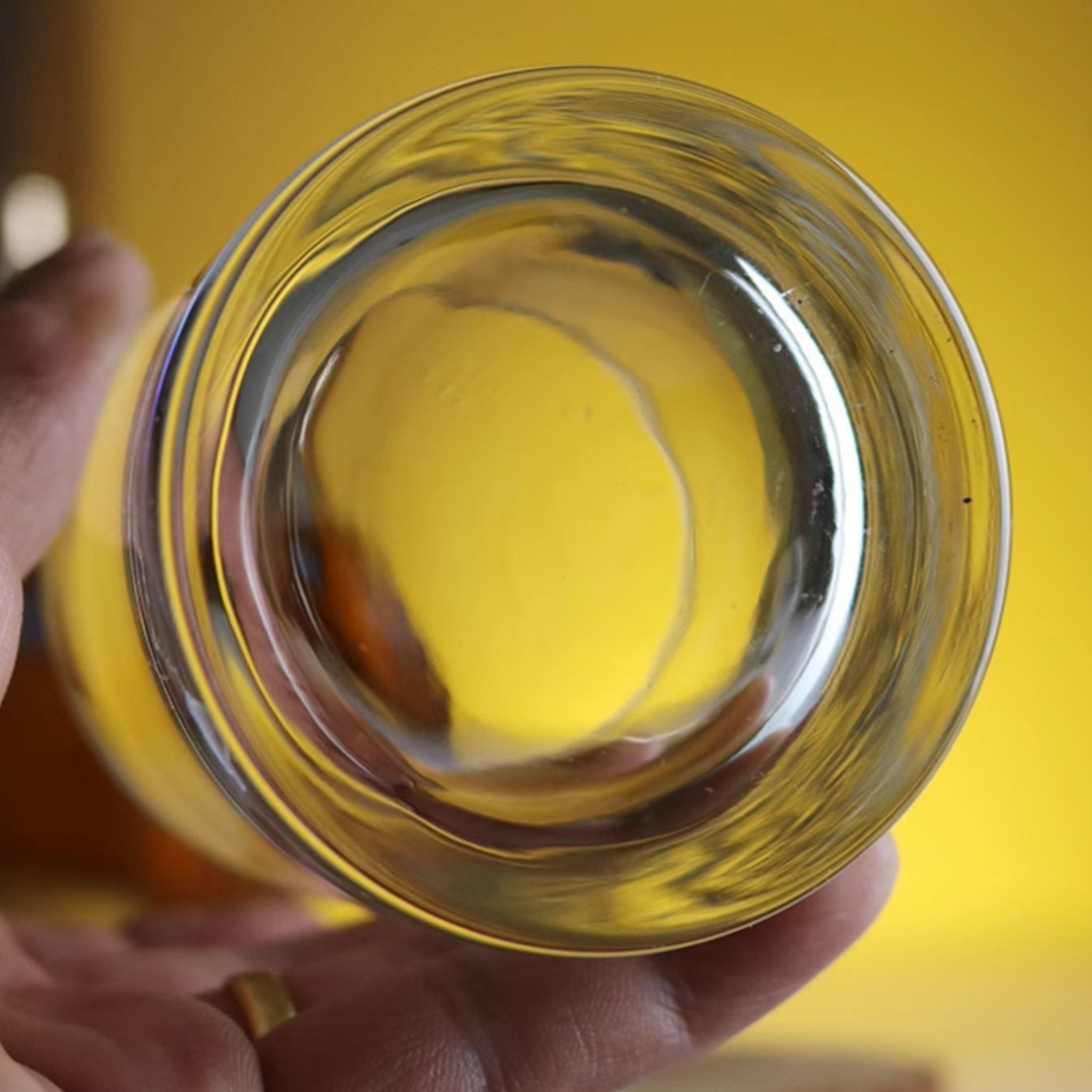
Annealing: The Secret to Strength
Freshly formed glass is still extremely hot and filled with internal stresses—like a tightly coiled spring waiting to snap. Without careful treatment, it would crack or shatter at the slightest touch.
That’s where annealing comes in. The glassware travels through a long, tunnel-like kiln called a lehr, where it is gradually reheated to a uniform temperature and then cooled down slowly and evenly. This controlled cooling releases internal stresses, transforming the fragile glass into a strong, stable product. Think of it as the glass equivalent of tempering steel—slow and patient, but absolutely essential.
Quality Control: No Compromises
At this point, every single piece is put to the test. Libbey operates an internal quality management system with standardized testing protocols for all glassware.
Products are checked for dimensional accuracy, visual defects like cracks, and proper decoration. Any
sample exceeding the allowable defect threshold is rejected entirely.
Libbey’s quality standards are among the highest in the market. Advanced methods like Firepol® glass strengthening further enhance durability, and the result is remarkable: less than 1 percent of products break before leaving the factory.
Oh, and one more thing worth noting: all Libbey glassware is completely free of lead, cadmium, barium, and other toxic heavy metals. That’s a welcome reassurance for anyone concerned about what touches their drinks.
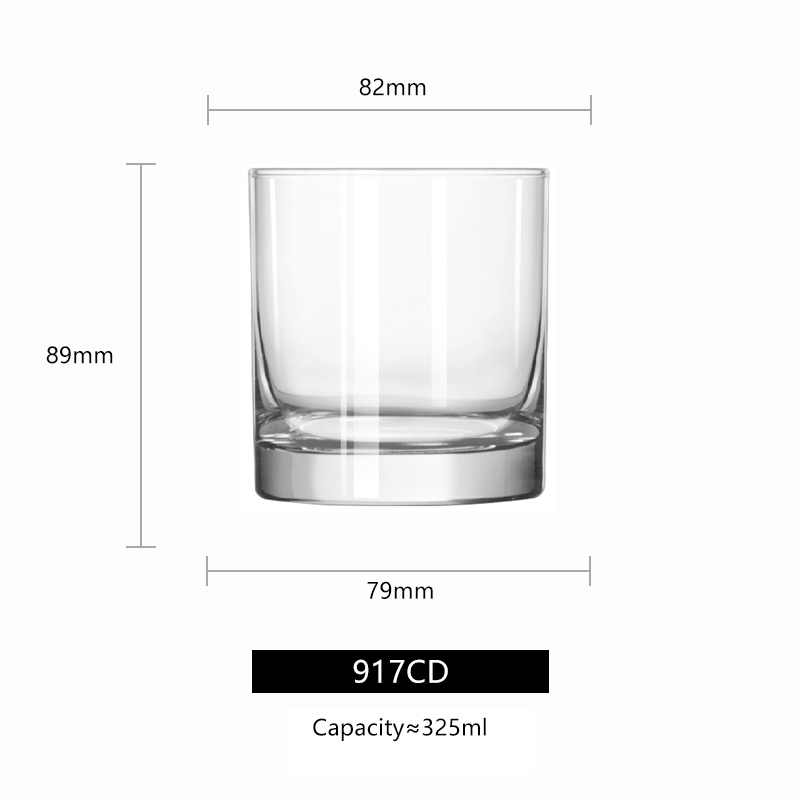
The Finished Product: A Legacy in Every Glass
From the melting furnace to the final inspection, each Libbey glass represents a legacy of American craftsmanship, technological innovation, and meticulous quality control. The company continues to push boundaries, with recent DOE grants supporting the development of even cleaner, more efficient furnace technology.
So the next time you sip from a Libbey glass, take a moment to appreciate the journey behind it. From a handful of sand to a brilliant, durable piece of tableware—it’s a transformation that has been perfected over more than 200 years. And that’s a story worth raising a glass to.


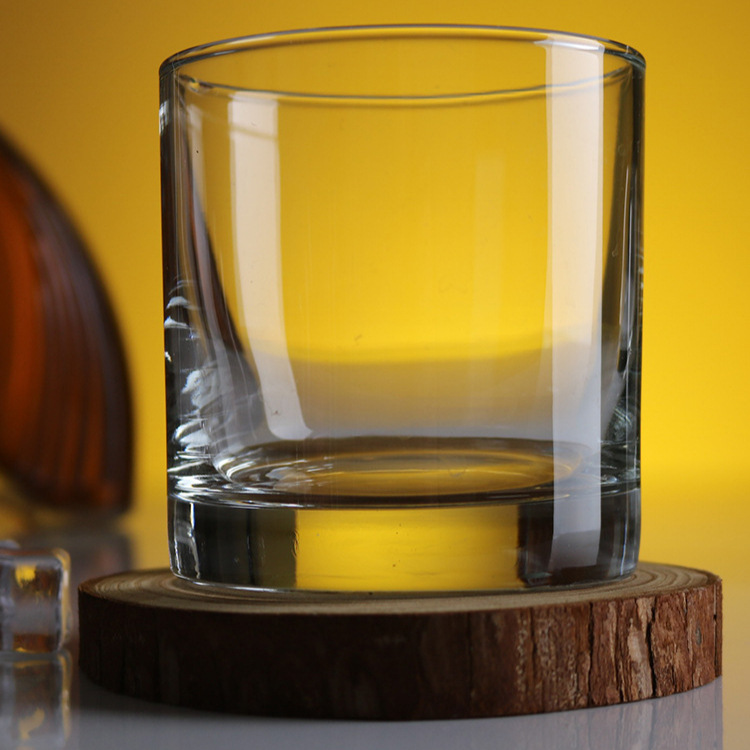 Tempered Glass
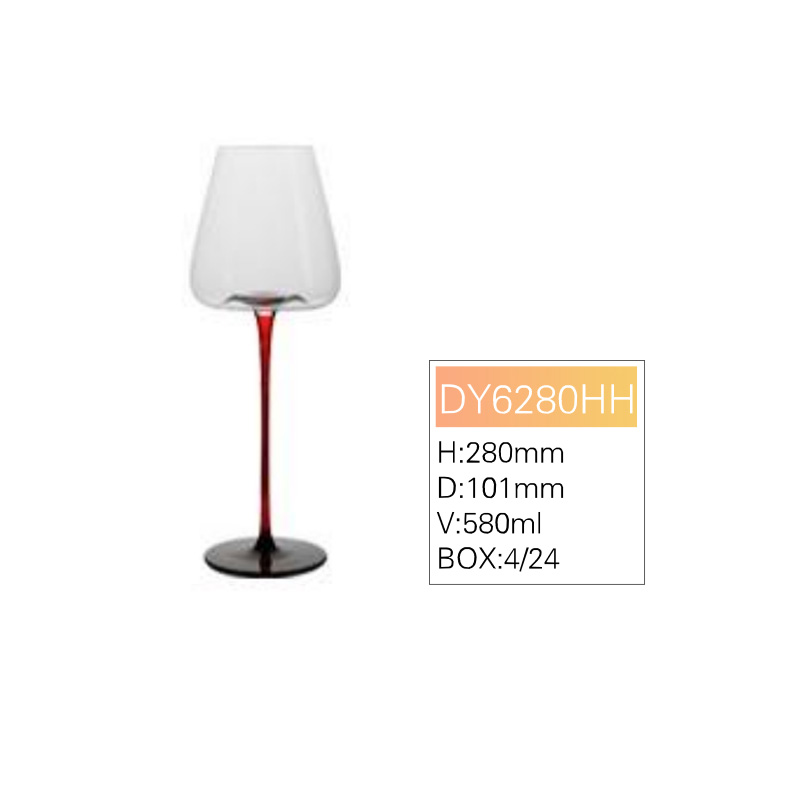 Beyond the Grape: The Delicate Art of Chinese Stemware Craftsmanship
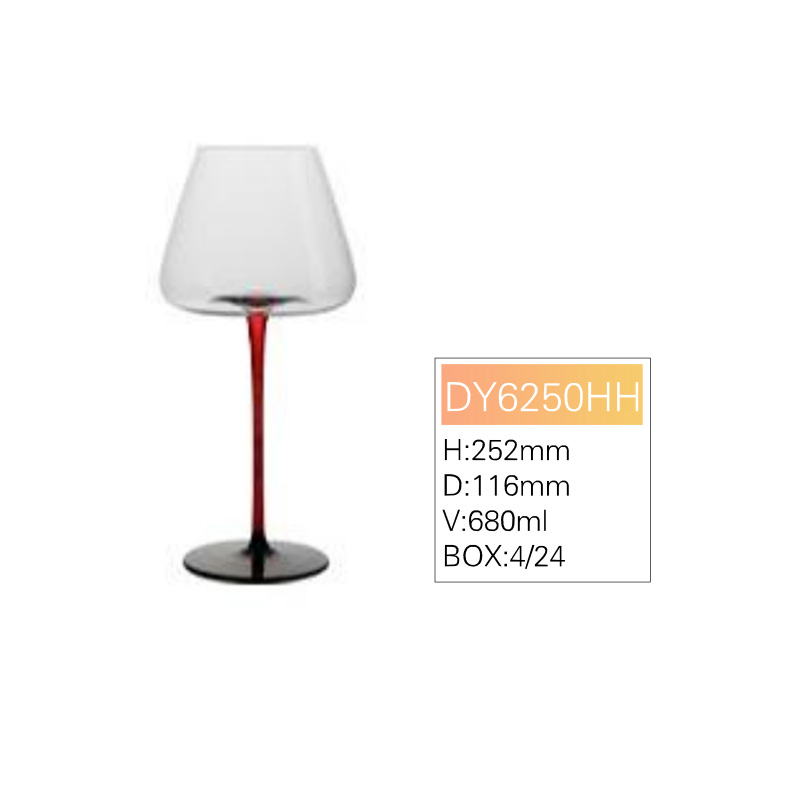 The Art of Color in China‘s Glass Cup Industry
 The Art of Clarity: A Deep Dive into the Craftsmanship of Glassware


