


The inert nature of glass sets it apart. Glass does not react with other chemicals, keeping food and beverages fresher for extended periods. Unlike other packaging materials, glass requires no chemical layer between itself and the food, preserving taste and quality.
Glass presents a healthier alternative in the kitchen. While even BPA-free plastics can release toxic chemicals when heated, glass remains a safer material. It is heat-tolerant, suitable for microwaving, oven use, and dishwashing without posing health risks. Non-porous, glass does not absorb or release harmful chemicals, making it the optimal choice for food-safe storage.
Glass containers exude sophistication, creating a polished appearance compared to plastic. The risk of discoloration or odors, common with plastic containers, is avoided with glass.
Cleaning glass is simple due to its non-porous surface, which prevents food particles from getting trapped and harboring bacteria. Unlike plastic, glass maintains its integrity over time, enduring repeated cleaning in dishwashers without deterioration.
Safe food storage involves more than just preventing spoilage; it keeps food clean, fresh, and tasty. Glass containers excel at maintaining food quality and nutrient levels, helping reduce food waste.
Glass containers offer convenience for storing leftovers and various food items. Unlike plastic, which may release chemicals when frozen or heated, glass containers are ideal for freezing, ensuring no harsh chemicals are released. Some glass containers are leakproof, providing a secure seal to prevent spills and maintain food freshness, making them ideal for long-term storage solutions like canning or pickling.
Glasslock containers are designed to be freezer-safe. These containers are made of tempered glass, which is known for its durability and resistance to temperature extremes. However, it is recommended to follow the manufacturer's instructions for freezing and thawing to ensure the safety of the containers and the food stored in them.
Before freezing, make sure the container is labeled as freezer-safe, and leave some space at the top to accommodate the expansion of liquids as they freeze. Additionally, avoid exposing the glass container to sudden temperature changes, such as placing a hot container directly into the freezer, as this could lead to breakage.
Yes, glass containers can typically be washed in a dishwasher. Glass is a durable and non-porous material, making it resistant to damage from dishwasher use. However, it is essential to check the specific care instructions provided by the manufacturer of your glass containers, as variations in glass composition and design might influence their dishwasher compatibility.
In general, most glass containers, including those designed for food storage, baking, or serving, are dishwasher-safe. To ensure the longevity of your glass containers and to prevent any potential issues, consider the following tips:
Let us keep reading and learn more about why glass containers are better than plastic ones.
Comparing glass Tupperware to plastic Tupperware involves considering several factors, each with its own set of advantages and disadvantages.
Pros:
Cons:
Pros:
Despite the advantages of plastic Tupperware, plastic poses significant environmental challenges, with plastic pollution emerging as a major threat to the future of our planet. The issue lies in its non-biodegradable nature, meaning it does not decompose. The breakdown process can span hundreds of years, releasing harmful chemicals into the environment while residing in landfills. Notably, plastic has been observed infiltrating the soil, contaminating water sources, and entering the food chain. The global production of plastic exceeds sustainable levels, reaching a staggering 400 million tonnes annually. Alarmingly, 40% of this plastic is utilized only once, contributing to the pervasive issue of "single-use plastic."
Many companies are now taking steps to minimize plastic usage and even if they are manufacturing plastic products, they are going the extra mile. For example, they are actively working towards enhancing the sustainability of their products. One noteworthy initiative in designing products nowadays is that the products are intended for a lifetime of use. Additionally, products are easily recyclable if a replacement becomes necessary, with many items featuring recycling codes to assist in sorting at recycling centers.
In the debate of glass vs. plastic for safe food storage, the advantages of glass containers shine through. While glass may be more prone to breakage and is heavier, its benefits in terms of safety, cleanliness, and environmental impact make it the superior choice for those prioritizing the health and well-being of their stored food and the planet. Consider making the switch to glass containers for a safer and more sustainable food storage solution.
In conclusion, the choice between glass and plastic Tupperware depends on individual preferences, lifestyles, and priorities, such as health considerations, convenience, and environmental concerns. However, glass storage containers stand out as the wiser, superior, and safer choice. Their versatility allows for seamless transitions from freezer to oven, dining table, and dishwasher without concerns about harmful contaminants. When faced with the choice between glass or plastic, the preference for glass containers for food is evident. They enhance the aesthetics of any pantry and are suitable for fridge or freezer storage, and the non-toxic, non-porous nature of glass ensures a kitchen free from stains, discoloration, and toxic chemicals. Opting for glass is a wise decision for every aspect of food storage, making it the preferred choice over plastic.
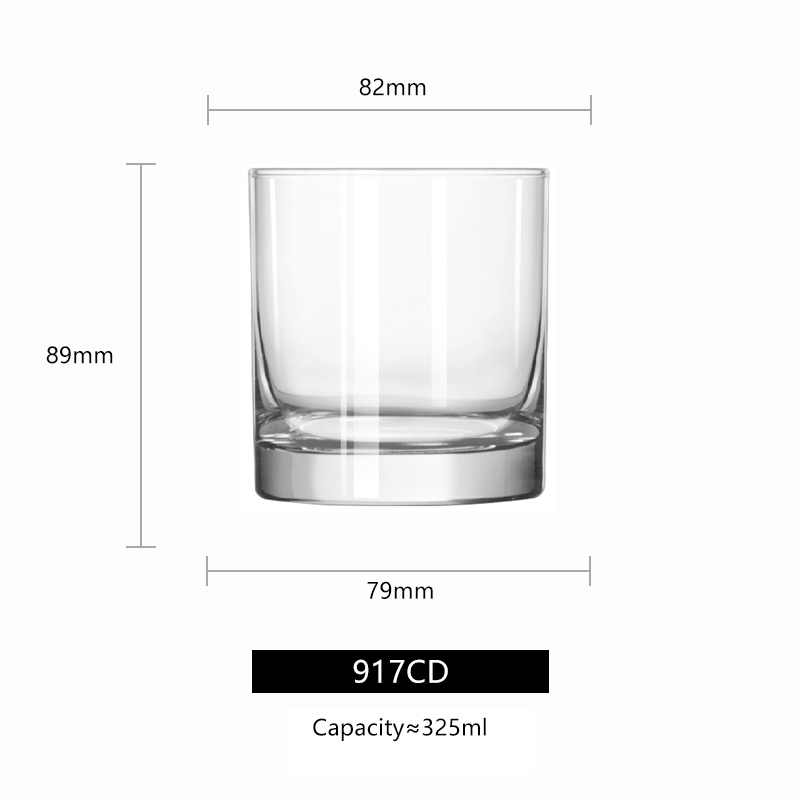 Behind the Sparkle: The Craftsmanship of Libbey Glassware
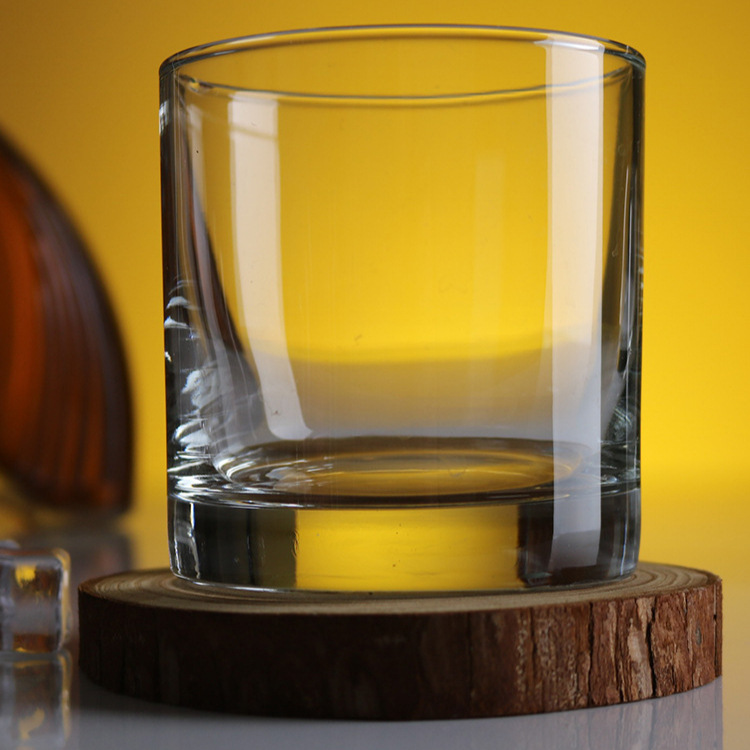 Tempered Glass
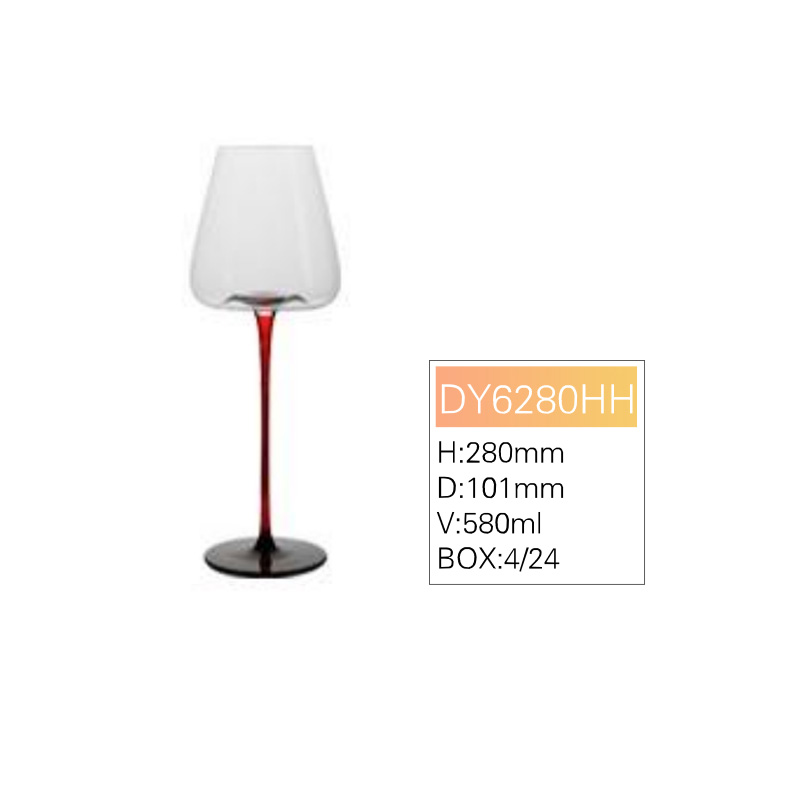 Beyond the Grape: The Delicate Art of Chinese Stemware Craftsmanship
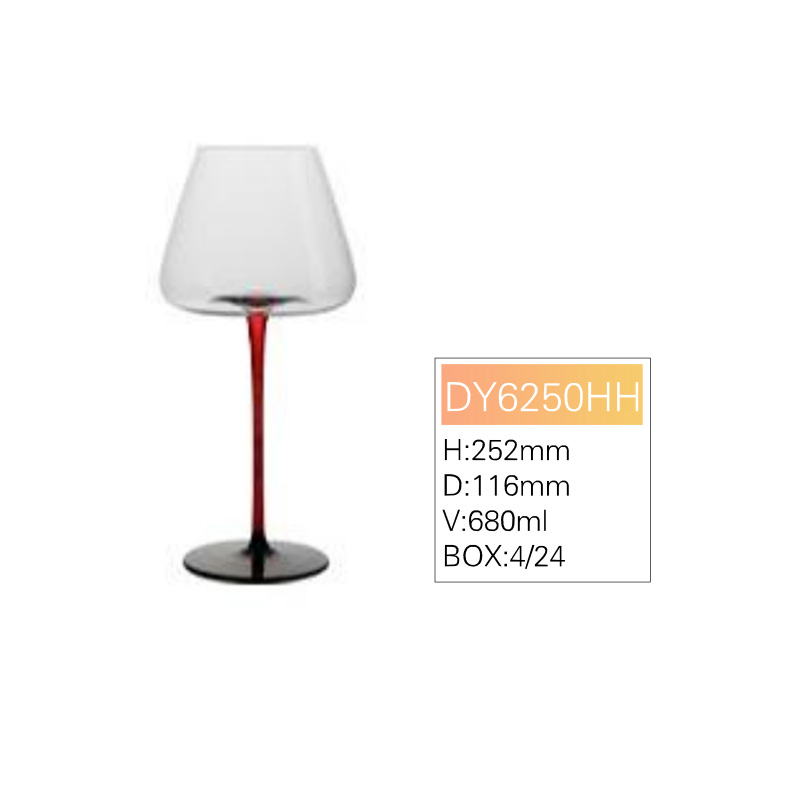 The Art of Color in China‘s Glass Cup Industry


Guangzhou HeXie Glass Co., Ltd.
Address: No. 22, Building 53, Haotai Hotel Supplies Expo City, Yingbin Road, Luopu Street, Panyu District, Guangzhou
Tel: +86-18011970645
Email: info@hexieglass.com
https://www.hexieglass.com


