


Do you ever find yourself wondering what the real distinction is between a wine glass and a goblet? Or are you wondering whether a goblet is a wine glass?
Since both contain a bowl, a stem, and a foot, it is inevitable that you will think of them. However, goblets are still used to serve water while wine glasses are made to be used for drinking wine.
With the experience of leading the glassware manufacturing industry for more than two decades, HEXIE Glass is your perfect partner to clear out all your glassware confusion.
Different kinds of glassware are important for improving the whole dining and tableware experience. Goblet glasses and wine glasses are two popular types of glassware.
Despite they look similar, they differ significantly which set them apart. Let's see the features and attributes of wine glasses and goblets and note the main distinctions between these two types of glassware.
A goblet has a footed base, a stem, and a deep, wide bowl. It is also referred to as a "Water Goblet" and is frequently used for serving drinks, particularly water. Known for their exquisite and elaborate designs. They lend a creative twist to drinking something as ordinary as water because they frequently feature elaborate engravings or designs on the bowl and stem.

We have often heard people say is a Goblet a Wine Glass? So, let us delve into the key differences between Goblets and Wine Glasses:
The shape and design are where the differences are most noticeable. The bowls of goblets are deeper and wider than those of wine glasses. A goblet can hold more liquid because of its wider bowl, which makes it appropriate for serving water (sometimes called a water goblet) or other drinks.
In contrast, wine glasses include longer, tapered bowls that assist concentrate the wine's flavors and scents.
Generally speaking, goblets are easier to hold and less likely to topple over because of their shorter stems.
The larger stem of wine glasses, on the other hand, keeps the wine from warming up in the drinker's fingers and changing its temperature.
The footed bases of wine glasses and goblets offer stability and keep them from toppling over. The base's dimensions and form, however, can vary. The bases of goblet glasses are frequently broader and more ornamental, which enhances their aesthetic appeal.
Conversely, in order to preserve a sleek and sophisticated image, wine glasses typically have smaller bases.
Because of their versatility, goblets can be used for a variety of liquids, such as mixed drinks, water, and juices. Water goblets are those that are used to serve water. They are frequently a part of an extensive collection of glassware and are frequently seen in formal dining settings.
As the name implies, wine glasses are made especially for drinking wine. They are frequently utilized at restaurants, private parties, and wine tastings when wine is the preferred beverage.
Although they are both kinds of drinking glasses, goblets and wine glasses are not the same in terms of form, style, or purpose.
Stemware refers to drinking glasses with a long stem between the bowl and the base. Common pieces include wine glasses and champagne flutes.
Barware includes glasses with solid, flat bases, like highballs and whiskey glasses.
In either case, the shape of each glass is designed to enhance the beverage it holds.
Your everyday glassware should feel comfortable in your hand and be durable, dishwasher-safe, and easy to store. HEXIE Glass makes wonderful everyday glasses.
Fine stemware should be washed by hand and dried with a lint-free cloth. Never use steel wool or abrasives on your stemware. We do not recommend using the dishwasher for any crystal stemware.
Stemware should be stored right side up to protect the rims of the glasses from breakage. We recommend placing fine stemware near the backs of your shelves to protect them from accidental handling.
It depends on the look you want.Glass is more affordable, but less brilliant. Lead crystal, which is produced by adding 24% red lead oxide to glass, is heavier, more clear, and more brilliant. The addition of the oxide also softens the raw material, so lead crystal can take on more intricate cutwork and designs. High-end stemware is usually made from lead crystal.
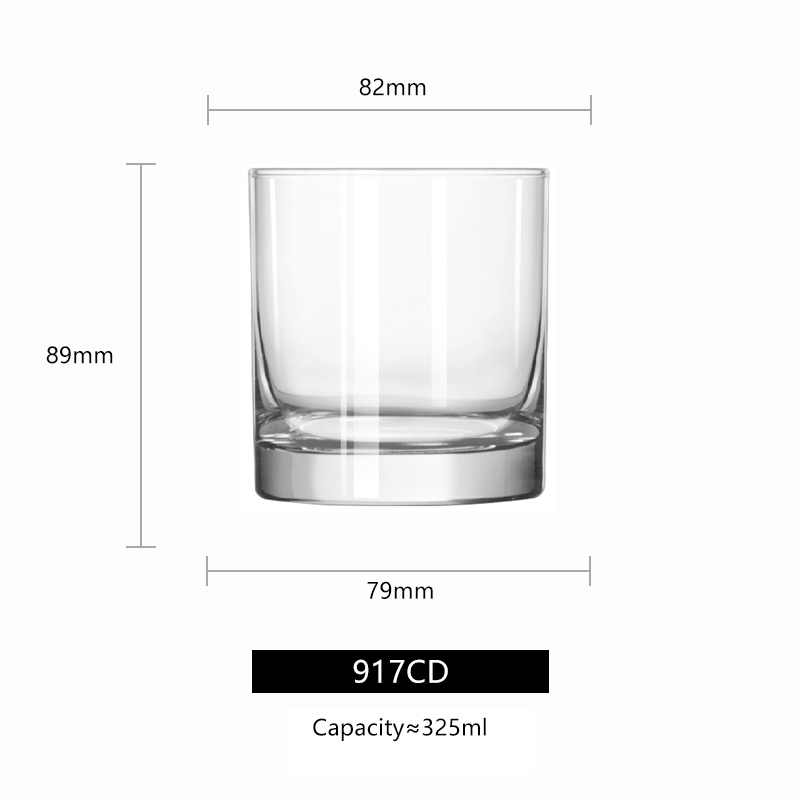 Behind the Sparkle: The Craftsmanship of Libbey Glassware
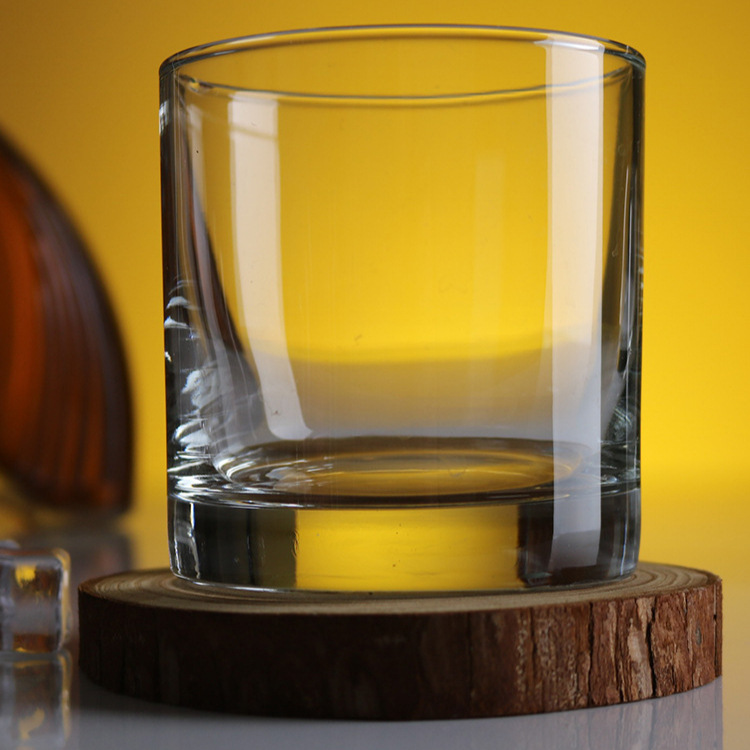 Tempered Glass
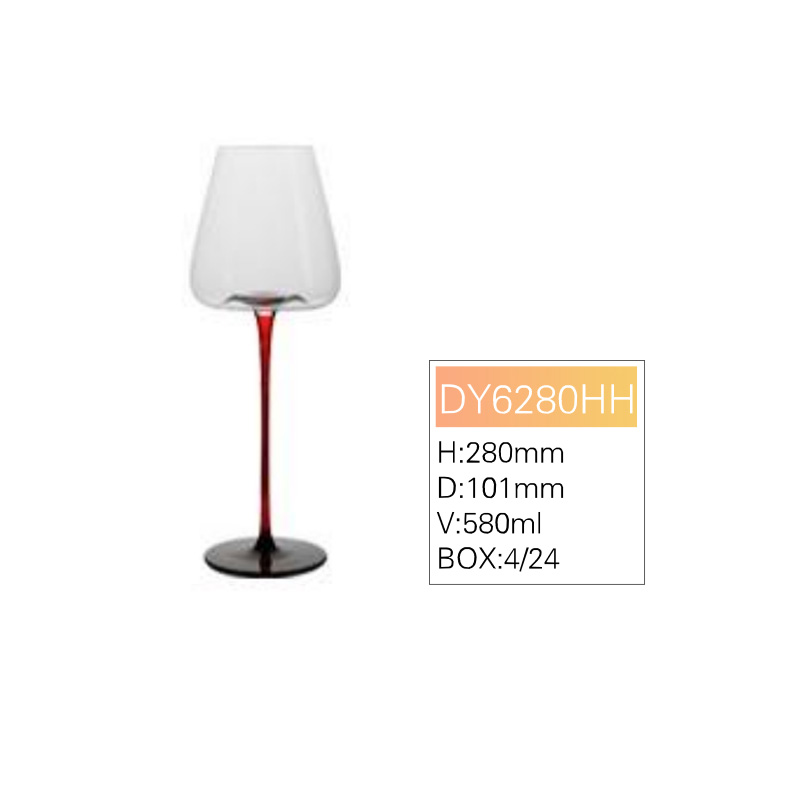 Beyond the Grape: The Delicate Art of Chinese Stemware Craftsmanship
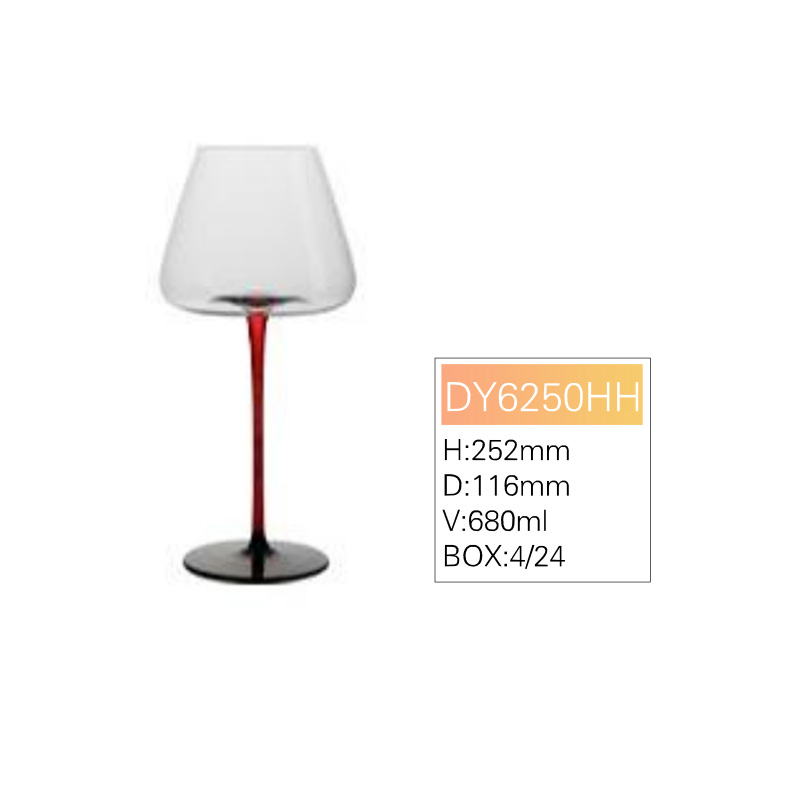 The Art of Color in China‘s Glass Cup Industry


Guangzhou HeXie Glass Co., Ltd.
Address: No. 22, Building 53, Haotai Hotel Supplies Expo City, Yingbin Road, Luopu Street, Panyu District, Guangzhou
Tel: +86-18011970645
Email: info@hexieglass.com
https://www.hexieglass.com


