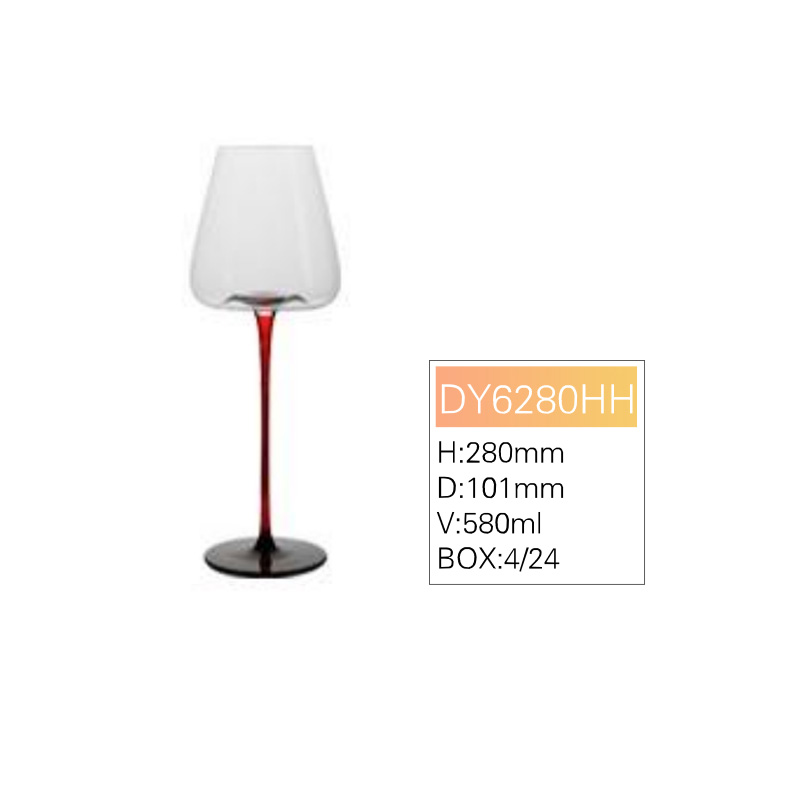
What is different of Goblet wine glass
Views : 715
Update time : 2024-11-20 09:43:10

Goblet Wine glass introduction


Wine glass goblet, because of its slender base, is popularly called a goblet, but in fact, a goblet is just one type of wine glass. In wine culture, wine glasses are an indispensable and important part. In the traditional Western view, choosing the right wine glass for wine can help better taste the wine.

Wine glasses can be roughly divided into three types: red wine glasses, white wine glasses and champagne glasses. Different types of wine glasses should be used for different types of wine to make the wine more fragrant. The function of the wine glass is mainly to retain the aroma of the wine, so that the wine can rotate in the glass and fully combine with the air. The standard cup type is a goblet with a large belly and a small mouth, the so-called tulip cup, which is conducive to the aroma gathering above the cup. The reason for the high foot is that the hand can hold the cup to prevent the hand from touching the belly of the cup and affecting the wine temperature.


HOW TO CHOICE A GOBLET

  1. The shape of a good professional wine glass must be elegant, soft, smooth and warm. The cup body must be round, thin and light. On the one hand, it has excellent beauty and touch, and on the other hand, it allows the wine to fully contact with the air, so that the temperature, concentration, harmony, uniformity and richness are all displayed one by one. In addition, it must have a crystal clear texture and excellent transparency, so that the wine taster can fully observe the color, clarity, bubbles and gradient of the wine juice. 
  2. The appearance of hand-made and machine-blown cups is very similar, but the price is far apart. As long as you observe carefully, the hand-made cups are particularly delicate and refined in the curvature. If you touch the foot of the cup with your fingers, you can often feel a thin seam running straight from top to bottom in the machine cup, which is not difficult to identify.
  3. It is best not to fill the wine glass too full for red and white wine. Generally speaking, it is enough to pour about 1/2~1/3 of the wine glass, but champagne can be poured to about 1/2~2/3 to facilitate the viewing of the beautiful golden color and bubbles.
  4. When holding a wine glass, it is best to hold the foot or base of the glass with your fingers. Before drinking, gently rotate and shake the glass to disperse the wine aroma and make it easier to smell. Do not hold the glass body with your palm to avoid affecting the temperature of the wine.

5 A good wine glass can increase visual temptation and enhance the beauty of the wine.

Matching of wine glasses and wine (picture)

From left to right: water, brandy, white wine, Burgundy red wine, sparkling wine, red wine.


Wine connoisseurs agree that each wine needs a special wine glass to produce a unique wine aroma. For example, drinking rich Burgundy wine in a narrow glass will leave less space for the wine to swirl, but the wine aroma is produced by swirling. The glass must also be appropriately tapered towards the top so that the wine aroma can be captured while sipping. Generally, the foot of the glass must be long enough to prevent the hand from touching the glass body, which will affect the temperature and even the aroma of the wine.
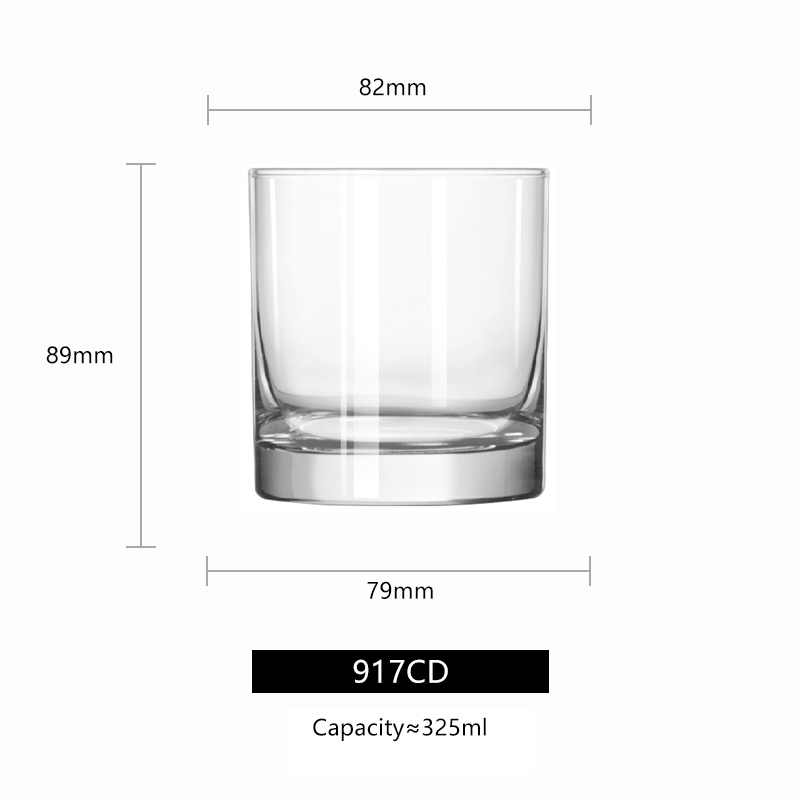
 

  1. Water: A wide-mouthed, short-footed glass that can be held by the foot to retain the cold water temperature.
  2. Brandy: Use a narrow, wide-mouthed, large-bellied brandy glass, rub it between your hands, and then warm it with your hands to produce the brandy aroma.
  3. White wine: Use a slightly smaller glass with a wide mouth to capture the aroma, and hold the stem to keep it cool.
  4. Burgundy red wine: Use a wide, large glass to stimulate its complex aroma. This glass is slightly taller than a white wine glass.
  5. Champagne: Use a narrow, grooved glass to reduce the surface area of ​​the wine and prevent bubbles from dissipating.
  6. Red wine: Use the larger glass, hold it where the body and stem meet.
Related News
Read More >>
Behind the Sparkle: The Craftsmanship of Libbey Glassware Behind the Sparkle: The Craftsmanship of Libbey Glassware
May .14.2026
Have you ever held a perfectly balanced wine glass or a durable tumbler that felt surprisingly elegant in your hand? There’s a good chance it was a Libbey. For over two centuries, this American company has been quietly perfecting the art of glassmaking—and their manufacturing process is far more sophisticated than you might imagine.
Tempered Glass Tempered Glass
Apr .30.2026
Tempered glass cups are also easy to clean and maintain. The smooth surface of the glass resists the adhesion of stains and odors. Unlike plastic cups, which may absorb the flavors and colors of certain beverages over time, tempered glass cups can be easily washed by hand or in a dishwasher, and they will retain their original clarity and appearance. Cleaning agents and hot water can effectively remove any residue, ensuring that the cups are hygienic for repeated use. This ease of cleaning is not only convenient for consumers but also beneficial in commercial settings where maintaining high standards of cleanliness is essential.
Beyond the Grape: The Delicate Art of Chinese Stemware Craftsmanship Beyond the Grape: The Delicate Art of Chinese Stemware Craftsmanship
Apr .10.2026
When we think of fine stemware—those elegant wine glasses, champagne flutes, and water goblets that add sparkle to a dinner table—our minds often drift to the famous crystal houses of Europe: Austria’s Swarovski, France’s Baccarat, or Germany’s Zwiesel. These names have long been the gold standard for luxury glassware.
The Art of Color in China‘s Glass Cup Industry The Art of Color in China‘s Glass Cup Industry
Apr .10.2026
When you hold a beautifully colored glass cup—whether it’s a deep amber tumbler, a vibrant cobalt blue mug, or a delicate pink wine glass—you are holding centuries of glassmaking science and artistry. But color is far more than decoration. In China’s glassware industry, the science and technology behind glass coloration—known as liaose in Chinese—represents a sophisticated fusion of chemistry, material science, and advanced manufacturing that has transformed the industry into a global leader.