Few objects blend functionality, elegance, and tradition as seamlessly as the glass champagne flute. More than just a vessel for serving bubbly, it is a carefully designed tool that enhances the taste, aroma, and visual appeal of champagne—turning every sip into a sensory experience. From its historical evolution to its modern-day variations, the glass champagne flute tells a story of craftsmanship, science, and cultural celebration. To truly appreciate this iconic piece of tableware, one must explore its design logic, types, role in etiquette, and enduring relevance in contemporary life.
The history of the glass champagne flute is closely tied to the evolution of champagne itself. In the 17th century, when champagne was first produced in the Champagne region of France, it was served in wide, shallow bowls—similar to wine glasses of the era. However, winemakers and connoisseurs soon noticed a problem: the wide surface area of these bowls caused champagne’s precious bubbles (a result of secondary fermentation) to dissipate too quickly, robbing the drink of its signature fizz and aroma. Over time, craftsmen began experimenting with taller, narrower designs to address this issue. By the 19th century, the modern glass champagne flute—with its long stem, narrow bowl, and tall shape—had emerged as the standard. This design was not just a matter of aesthetics; it was a solution rooted in science. The long stem prevented hands from warming the chilled champagne (since body heat can alter its flavor), while the narrow bowl reduced surface contact with air, preserving bubbles and concentrating aromas. Today, this classic design remains the gold standard, a testament to its practicality and timeless appeal.
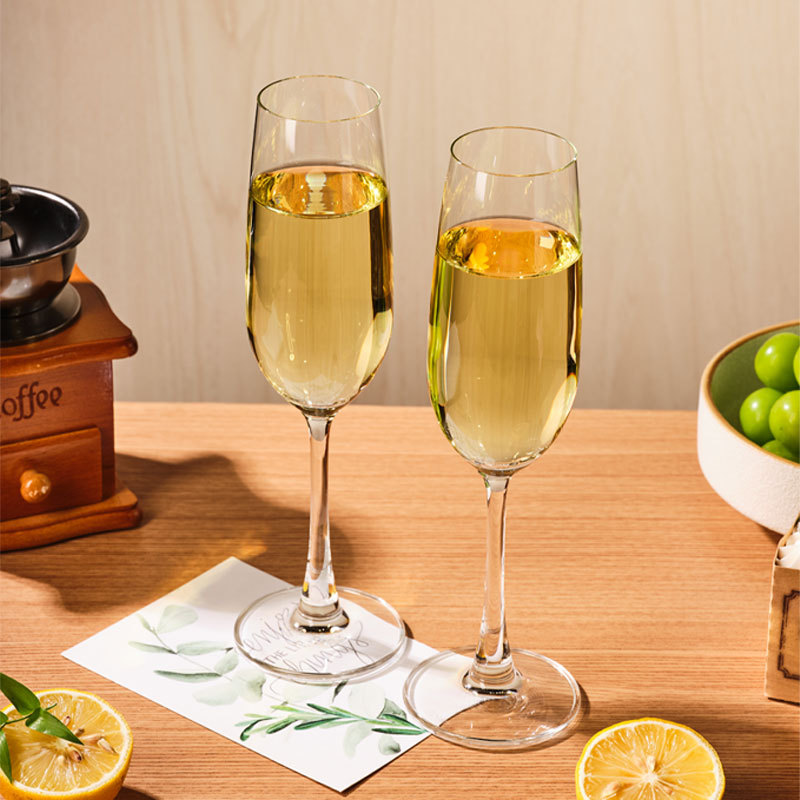
At first glance, a glass champagne flute may seem simple, but every detail of its design serves a specific purpose. Let’s break down its key components: the bowl, stem, and base. The bowl, typically tall and narrow with a slight taper toward the rim, is the most critical part. Its narrow shape limits the amount of air that comes into contact with the champagne, slowing down the loss of carbonation. This ensures that the drink retains its bubbles—often called “perlage”—for longer, as each bubble rises gently from the bottom of the bowl to the top. The bowl’s height also allows for the full visual display of these bubbles, which is part of champagne’s allure; watching the tiny streams of fizz dance upward is a delight that adds to the joy of drinking. Additionally, the narrow opening of the bowl concentrates the champagne’s aromas (such as notes of citrus, floral, or toast) toward the nose, enhancing the olfactory experience—an essential part of tasting any fine beverage.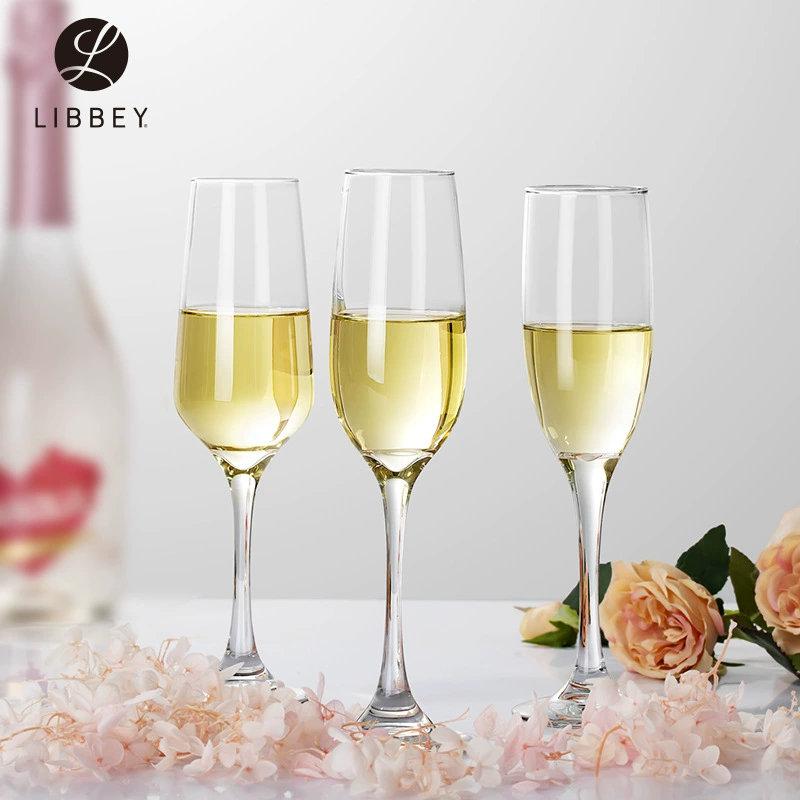
The stem of the flute is equally important. Usually 4–6 inches long, it acts as a barrier between the drinker’s hand and the bowl. Champagne is best served chilled (between 45–48°F or 7–9°C); if hands touch the bowl directly, body heat can warm the drink, dulling its crispness and altering its flavor profile. The stem also provides a comfortable grip, allowing the drinker to hold the flute without disturbing the champagne inside. The base, or foot, of the flute is wide and stable, preventing the glass from tipping over easily—a practical feature, especially at parties or events where glasses may be set down on crowded tables. Together, these components create a design that balances science (preserving flavor and fizz) with usability (easy handling and stability).
While the classic narrow flute is the most well-known, there are several variations of glass champagne flutes, each tailored to different types of champagne or personal preferences. One popular variation is the “tulip flute,” which has a slightly wider bowl that tapers more sharply at the rim. This design is ideal for fuller-bodied champagnes, such as vintage or prestige cuvées, as the wider bowl allows for more aeration (without losing too many bubbles), helping to release complex flavors and aromas. Another variation is the “coupe,” a retro-style glass with a wide, shallow bowl and short stem. Though less common for traditional champagne, coupes are often used for champagne cocktails (like the French 75 or Kir Royale) because their wide surface area makes it easy to add garnishes (such as lemon twists or berries) and allows the cocktail’s flavors to blend well. For those who prefer a modern twist, there are also stemless champagne flutes—these lack a traditional stem, with the bowl sitting directly on a wide base. While they are more compact and less likely to break, they do have a drawback: hands can warm the bowl, so they are best used for quick sips or outdoor events where chill retention is less critical.
Beyond its functional role, the glass champagne flute plays an important part in champagne etiquette and cultural traditions. In formal settings—such as weddings, New Year’s Eve celebrations, or fine-dining meals—using the correct flute is seen as a sign of respect for the beverage and the occasion. For example, when toasting, it is customary to hold the flute by the stem (not the bowl) to avoid smudging the glass and to keep the champagne cold. Tapping flutes together during a toast is another beloved tradition, though it should be done gently to prevent the delicate glass from breaking. The flute also serves as a symbol of celebration; its tall, elegant shape evokes feelings of joy and sophistication, making it the perfect vessel for marking milestones—whether it’s a wedding, a promotion, or a family reunion. In many cultures, a champagne toast with flutes is a way to honor moments of happiness and connection, turning a simple drink into a shared experience.
In recent years, the glass champagne flute has also adapted to modern trends, particularly in terms of sustainability and personalization. Many manufacturers now produce flutes made from recycled glass, aligning with the growing demand for eco-friendly tableware. Some brands also offer customizable flutes, allowing customers to add engravings (like names, dates, or logos) for special events. Personalized flutes are especially popular for weddings, where they can be used during the toast and then kept as keepsakes by the couple or given as gifts to guests. Additionally, there are travel-friendly champagne flutes—made from shatterproof glass or durable acrylic—that are designed for outdoor events, picnics, or trips, making it easy to enjoy champagne in any setting without worrying about breakage.
In conclusion, the glass champagne flute is far more than just a drinking vessel. It is a product of centuries of innovation, blending scientific design with artistic elegance. Its ability to preserve champagne’s bubbles, enhance its flavor, and elevate moments of celebration has made it an enduring icon in the world of tableware. Whether it’s the classic narrow flute, a tulip-shaped variation, or a personalized keepsake, this glass embodies the joy of celebration and the respect for fine craftsmanship. The next time you raise a glass champagne flute to toast, take a moment to appreciate its design—every curve, every inch of stem, and every part of the bowl is there to make your experience of drinking champagne as delightful as possible. In a world of disposable cups and hurried moments, the glass champagne flute reminds us to slow down, savor the moment, and celebrate life’s special occasions with elegance and care.









Guangzhou HeXie Glass Co., Ltd.
Address: No. 22, Building 53, Haotai Hotel Supplies Expo City, Yingbin Road, Luopu Street, Panyu District, Guangzhou
Tel: +86-18011970645
Email: info@hexieglass.com
https://www.hexieglass.com