Why do international hotel chains choose libbey as their glass supplier?
 Eric
03July 2025
0Comments
608Views
Eric
03July 2025
0Comments
608Views
The core reason why international hotel chains choose Libbey as a glass supplier is that its century-old craftsmanship, global supply chain capabilities and product characteristics that are deeply compatible with hotel scenarios. The following analyzes its business logic from five dimensions:
1. Industry benchmark for quality and durability
Since its establishment in 1818, Libbey has always taken high-strength glass craftsmanship as its core competitiveness. Its products use lead-free crystal glass and reinforced tempering technology, and have passed the testing of international authoritative organizations (such as FDA and EU food contact standards) to ensure that they are not easy to yellow after long-term use and have strong impact resistance. For example, its classic Gibraltar Rocks whiskey glass adopts a heavy-duty base design that can withstand high-frequency washing in daily dishwashers, and the breakage rate is 40% lower than that of ordinary glass. This durability is particularly critical for hotels - taking a five-star hotel as an example, if the annual loss rate is reduced by 1%, tens of thousands of dollars in replacement costs can be saved each year.
2. Design diversity and customization capabilities
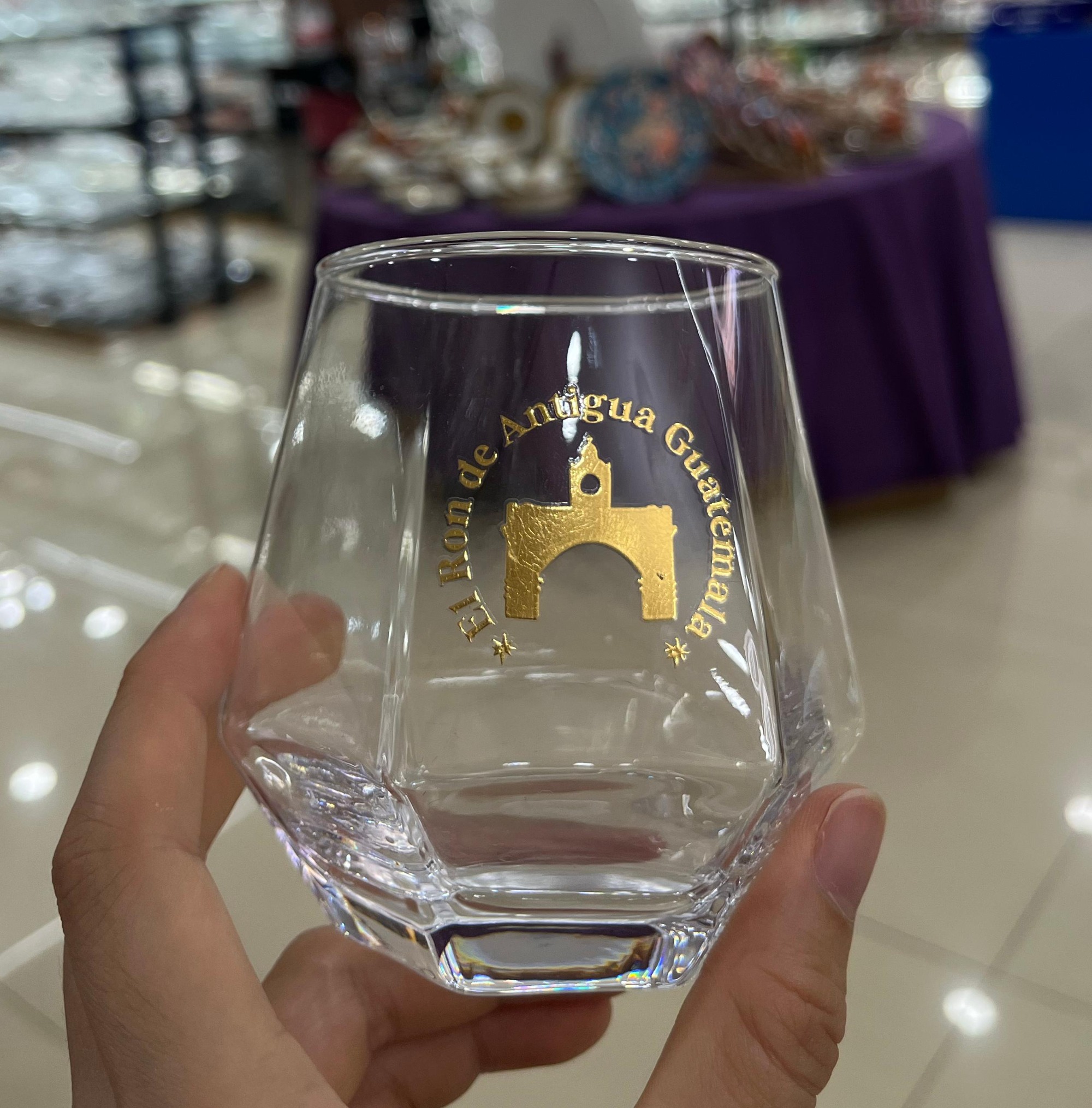
Libbey has more than 1,000 cup types, covering all categories such as champagne glasses, wine glasses, cocktail glasses, etc., and the design style covers everything from classical crystal cutting to modern minimalism. Its Mexican design lab collaborates with world-renowned designers to regularly launch limited-edition trendy items to help hotels create differentiated experiences. More importantly, Libbey provides in-depth customization services: hotel logos can be embedded in the cup body through etching, hot stamping and other processes, and even the curvature and transparency of the cup body can be adjusted according to the interior design. For example, the Shangri-La Hotel in Qingdao uses Libbey's customized goblets, integrating the brand logo with local cultural elements to become a visual symbol of guest rooms and restaurants.
3. Global supply chain and cost control
As the largest glassware manufacturer in the Western Hemisphere, Libbey has 6 major manufacturing bases in the United States, China, Portugal and other countries, with an annual output of more than 1 billion pieces. It reduces transportation costs and breakage rates through regionalized and nearby supply. Its distribution network covers more than 100 countries, and can achieve 72-hour emergency replenishment to ensure the standardized procurement needs of global hotel chains. Large-scale production further reduces costs - with the same quality, the price of Libbey glass cups is 30%-50% lower than that of European luxury brands, but the durability is 20% higher. For example, Marriott Group reduced its annual procurement costs by about 15% through centralized procurement of Libbey products.
4. Environmental protection and sustainable practices
Facing the trend of green transformation in the global hotel industry, Libbey launched a recycled glass series, which uses more than 30% recycled materials and introduces renewable energy furnaces in the production process, reducing carbon emissions by 60% compared with traditional processes. Although it did not directly apply for GRS/RCS certification, its environmental protection technology has received special funding from the US government and meets strict standards such as the EU's "New Battery Regulation". This "implicit environmental protection" strategy not only meets the hotel's ESG reporting needs, but also avoids the transfer of certification costs. For example, InterContinental Hotels Group (IHG) has included Libbey recycled glass in its "2030 Net Zero Emissions" plan as an important indicator of supply chain sustainability.
V. Full-cycle service and industry ecological integration
Libbey has built a closed-loop service system from design to after-sales:
Preliminary: Provide scenario-based solutions, such as customizing decanters for Michelin restaurants and designing exclusive cocktail sets for bars;
Mid-term: Help hotels optimize inventory and reduce storage costs through digital inventory management systems;
Later: Promise free replenishment when the breakage rate exceeds 3%, and provide cup maintenance training (such as how to avoid water stains).
In addition, Libbey has established a joint procurement platform with global catering equipment manufacturers (such as WMF and Hoshizaki), so that hotels can complete the purchase of tableware, ice buckets and other supporting products in one stop, saving about 20% of procurement time and cost.
Industry trends and competitive barriers
At present, the demand for glassware in the hotel industry is shifting from "functional satisfaction" to "experience upgrade". Libbey continues to consolidate its position in the high-end market through technological innovation (such as heat-resistant glass, smart temperature control cups) and cross-border collaborations (such as limited editions in cooperation with luxury brands). In contrast, competitors such as Riedel are known for their handmade crystal glasses, but their high prices and limited production capacity make it difficult to meet the needs of hotel chains; while brands such as Luminarc focus on cost-effectiveness, but lack design depth and customization capabilities. Libbey's large-scale customization model just finds a balance between quality, cost and personalization, which is its core competitiveness that makes it the first choice for international hotels.


 03July 2025
0Comments
608Views
03July 2025
0Comments
608Views