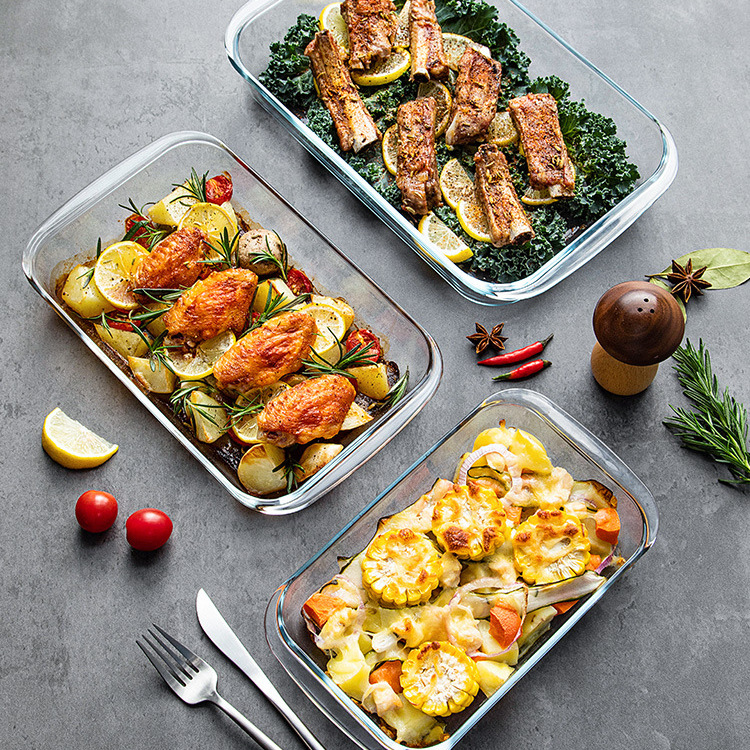
Glass and metal bakeware could not behave more differently when heated. The metal heats up rapidly and cools down rapidly. The glass heats up slowly and cools down slowly. Not only are these differences fascinating (yes, our Food Network book delves into the nitty-gritty details of bakeware materials), but they're also incredibly useful in helping determine when you should choose one pan over another. Like, should you bake brownies in a glass? Should you bake your pies in a metal pan? Are brownies best served in a glass? in metal? What about berry crisp? Fortunately, we've addressed all of these queries and more below.
What are the characteristics of metal bakeware?
Fast Heating and Fast Cooling: Metal bakeware heats up quickly in a hot oven because metal is an excellent conductor of heat.
Bakes slower than glass: Interestingly, however, metal pans bake things slower than glass pans. So if a recipe calls for a glass pan and you decide to use a metal pan instead, be sure to add a few minutes to the baking time.
Reacts negatively with acidic ingredients: Some metal pans react negatively with acidic ingredients. So when making something fruity or citrusy, as is the case with cobbler or baked lemon pudding, you should stick to glass pans.
The darkness of the metal matters: You may notice that some recipes specify a light or dark metal bakeware. This is because of the difference in color: darker metal pans absorb more heat than lighter ones.
Create sharp edges and corners: As far as metal baking aesthetics go, metal pans give your cakes and brownies the sharpest edges and corners, and for some of us (well, all of us) this is more The soft rounded corners created by the glass pan are preferable.
What are the characteristics of glass bakeware?
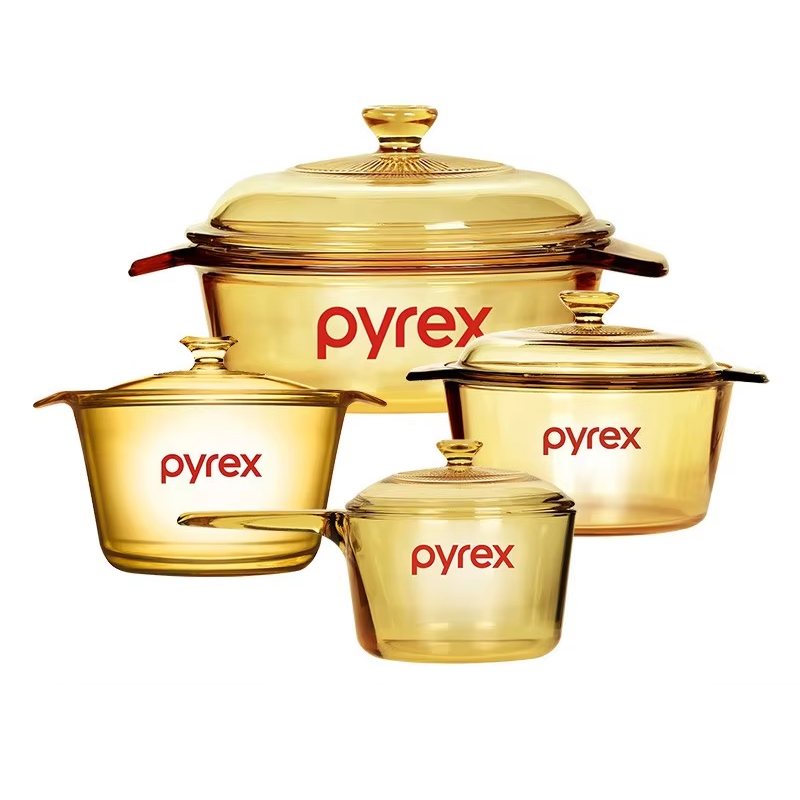
Holds heat better than metal: glass pans are more expensive and heavier than metal pans, and hold heat better (that's why metal pans cool quickly on the counter while glass pans don't), great for keeping desserts at the table Warm, like a hot fudge pudding cake.
Bakes faster than metal: If you need to use glass pans instead of metal pans, you'll need to reduce the oven temperature by about 25 degrees to ensure that baked goods don't bake too quickly and burn.
Non-reactive with acids: Unlike metal, glass is non-reactive, making it the perfect container when baking with berries or citrus.
Are glass or metal pans better for baking?
At the risk of alienating glass lovers at home, we think metal is better for baking. The reason is as follows. Candies bake and brown more evenly in metal pans; in glass pans, the outside of the baked good is often done before the inside. Plus, metal pans produce sharp, nice edges on baked goods, while glass pans produce rounded edges.
Cooking, however, is a different story: we love macaroni cheese, lasagna, baked ziti, or any casserole in a glass pot. Glass bottoms and walls showcase their beautiful layers and keep dishes warmer for longer than metal pans. So, glass definitely has its place, it's just not when we're getting ready for the school bake sale.
What should I bake in a metal baking dish?
We don't want to say - we promise, we're not against glass! — but metal does an overall better job than glass at baking just about everything except sour desserts. It bakes evenly because it heats up so quickly. It also browns beautifully and crisps to perfection.
biscuit
bar
chocolate
cake
bread
there are more!
What should I bake in a glass baking dish?
There are times when glass pans are better for baking.
pie. If you're a beginner, you can grab a pie plate (hands on a pot holder!) and look at the bottom of the crust to see when it's ready to come out of the oven—we love glass.
anything acidic. Think: berry crisps! Glass won't react with acidic ingredients, while metal might.
Baked French Toast Casserole and Bread Pudding. Glass keeps these plates warmer longer than metal and showcases their beautiful layers.
Recipes calling for glass and metal pans
Want to see glass and metal pans in action? Check out some different recipes and make them all.
Pecan Pie Brownies from Food Network Kitchen.
Matt Amendaris
Pecan Pie Brownies
While the recipe doesn't specify the type of 9-inch baking pan, we recommend metal pans over glass pans because brownies aren't brownies without the sharp edges and corners that only metal plans can offer—are we right?
What's the difference between a glass bakeware and a metal bakeware?
Baked Croissant French Toast with Orange Syrup
The recipe here calls for an 8" square fireproof baking dish, which we're pretty sure is code for glass (or ceramic). Glass pans are great when baking egg casserole-type meals, like this croissant pudding.
What's the difference between a glass bakeware and a metal bakeware?
chocolate cookie
The recipe for these "fan-favorite" chocolate chip cookies may not specify the material of the baking pan you're baking these little cuties in, but we think it's fair to say they're metal. Chocolate chippers with light brown color, crispy edges and a soft center wouldn't have it any other way.
What's the difference between a glass bakeware and a metal bakeware?
Jin Kang
Blueberry Oatmeal Crisp
The crisps bake in a 2-quart baking dish that can easily be made from glass (or ceramic—both are fine). The glass is non-reactive, so it's the perfect container for roasted berries, sprinkled with lemon juice, in this crispy crust. "


 20June 2023
0Comments
2249Views
20June 2023
0Comments
2249Views