- High cost of core materials and processes
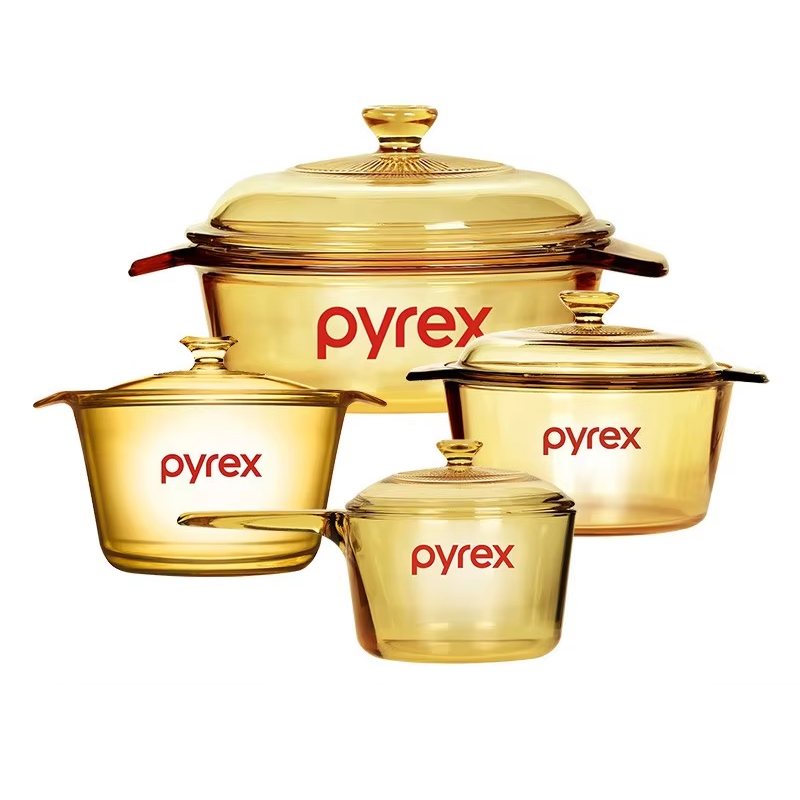
Special glass ceramic material: Corning pots use alkali-free aluminum silicon glass (microcrystalline glass). Through chemical strengthening treatment, the stress value is as high as 600MPa, the stress layer depth exceeds 40μm (5 times that of ordinary glass), and has a nearly zero expansion coefficient36. This material was originally used in the aerospace field (such as high-temperature resistant parts of the rocket head), and the cost is much higher than ordinary glass26.
Resistant to extreme temperature differences: It can withstand instantaneous temperature differences of -30℃ to 800℃ (for example, it can be taken out of the refrigerator and directly put on an open flame, or a boiling water pot can be immersed in ice water without cracking), while ordinary glass pots may crack if the temperature difference exceeds 100℃179.
High hardness and wear resistance: The same technology as Corning mobile phone "Gorilla Glass" has stronger scratch and impact resistance16.
2. Versatility and safety design
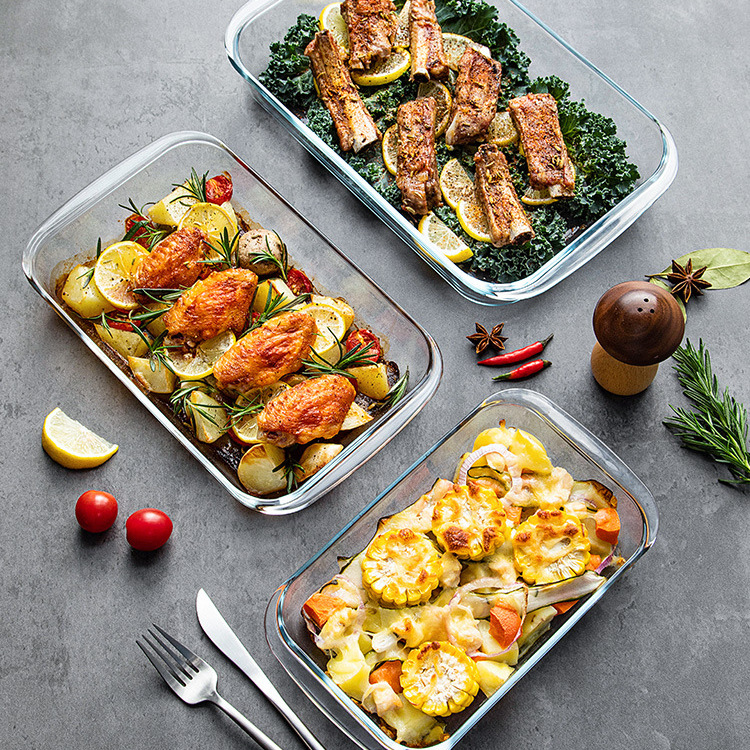
Applicable to all scenarios: compatible with open flames, electric ceramic stoves, ovens, microwave ovens, dishwashers (ordinary glass pots are only used in some scenarios)37.
Health and safety: The glass material is uncoated, does not react chemically with food, has no risk of heavy metal precipitation, and meets food-grade safety standards39.
Energy saving and heat lock: Excellent heat gathering performance, medium and low heat can maintain boiling after boiling, saving energy38.
️ 3. Durability and warranty policy
Extra-long warranty: The pot body provides a 10-year warranty, and the pot lid is 2 years (non-human damage such as freezing and burning can be replaced free of charge), reflecting the brand's confidence in durability169.
Strong wear resistance: There are no pores on the surface, no residual odor or pigment, and it is not easy to age and scratch after long-term use37.
⚠️ 4. Usage limitations and premium factors
Not suitable for induction cookers: Due to non-ferromagnetic materials, eddy current heating cannot be generated, and other stoves must be used39.
Limited frying performance: User feedback shows that frying food is easy to stick to the pan (especially protein ingredients), and is more suitable for stewing and making soup410.
Weight and operational risks: The pot is heavy (2.25L is about 2.8kg), which is inconvenient to carry, and it needs to avoid bumps and collisions other than sudden cooling and heating. 910.
5. Brand premium and market positioning
Technology endorsement: As a giant in aerospace and electronic glass (such as the supplier of iPhone screens), Corning's consumer products have a technological halo16.
Design added value: Details such as diamond-ribbed pot body and non-slip pot lid enhance the beauty and practicality, and are positioned as mid-to-high-end kitchen supplies78.
Summary: The high price of Corning pots is essentially a comprehensive reflection of special materials + military-grade performance + cross-scenario functions. For users who pursue healthy stewing, visual cooking and durability of kitchen utensils, its cost is still cost-effective when spread over a 10-year use cycle; but if high-frequency frying is required or the budget is limited, the combination of ordinary pots + casseroles may be more practical4910.
If you are looking for a cheaper alternative, you can pay attention to domestically produced high-borosilicate glass pots (temperature resistance of about 400°C), but you need to pay attention to the differences in temperature difference tolerance and warranty terms.


 30May 2025
0Comments
589Views
30May 2025
0Comments
589Views