In the realm of barware, few items are as instantly recognizable and universally used as the shot glass. Despite its small size, the shot glass holds a significant place in the cultures, social interactions, and drinking traditions of countless communities around the world. This diminutive vessel, designed to measure and serve small, potent servings of liquor, carries with it a rich history, diverse cultural significance, and a multitude of practical and decorative variations.
Historical OriginsThe exact origin of the shot glass is somewhat shrouded in mystery, but its roots can be traced back centuries. One theory suggests that the concept of small, measured servings of alcohol dates to ancient civilizations. In medieval Europe, small cups and glasses were used to serve spirits, often as a medicinal tonic. However, the modern - day shot glass as we know it began to take shape in the 18th and 19th centuries.
During the era of the American Old West, whiskey was a popular drink among cowboys, miners, and settlers. Saloons became central social hubs, and the need for a standardized way to serve liquor led to the emergence of the shot glass. These early shot glasses were often simple, utilitarian vessels, made of glass or metal, and designed to hold a single "shot" of liquor, typically around 1.5 fluid ounces. This measurement was practical as it provided a consistent serving size, making it easier for bartenders to manage inventory and for patrons to know how much they were consuming.
In other parts of the world, similar small - serving vessels were also evolving. In Russia, the vodka - loving nation, small glasses for serving vodka have a long - standing tradition. Vodka is an integral part of Russian culture, and the way it is served, often in small, elegant glasses, reflects the importance of the drink in social and ceremonial occasions.
 Cultural Significance
Shot glasses play a crucial role in various cultural and social rituals. In the United States, shots are commonly associated with celebrations, parties, and social gatherings. Whether it's New Year's Eve, a birthday party, or a night out with friends, taking a shot of liquor has become a way to mark special moments, bond with others, and add a sense of excitement to the occasion. Shots are often consumed quickly, which creates a shared experience among those participating.
In many European countries, while the concept of taking a "shot" exists, the cultural approach may differ. In Spain, for example, bars may serve small measures of spirits like anisette or aguardiente in glasses that are similar in size to shot glasses. These small servings are often enjoyed as an accompaniment to tapas, adding a flavorful element to the dining experience.
In Asian cultures, shot - like servings also have their place. In Japan, sake is sometimes served in small cups, which can be seen as a form of measured servings similar to shots. Sake ceremonies, which are steeped in tradition, involve the careful pouring and drinking of sake from these small vessels, emphasizing respect, mindfulness, and the appreciation of the beverage's nuances.
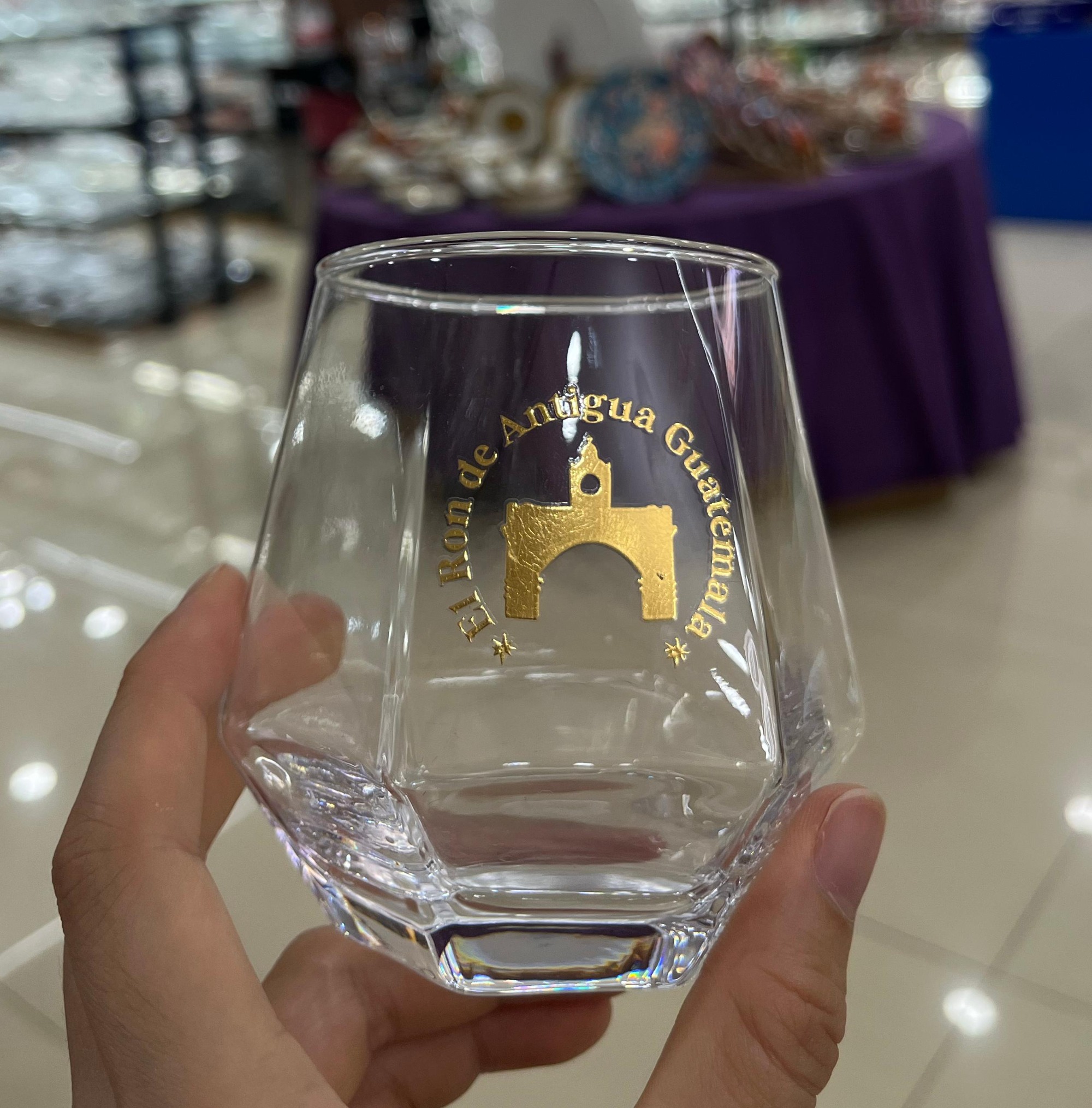
Shot glasses also serve as souvenirs and collectibles. Tourists often purchase shot glasses as mementos of their travels. These shot glasses are usually adorned with the names of cities, countries, or iconic landmarks, making them a popular item for collectors. Some people even build extensive collections of shot glasses from all over the world, each one representing a different place and memory.
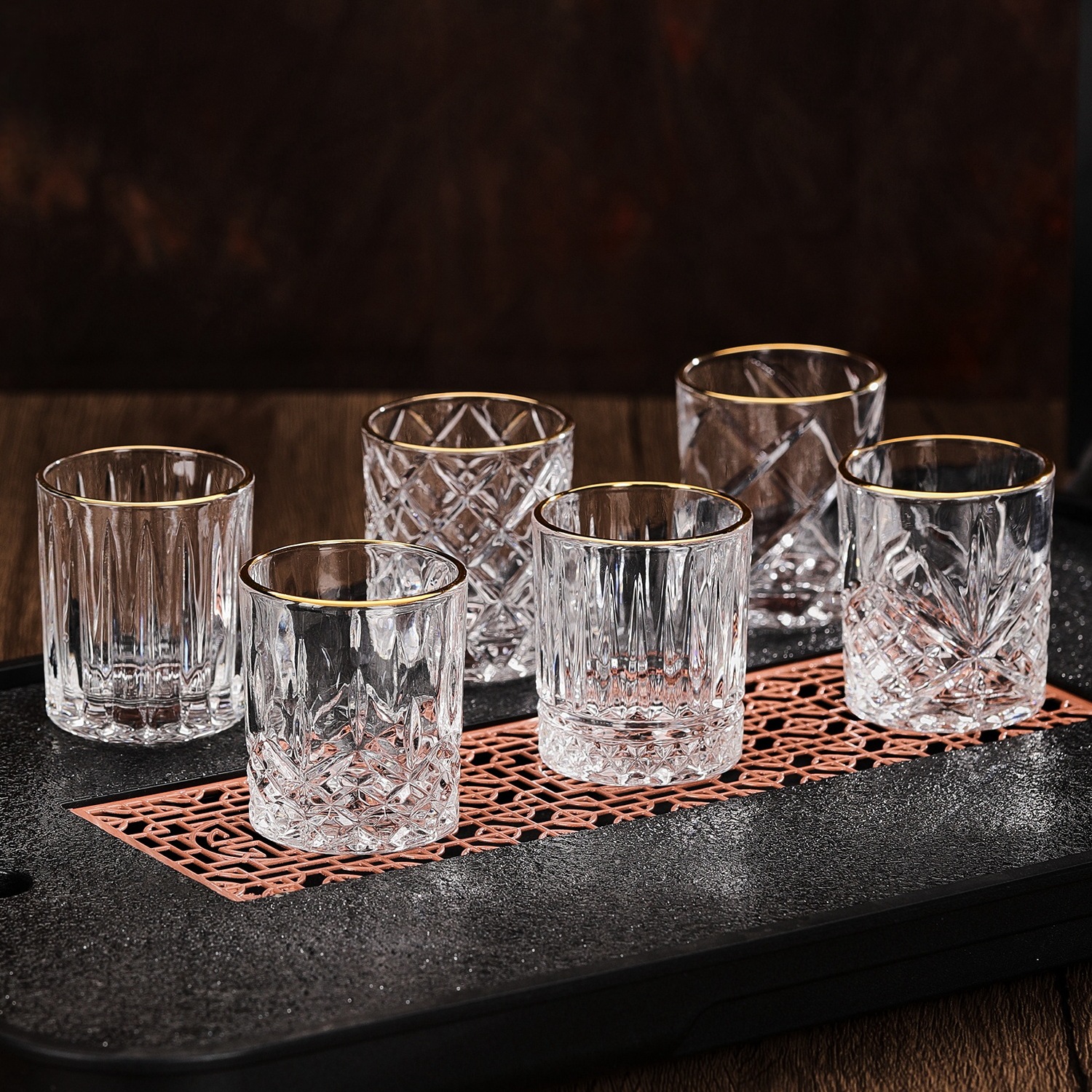
Design and VariationsShot glasses come in an astonishing array of designs, materials, and shapes. Traditional shot glasses are typically cylindrical, with a flat base and straight sides. However, there are countless variations on this classic design. Some shot glasses are tapered at the top or bottom, while others may have a bulbous shape in the middle.
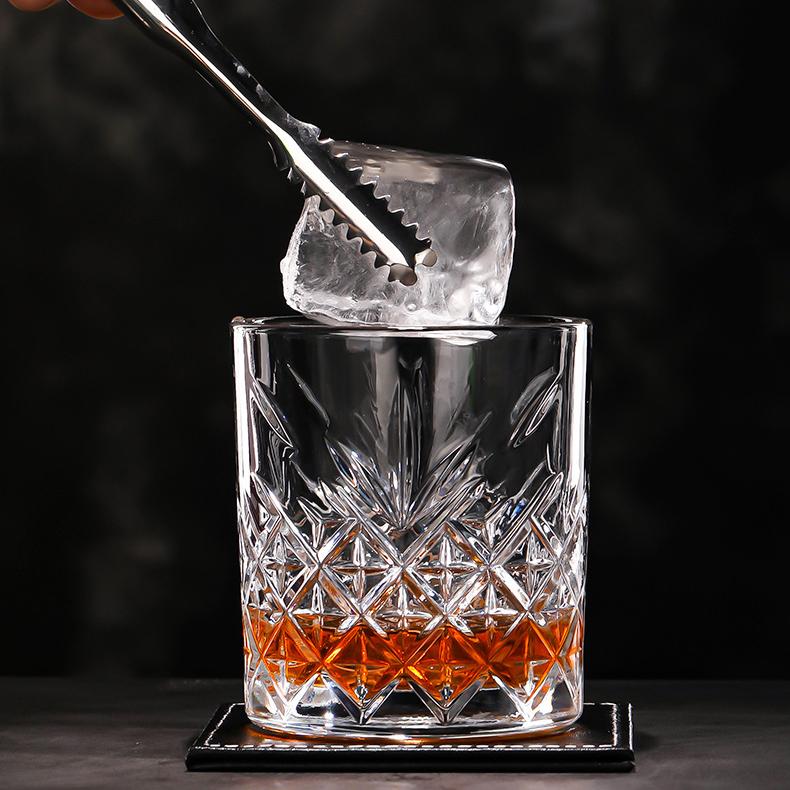
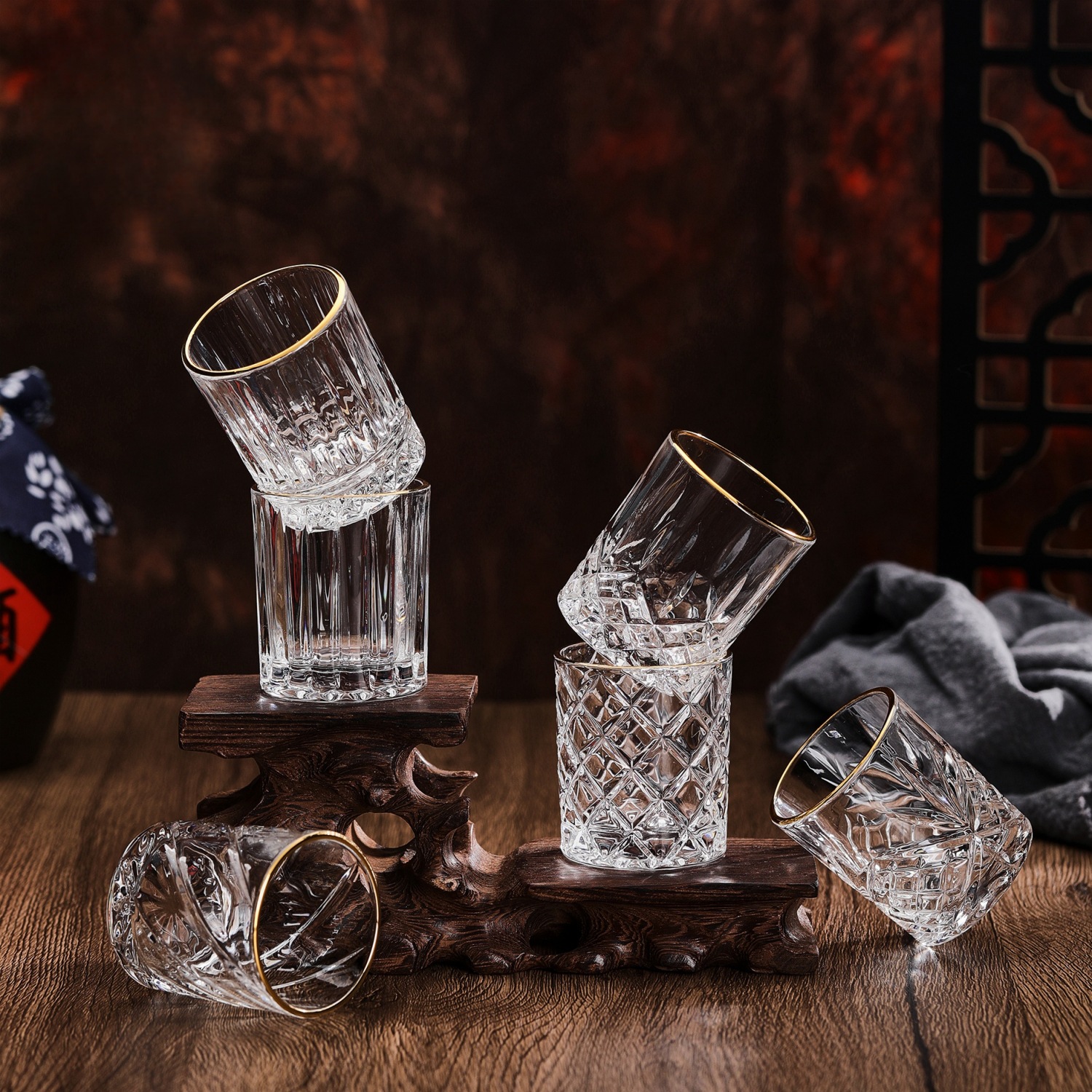
Materials used in shot - glass production are diverse. Glass is the most common material, prized for its clarity, allowing drinkers to appreciate the color of the liquor. Crystal shot glasses offer a more luxurious option, with their enhanced clarity and sparkle. Metal shot glasses, such as those made of stainless steel or pewter, are durable and can add a rustic or elegant touch depending on the design. There are also shot glasses made from ceramic, plastic, and even wood, each with its own aesthetic and practical advantages.
Decoration is another area where shot glasses truly shine. They can be adorned with intricate etchings, colorful paintings, or embossed designs. Some shot glasses feature logos of popular brands, sports teams, or cultural symbols. There are also novelty shot glasses that take on unique shapes, such as animals, fruits, or objects, adding an element of fun and surprise to the drinking experience.
Practical Use and BartendingIn the world of bartending, shot glasses are essential tools. They are used to measure spirits accurately, ensuring that each drink is consistent in flavor and alcohol content. Bartenders rely on shot glasses to create balanced cocktails, as the precise measurement of ingredients is crucial for a well - crafted drink.
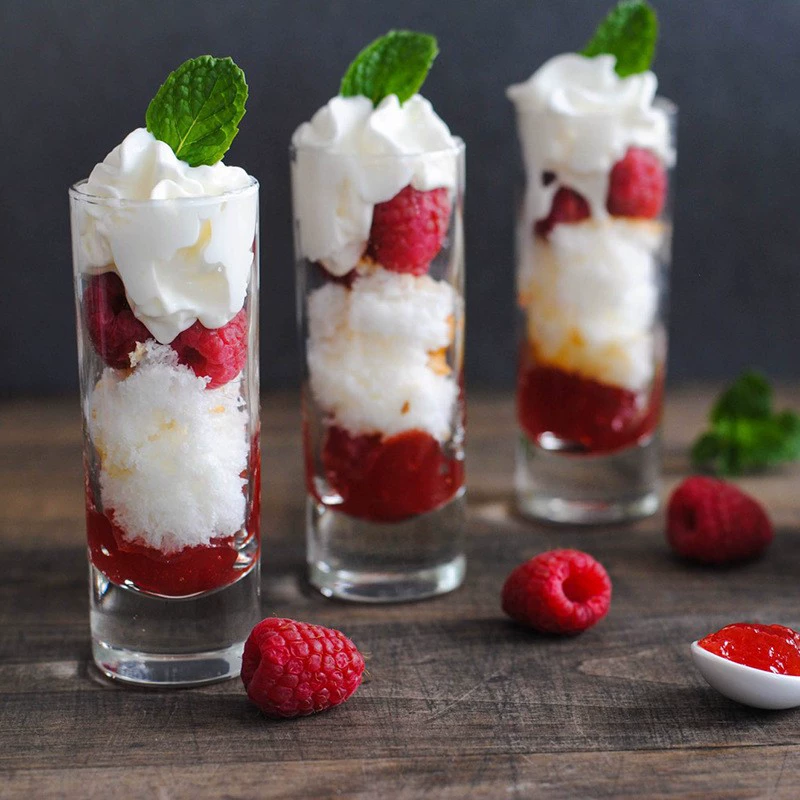
Shot glasses are also used for serving specialty drinks known as "shots." These can range from simple, single - spirit shots to complex, multi - ingredient concoctions. Some popular shots, like the Kamikaze, B52, or Jägerbomb, have become iconic in the bar scene. The presentation of shots is often just as important as the taste. Bartenders may use elaborate garnishes, layer different liquors to create visually appealing effects, or serve shots in unique vessels to enhance the overall experience for the customer.
 The Future of Shot Glasses
As drinking cultures continue to evolve, so too will the shot glass. With the growing popularity of craft spirits and mixology, there is an increasing demand for high - quality, stylish shot glasses that can showcase the artistry of the drinks being served. Additionally, the trend towards eco - friendly and sustainable products may lead to the development of shot glasses made from recycled or biodegradable materials.
In the digital age,
shot glasses may also find new forms of expression. There could be augmented reality - enabled shot glasses that provide information about the liquor being served, or interactive shot glasses that enhance the social experience of drinking with friends. The small but mighty shot glass, with its long - standing history and adaptability, will undoubtedly continue to be a beloved and essential part of the drinking world for generations to come.
In conclusion, the shot glass is much more than just a small container for liquor. It is a vessel that encapsulates history, culture, art, and social interaction. From its humble beginnings in the Old West saloons to its current status as a versatile and collectible item, the shot glass has left an indelible mark on the way we enjoy and celebrate alcoholic beverages. Its ability to adapt to changing times and cultural preferences ensures that it will remain a fascinating and integral part of our lives.


 27June 2025
0Comments
814Views
27June 2025
0Comments
814Views