17July 2025
0Comments
600Views
17July 2025
0Comments
600Views
In the world of fine dining and beverage enjoyment, the choice of glassware can significantly impact the overall experience. Goblets and wine glasses, though both used for drinking, have distinct characteristics that set them apart. Understanding these differences not only enriches our knowledge of tableware but also enhances our appreciation of the beverages we consume.
Goblets typically feature a deep and wide bowl. This design allows for a generous volume of liquid, making them suitable for serving various beverages, with water being a common choice. The wide rim of a goblet gives it a substantial and sturdy appearance. Historically, goblets have been used in formal settings and feasts, and their wide bowls were practical for holding larger quantities of drinks. They often have a more rounded and less tapered profile compared to wine glasses. Some goblets may even have a somewhat flared shape at the top of the bowl, which can add to their aesthetic appeal and make them easier to grasp. The overall shape of a goblet is designed to be both functional and visually appealing, with a focus on being able to hold a significant amount of liquid comfortably.
Wine glasses, on the other hand, come in a remarkable variety of shapes, each tailored to a specific type of wine. For red wines, the glasses usually have larger bowls. This design serves a crucial purpose: it allows the wine to aerate. When red wine is exposed to air, it can oxidize, which in turn enhances its flavor and releases its complex aromas. For example, a Cabernet Sauvignon, known for its bold tannins and rich fruit flavors, benefits from the large bowl of a red wine glass. As the wine swirls in the glass, more surface area is exposed to the air, softening the tannins and bringing out the full spectrum of its bouquet.
White wine glasses, in contrast, have smaller and more slender bowls. Since white wines are generally served cooler than red wines and have more delicate flavors and aromas, a smaller bowl helps to concentrate these nuances. The narrower shape also helps to preserve the lower temperature of the white wine for a longer time. A Chardonnay, whether oaked or unoaked, with its floral, citrus, and sometimes buttery notes, is best enjoyed from a white wine glass that keeps its fresh and delicate qualities intact.
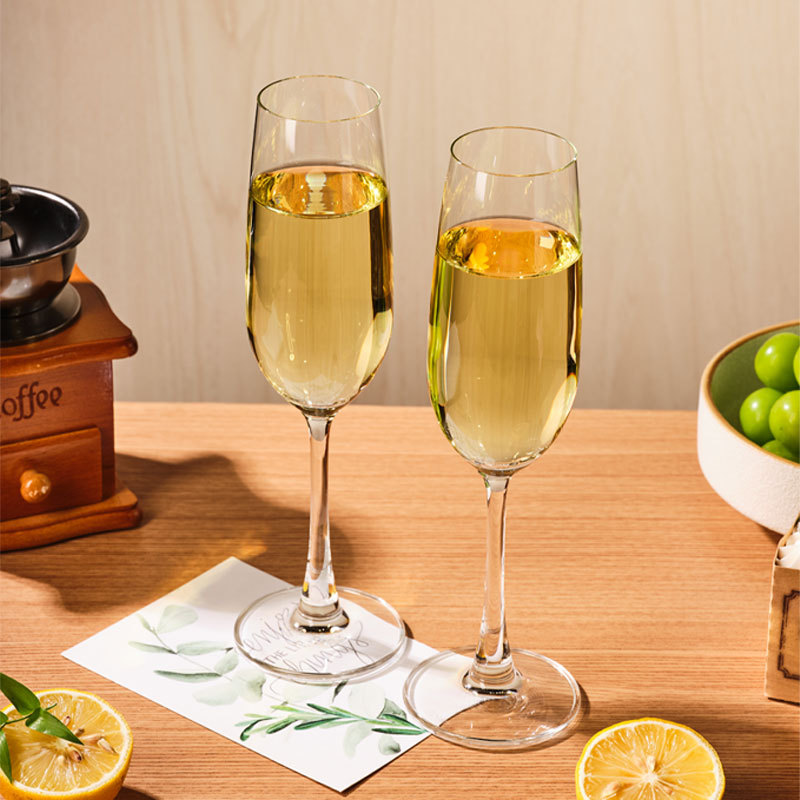
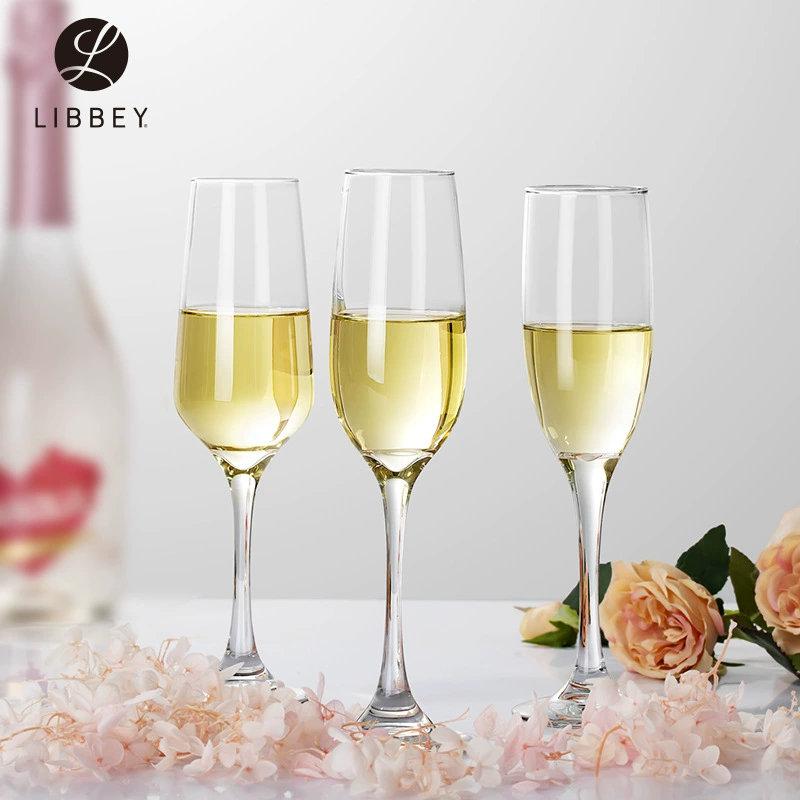
Champagne flutes are another distinct type of wine glass. They have long, narrow stems and slender bowls. The narrow bowl is designed to showcase the effervescence of champagne. The bubbles in champagne rise gracefully through the narrow space, creating an elegant visual display. Additionally, the long stem allows the drinker to hold the glass without warming the champagne, which is important as the ideal serving temperature for champagne is relatively low.
Goblets usually have shorter stems. The shorter stem provides better stability, making them less likely to tip over. This is practical when the goblet is filled with a significant amount of liquid, such as water. In a bustling dining environment or during a lively gathering, the shorter stem of a goblet offers a more secure hold. It also makes it easier for people to handle the goblet with one hand, as the center of gravity is closer to the hand. The shorter stem may also contribute to the more robust and grounded appearance of the goblet, which aligns with its traditional use in serving a variety of beverages in both formal and informal settings.
Wine glasses, especially those for red and white wines, typically have longer stems. The main reason for this is to prevent the drinker's hand from warming the wine. As mentioned earlier, the temperature of the wine can greatly affect its taste and aroma. For red wines, which are often served at a slightly lower room temperature, any additional heat from the hand can disrupt the delicate balance of flavors. By holding the wine glass by the long stem, the drinker can avoid transferring body heat to the wine. This allows the wine to maintain its optimal temperature for a longer period, ensuring that each sip is as the winemaker intended. In the case of white wines and champagne, which are served chilled, the long stem is even more crucial in preventing the wine from warming up too quickly.
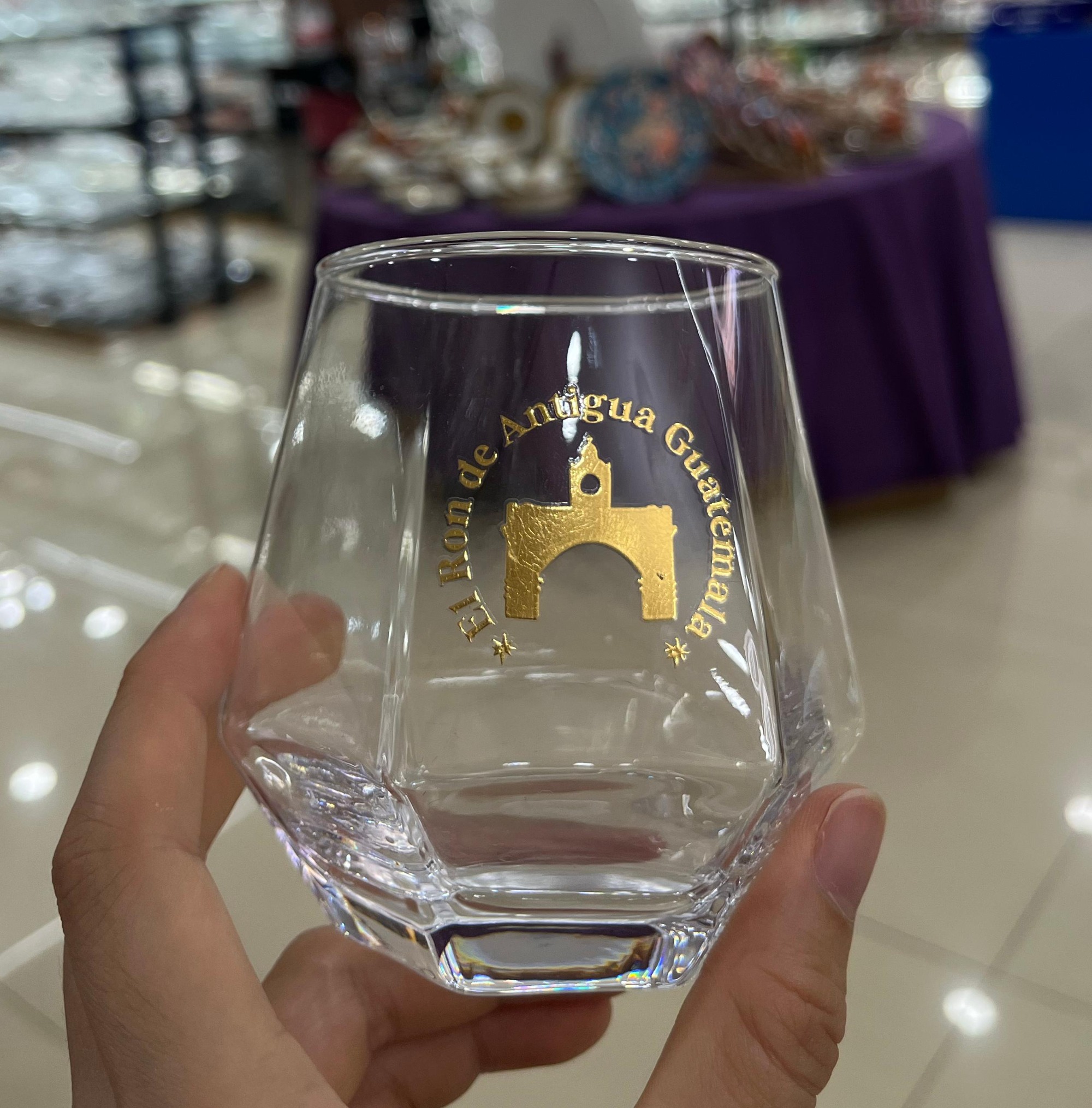
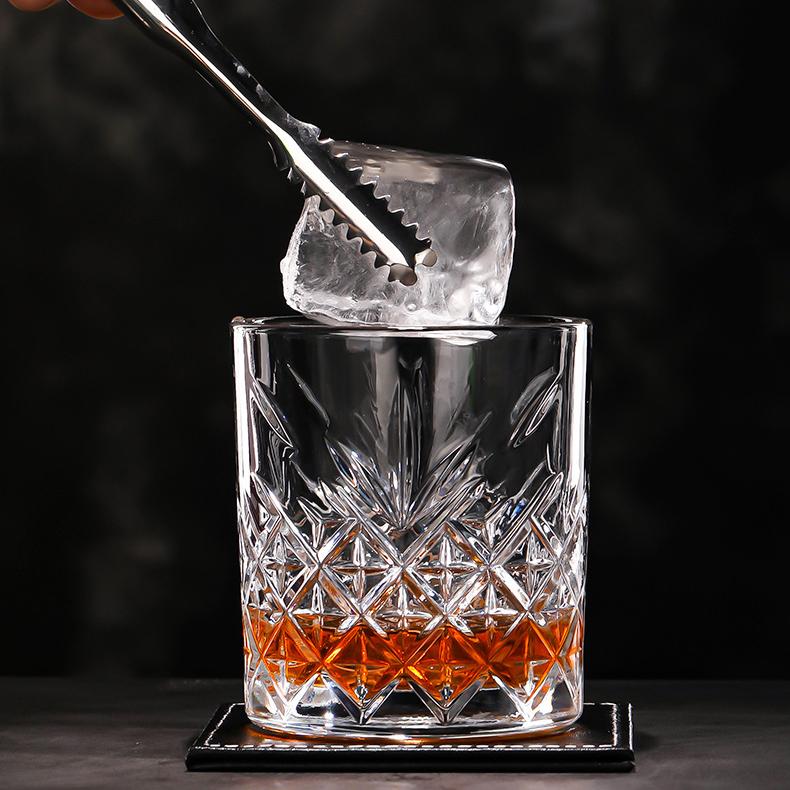
Goblets are often adorned with decorative elements. They may have textured surfaces, intricate engravings, or ornate patterns on the bowl and stem. These decorations can range from simple geometric designs to elaborate floral motifs. In the past, goblets were sometimes made of precious metals like silver or gold and were highly decorated, symbolizing wealth and status. Even today, glass goblets can be found with beautiful etchings that add a touch of luxury and artistry. The decorative aspect of goblets makes them not only functional drinking vessels but also decorative items that can enhance the visual appeal of a table setting. They are often used in formal banquets, weddings, and other special occasions where an elegant and grand atmosphere is desired.
Wine glasses, in general, tend to be more understated in their decoration. They are typically colorless, plain, and clear. The focus of a wine glass is on allowing the drinker to appreciate the color, clarity, and viscosity of the wine. The transparency of the glass is crucial as it enables the viewer to assess the quality of the wine. For example, a young red wine may have a vibrant purple hue, while an aged red wine may show signs of browning at the edges. These visual cues are important for wine enthusiasts and sommeliers in determining the wine's age, origin, and potential flavor profile. A simple and unadorned wine glass allows these characteristics of the wine to take center stage without any distractions from elaborate decorations.
Since goblets are commonly used for serving water, they are not designed to have a significant impact on the taste or aroma of the liquid. Their main function is to hold the water in a convenient and aesthetically pleasing manner. However, in some cases, if the goblet is made of certain materials, such as metal, it could potentially affect the temperature of the water slightly. But overall, compared to the specific design features of wine glasses for enhancing wine, goblets do not have a targeted effect on the properties of the water they hold.
Wine glasses are meticulously designed to enhance the flavor and aroma of wine. As previously discussed, the shape of the glass plays a vital role in this. The way the wine is directed onto the tongue can influence the perception of its taste. For instance, a red wine glass with a wider rim may direct the wine towards the sides and back of the tongue, where the taste buds for bitterness and tannins are more sensitive. This can help to balance the bold flavors of a full - bodied red wine. In contrast, a white wine glass with a narrower rim may direct the wine more towards the front of the tongue, where the taste buds for sweetness and acidity are more concentrated, highlighting the fresh and acidic qualities of white wines. The shape of the glass also affects the way the wine's aromas are concentrated and released, enhancing the overall sensory experience of drinking wine.
Goblets are more versatile in their usage. While they are often associated with serving water, they can also be used for other non - alcoholic beverages or even for certain types of wines in less formal settings. In some cultures, goblets are used in traditional ceremonies or to serve festive drinks. They are suitable for both indoor and outdoor events, adding a touch of rustic charm in outdoor gatherings and an air of formality in indoor banquets. For example, at a medieval - themed feast, goblets filled with mead or cider would be a fitting choice, enhancing the overall atmosphere of the event.
Wine glasses are specifically designed for the consumption of wine. They are an essential part of wine tasting events, fine dining restaurants, and wine - related celebrations. Using the appropriate wine glass for a particular type of wine is considered a sign of sophistication and knowledge in the world of wine. In a professional wine tasting, a sommelier will carefully select the right glass for each wine being presented to ensure that the participants can fully appreciate the wine's qualities. Even in a home setting, using the correct wine glass can elevate the experience of enjoying a bottle of wine with dinner.
In conclusion, goblets and wine glasses have distinct differences in shape, stem length, decorations, effect on the liquid, and usage. These differences are not merely cosmetic but are deeply rooted in their intended functions and the overall experience they aim to provide. Whether it's the grandeur of a decorated goblet filled with water at a formal event or the elegance of a perfectly shaped wine glass enhancing the flavors of a fine vintage, both goblets and wine glasses play important roles in the world of dining and beverage enjoyment.









Guangzhou HeXie Glass Co., Ltd.
Address: No. 22, Building 53, Haotai Hotel Supplies Expo City, Yingbin Road, Luopu Street, Panyu District, Guangzhou
Tel: +86-18011970645
Email: info@hexieglass.com
https://www.hexieglass.com