Glass mugs have long been cherished for their transparency, versatility, and ability to showcase beverages in their purest form. However, not all glass mugs are created equal—their performance, durability, and suitability for different uses depend largely on the type of glass material used. From everyday drinking to special occasions, understanding the various glass materials helps consumers make informed choices that align with their needs. This article delves into the most common glass materials for mugs, exploring their compositions, characteristics, advantages, and practical applications.
The most widely used material for glass mugs is soda-lime glass, accounting for over 90% of consumer glass products worldwide. Composed of silica (sand), soda ash, and limestone, this material is valued for its affordability and ease of production. Soda-lime glass mugs are lightweight, clear, and ideal for daily use, as they can be mass-produced at a low cost. However, they have limitations: their thermal shock resistance is relatively poor, meaning sudden temperature changes (such as pouring boiling water into a cold mug) can cause cracking. To mitigate this, many soda-lime glass mugs are tempered—a process of heating and rapid cooling that strengthens the glass, making it more resistant to breakage and thermal stress. Tempered soda-lime glass mugs are commonly found in households, cafes, and restaurants, balancing accessibility with basic durability.
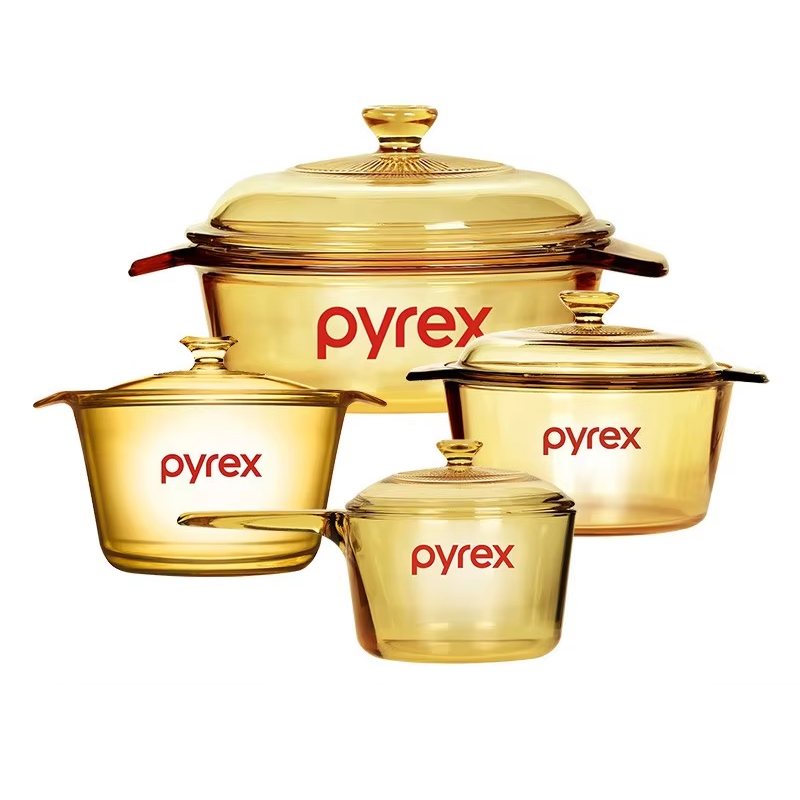
For those seeking higher durability and thermal performance, borosilicate glass is a premium choice. This material is formulated with silica and boron oxide, which reduces its coefficient of thermal expansion significantly—about one-third that of soda-lime glass. This exceptional thermal shock resistance allows borosilicate glass mugs to withstand extreme temperature changes: they can go from the freezer to a microwave or stovetop without cracking. Additionally, borosilicate glass is chemically stable, non-porous, and does not leach harmful substances into beverages, making it a safe option for hot drinks like coffee, tea, or broth. Its clarity is also superior, preserving the color and texture of drinks. While more expensive than soda-lime glass, borosilicate glass mugs are favored by culinary enthusiasts, professionals, and anyone prioritizing longevity and versatility.
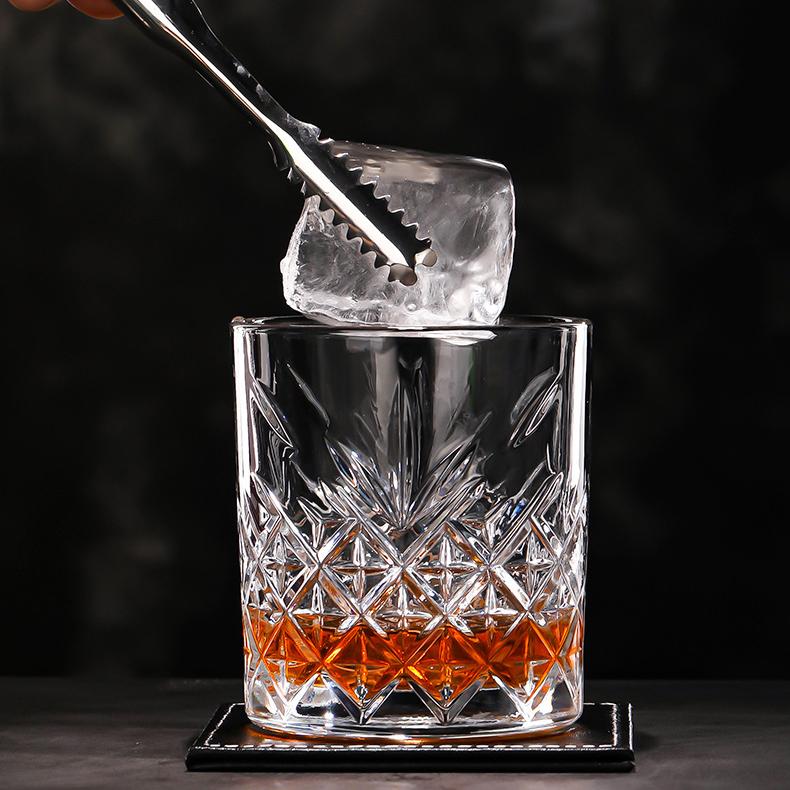
Another notable material is crystal glass, though technically a type of glass enhanced with lead or lead-free alternatives like zinc or titanium. Traditional crystal glass contains 24-30% lead oxide, which increases its refractive index and density, giving it a brilliant sparkle, smooth texture, and resonant sound when tapped. Crystal glass mugs are often used for special occasions, such as wine tastings or formal dinners, as they elevate the drinking experience with their elegance. However, leaded crystal is not suitable for hot beverages or long-term storage of acidic drinks, as lead can leach into the liquid. To address safety concerns, lead-free crystal glass has become increasingly popular—it retains the aesthetic appeal of traditional crystal while eliminating lead content, making it safer for everyday use. Crystal glass mugs are heavier than soda-lime or borosilicate options and require gentle handling to avoid scratches or breakage.
In recent years, recycled glass has emerged as an eco-friendly alternative for glass mugs. Made from post-consumer glass waste (such as bottles and jars) that is crushed, melted, and reshaped, recycled glass reduces energy consumption and landfill waste. Recycled glass mugs often have a slightly textured or tinted appearance due to impurities in the raw material, giving them a unique, rustic charm. They share similar properties to soda-lime glass—affordable, lightweight, and suitable for cold or moderately hot drinks—but may be less durable than tempered or borosilicate varieties. For environmentally conscious consumers, recycled glass mugs offer a sustainable choice without compromising on functionality.
When selecting a glass mug, several factors come into play: intended use (everyday drinking, special occasions, or outdoor activities), budget, durability needs, and safety preferences. Soda-lime glass mugs are ideal for casual use on a budget, while borosilicate glass is perfect for those who frequently use microwaves or stovetops. Crystal glass adds a touch of luxury for formal events, and recycled glass caters to eco-friendly shoppers. Regardless of the material, proper care—avoiding extreme temperature shocks, hand-washing delicate varieties, and storing mugs to prevent scratches—can extend their lifespan.
In conclusion, the material of a glass mug defines its performance, aesthetics, and purpose. From the affordable and ubiquitous soda-lime glass to the durable borosilicate, elegant crystal, and sustainable recycled glass, each material offers distinct advantages to suit different lifestyles and needs. By understanding the properties of these materials, consumers can choose glass mugs that not only enhance their drinking experience but also align with their values—whether that be affordability, durability, luxury, or environmental responsibility. As glassmaking technology advances, we can expect even more innovative and sustainable materials to shape the future of glass mugs, combining functionality with conscious design.