18August 2025
0Comments
1109Views
18August 2025
0Comments
1109Views
In the realm of drinkware, tempered glass cups have emerged as a superior choice for both everyday use and special occasions, offering a unique blend of durability, safety, and functionality that sets them apart from regular glassware. Tempered glass, also known as toughened glass, undergoes a specialized heat treatment process that transforms ordinary glass into a material with enhanced properties. This process involves heating the glass to extreme temperatures (around 620°C) and then rapidly cooling it, creating a surface that is much stronger and more resilient. As a result, tempered glass cups have become a staple in homes, restaurants, and cafes worldwide. This article explores the key benefits of tempered glass cups, highlighting why they are a worthwhile investment for anyone prioritizing safety, longevity, and practicality.
One of the most significant advantages of tempered glass cups is their remarkable strength. Compared to regular glass, tempered glass is approximately four to five times stronger, making it highly resistant to impact and daily wear and tear. This strength is a direct result of the tempering process, which creates compressive stress on the glass surface and tensile stress in the core. This internal tension allows the glass to absorb more force without shattering, making it ideal for busy households with children, clumsy adults, or high-traffic environments like kitchens and dining areas.
In practical terms, this means a tempered glass cup is far less likely to break if accidentally knocked off a table, dropped on a hard floor, or hit against other dishes. While no glass is entirely unbreakable, tempered glass can withstand much more abuse than its non-tempered counterpart. For example, a regular glass cup might shatter into sharp shards if it slips from your hand and hits a tile floor, but a tempered glass cup is more likely to remain intact or, in extreme cases, break into smaller, less dangerous pieces. This resistance to breakage not only reduces the frequency of replacements but also minimizes the risk of accidents in homes where safety is a top priority.
Safety is a paramount concern when it comes to glassware, and tempered glass cups excel in this area. When regular glass breaks, it typically shatters into large, sharp, jagged pieces that can cause deep cuts and serious injuries. Tempered glass, however, behaves differently when it does break. Due to its unique internal structure, it fractures into small, rounded, pebble-like fragments with minimal sharp edges. These pieces are far less likely to cause severe harm, making tempered glass cups a safer choice for families with young children, pets, or anyone prone to accidents.
This safety feature is not just a convenience but a critical advantage in settings where glass breakage is a common risk. Restaurants, for instance, often use tempered glassware to reduce the likelihood of injuries to staff and customers. Similarly, in households, using tempered glass cups for daily drinks—whether hot coffee, cold juice, or children’s beverages—provides peace of mind, knowing that even if a cup breaks, the risk of cuts is significantly reduced. This focus on safety has made tempered glass a preferred material for products like car windows, shower doors, and, of course, drinkware, where durability and user protection are essential.
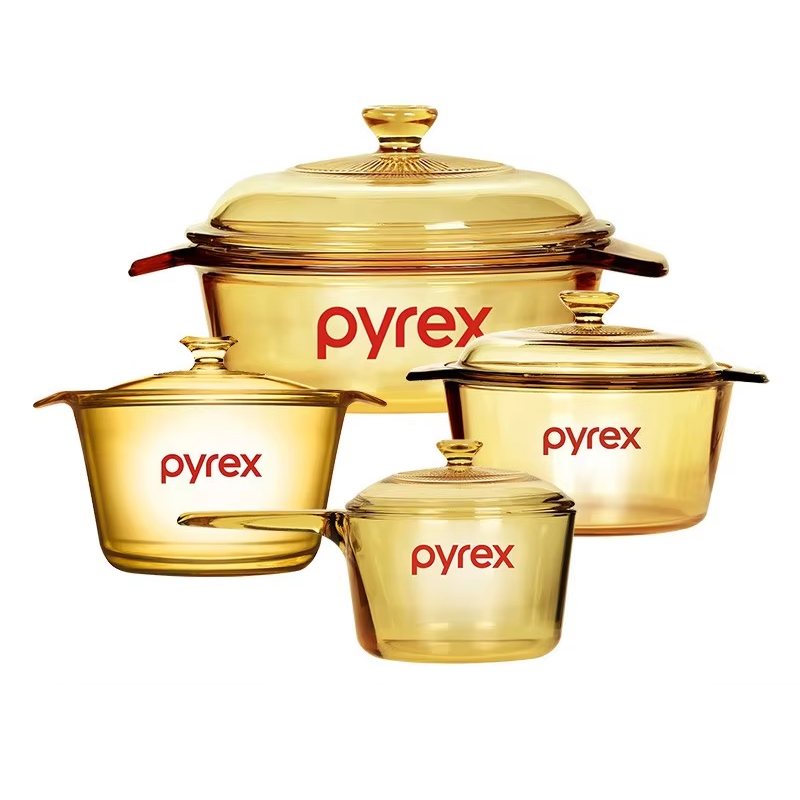
Tempered glass cups are designed to withstand extreme temperature changes, a feature that regular glass simply cannot match. This heat resistance makes them versatile enough to handle both hot and cold beverages without cracking or breaking. For example, you can pour boiling water into a tempered glass cup to make tea or coffee, then immediately place it in the refrigerator to cool down leftover soup—all without worrying about thermal shock.
Regular glass, on the other hand, is prone to shattering when exposed to sudden temperature fluctuations. This is because non-tempered glass expands and contracts unevenly when heated or cooled, creating internal stress that can lead to cracks or complete breakage. Tempered glass, with its uniform structure and enhanced strength, minimizes this risk. Its ability to handle high temperatures also makes it suitable for use in microwaves, although it is always advisable to check the manufacturer’s instructions, as some tempered glass products may have limitations based on their design or additional features like lids.
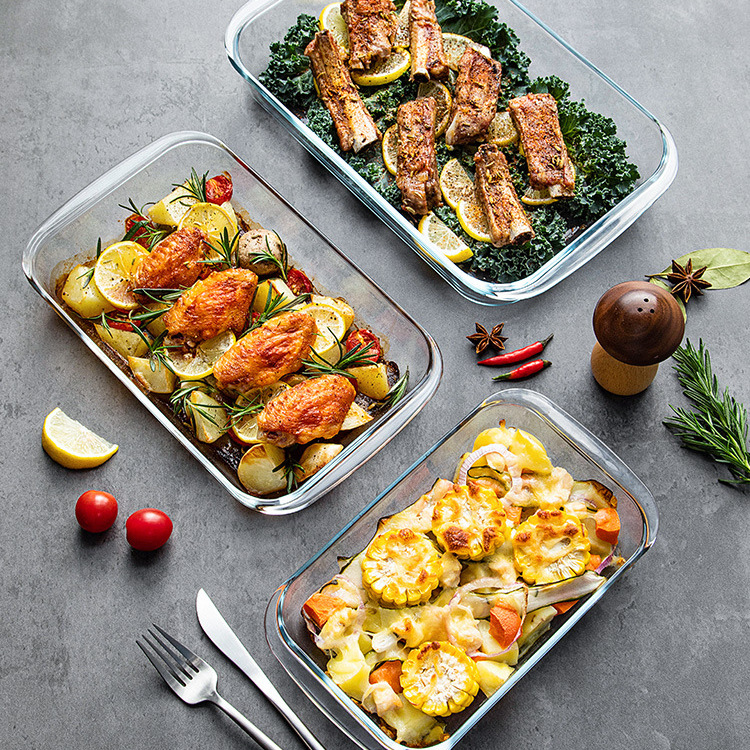
This heat resistance extends the functionality of tempered glass cups beyond just drinking vessels. They can be used to serve hot soups, oatmeal, or even small portions of baked goods, adding to their versatility in the kitchen. Whether you’re enjoying a steaming cup of cocoa on a cold day or a chilled smoothie on a hot afternoon, tempered glass cups can handle the temperature with ease.
While tempered glass cups may have a slightly higher upfront cost than regular glassware, their longevity makes them a more cost-effective choice in the long run. Due to their strength and resistance to breakage, tempered glass cups are less likely to need replacement, saving money over time. This durability is particularly beneficial for households that go through glassware quickly due to frequent use or accidents.
Regular glass cups, by contrast, are more prone to chipping, cracking, and shattering, requiring frequent replacements that can add up financially. For example, a set of regular glass cups might need to be replaced every year or two, while a set of tempered glass cups can last for five years or more with proper care. This extended lifespan not only reduces expenses but also minimizes waste, making tempered glass a more sustainable option.
Additionally, the durability of tempered glass makes it suitable for use in dishwashers. Unlike some delicate glassware that must be hand-washed, tempered glass cups can withstand the high temperatures and mechanical stress of dishwasher cycles without losing their strength or clarity. This convenience saves time and effort, further adding to their practical appeal.
Tempered glass cups are non-porous, meaning they do not absorb odors, stains, or bacteria. This property makes them incredibly easy to clean and maintain, ensuring that they remain hygienic even after repeated use. Unlike plastic cups, which can develop scratches that trap food particles and germs, or ceramic cups with porous glazes that may absorb flavors, tempered glass provides a smooth, non-reactive surface that resists residue buildup.
A simple wash with soap and water, either by hand or in the dishwasher, is usually sufficient to keep tempered glass cups clean and free from odors. This is especially important for households with individuals who are sensitive to strong smells or have allergies, as there is no risk of lingering food particles or bacteria affecting the taste of beverages. Whether you’re using the cup for coffee, juice, or soda, it will always taste fresh, without any residual flavors from previous uses.
The non-porous nature of tempered glass also makes it resistant to discoloration. Unlike plastic cups that may yellow over time or stain from tomato sauce or coffee, tempered glass cups retain their clarity and transparency, maintaining their aesthetic appeal for years. This makes them a great choice for those who value both functionality and a clean, modern look in their drinkware.
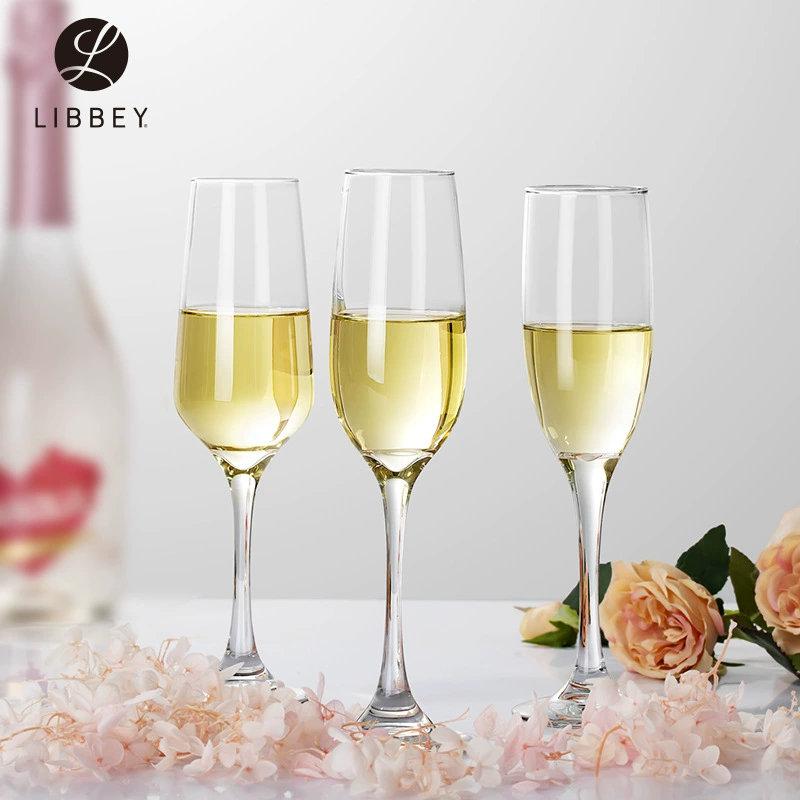
Tempered glass cups come in a wide range of designs, sizes, and styles, making them suitable for any occasion. From sleek, minimalist tumblers for everyday use to elegant stemmed glasses for wine or cocktails, there is a tempered glass option to match every taste and need. This versatility extends to their use in various settings, including homes, restaurants, offices, and outdoor gatherings.
For outdoor use, tempered glass cups are an excellent alternative to plastic or disposable cups, offering the elegance of glass without the risk of easy breakage. They are sturdy enough to withstand the bumps and drops that can occur during picnics, barbecues, or camping trips, while still providing a more sustainable and aesthetically pleasing option than single-use plastics.
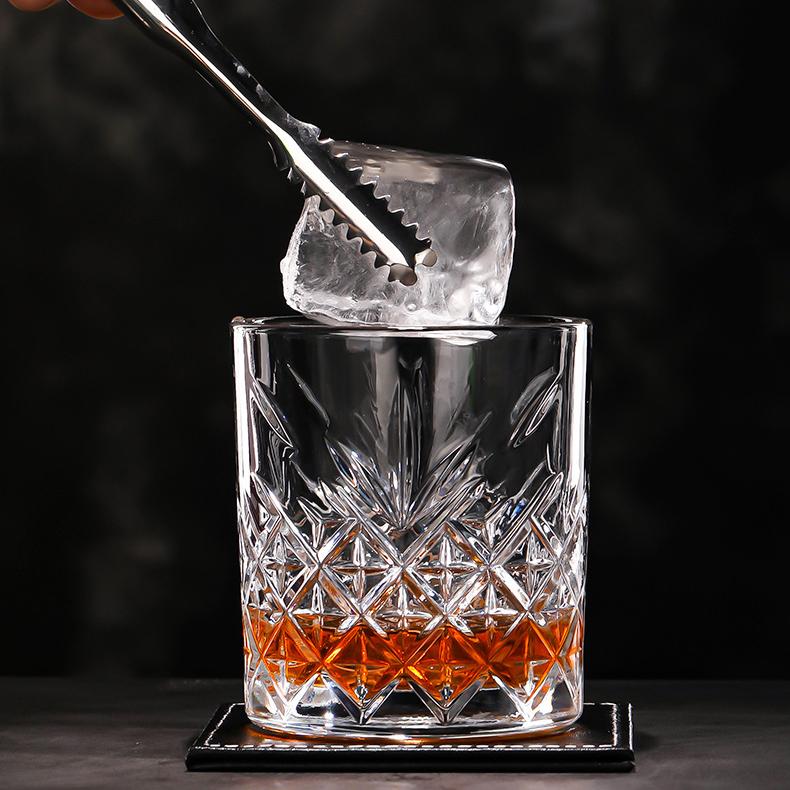
In addition to their use as drinkware, tempered glass cups can also serve as decorative pieces. Their clarity and shine make them ideal for displaying colorful beverages, such as layered cocktails or fruit-infused water, adding a touch of sophistication to any table setting. Whether used for a casual breakfast, a formal dinner party, or a backyard gathering, tempered glass cups enhance the presentation of drinks while delivering all the practical benefits of their durable construction.
Tempered glass cups offer a compelling combination of strength, safety, heat resistance, and longevity that makes them a superior choice for anyone in need of reliable drinkware. Their ability to withstand impact, temperature changes, and daily use without compromising on safety or hygiene sets them apart from regular glass and other materials like plastic or ceramic. While they may require a slightly larger initial investment, their durability and cost-effectiveness over time, coupled with their versatility in design and use, make them a wise choice for both households and commercial settings.
Whether you’re sipping a morning coffee, serving guests at a party, or enjoying a cold drink outdoors, tempered glass cups provide peace of mind, knowing that you’re using a product that is safe, durable, and easy to maintain. As more people prioritize quality, safety, and sustainability in their everyday choices, tempered glass cups continue to gain popularity as a practical and responsible option for modern living.









Guangzhou HeXie Glass Co., Ltd.
Address: No. 22, Building 53, Haotai Hotel Supplies Expo City, Yingbin Road, Luopu Street, Panyu District, Guangzhou
Tel: +86-18011970645
Email: info@hexieglass.com
https://www.hexieglass.com