In the world of tableware,
crystal glassware stands out as a pinnacle of elegance and functionality. Unlike ordinary glass, crystal glass is crafted with specific materials and manufacturing processes, endowing it with a range of unique advantages that make it a preferred choice for various occasions, from daily use to formal dining and special celebrations.
Hexieglass will delves into the multiple benefits of crystal glassware, exploring its aesthetic, practical, and cultural significance.
Unparalleled Aesthetic AppealOne of the most striking advantages of crystal glassware is its exceptional beauty. Crystal glass has a higher refractive index compared to regular glass, which means it bends and scatters light more effectively. As a result, crystal glasses exhibit a brilliant sparkle and clarity that can captivate anyone's attention. When light passes through a crystal glass, it creates a dazzling display of prismatic colors, adding a touch of luxury and sophistication to any table setting.
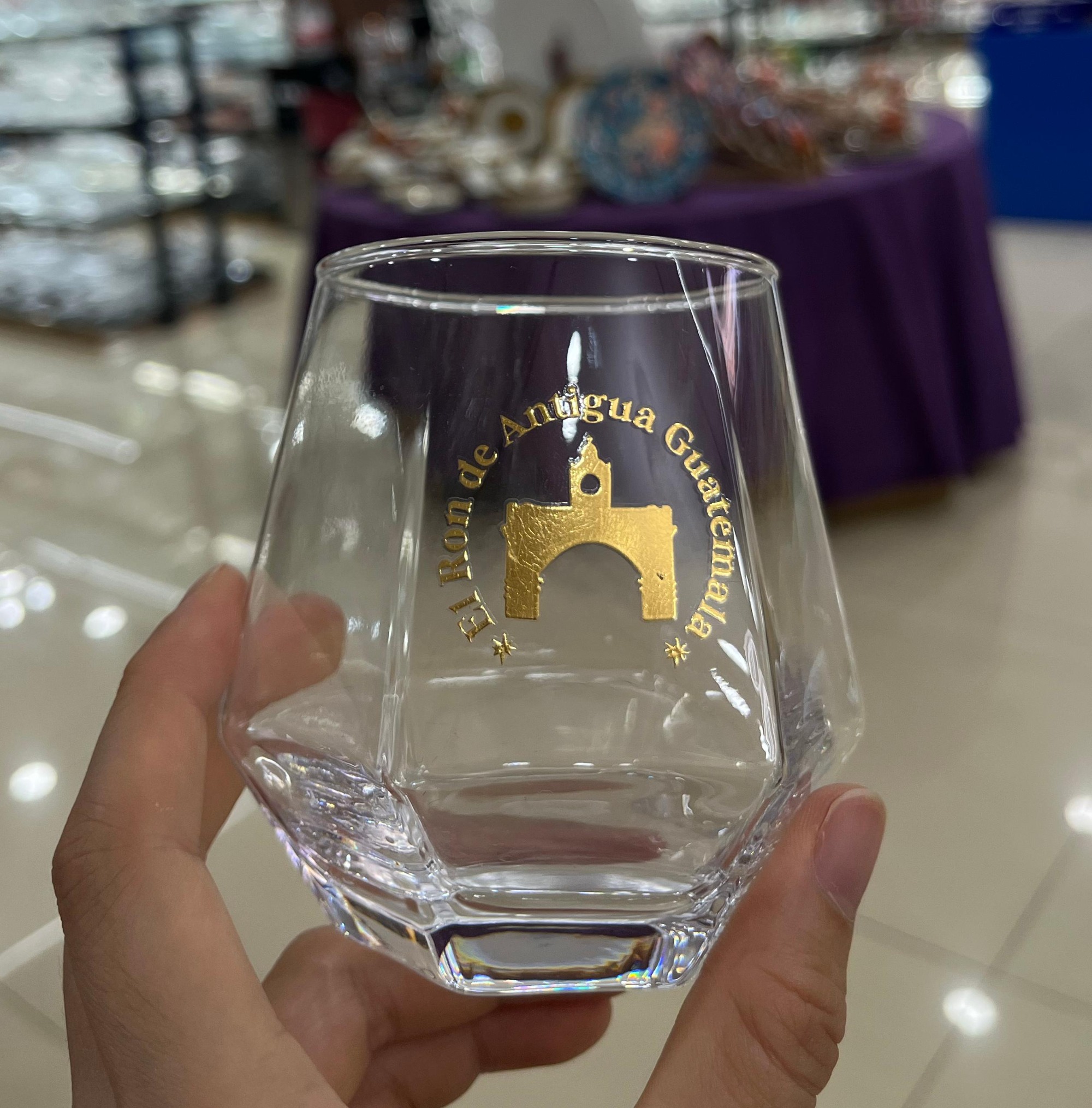
The intricate designs and patterns that can be achieved on crystal glassware further enhance its aesthetic value. Skilled artisans use techniques such as cutting, engraving, and etching to create elaborate motifs, from delicate floral patterns to bold geometric shapes. These designs not only showcase the craftsmanship but also make each piece of crystal glassware a work of art. Whether it's a simple
crystal wine glass or a complex crystal decanter, the visual appeal of crystal glassware can elevate the ambiance of a dining room or a bar, making every sip a more enjoyable experience.
In addition to its visual charm, crystal glassware also has an auditory appeal. When two crystal glasses are gently clinked together, they produce a clear, ringing sound that is both melodious and distinctive. This "ring" is often used as an indicator of high - quality crystal. The pleasant sound adds a sensory dimension to social gatherings, making toasts more memorable and special.
Superior Durability and QualityContrary to the common perception that crystal is fragile, high - quality crystal glassware is relatively durable. Crystal glass contains additives such as lead oxide (in lead crystal) or other metal oxides (in lead - free crystal), which improve its strength and resilience. Lead crystal, for example, has been used for centuries and is known for its ability to withstand normal handling and use.
The manufacturing process of crystal glassware also contributes to its quality. Crystal is often made using more precise and controlled methods compared to ordinary glass. The raw materials are carefully selected and melted at high temperatures, resulting in a more homogeneous and stable material. The shaping and finishing processes, which may involve hand - blowing, molding, or machine - pressing, are carried out with great attention to detail to ensure that each piece meets strict quality standards.
Crystal glassware is less prone to scratching and chipping compared to some types of ordinary glass. This durability makes it suitable for regular use, not just for special occasions. With proper care, crystal glasses can last for many years, maintaining their beauty and functionality over time. This long - lasting quality also makes crystal glassware a worthy investment, as it can be passed down through generations as family heirlooms.
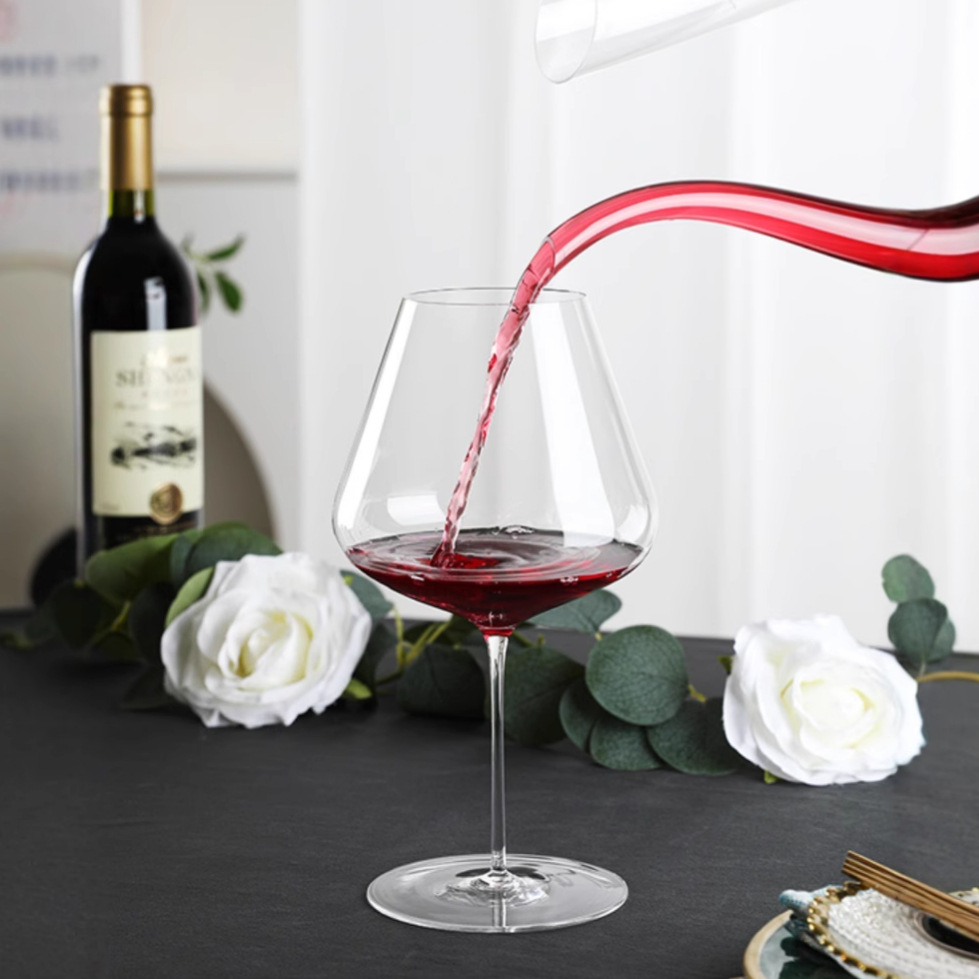 Excellent Clarity and Purity
Another significant advantage of crystal glassware is its outstanding clarity. The high - quality raw materials and precise manufacturing processes result in a glass that is free from impurities and bubbles. This clarity allows the true color and texture of the liquid inside to be fully appreciated. Whether it's a fine wine, a sparkling champagne, or a refreshing cocktail, the clarity of the crystal glass enhances the visual presentation of the beverage, making it more appetizing and appealing.
The purity of crystal glass also means that it does not impart any unwanted flavors or odors to the liquid it holds. This is particularly important for connoisseurs of wine and spirits, who value the integrity of the drink's taste. Crystal glassware provides a neutral container that allows the natural flavors and aromas of the beverage to shine through, enhancing the overall tasting experience.
Versatility in UseCrystal glassware is incredibly versatile and can be used for a wide range of beverages and occasions. There are specific
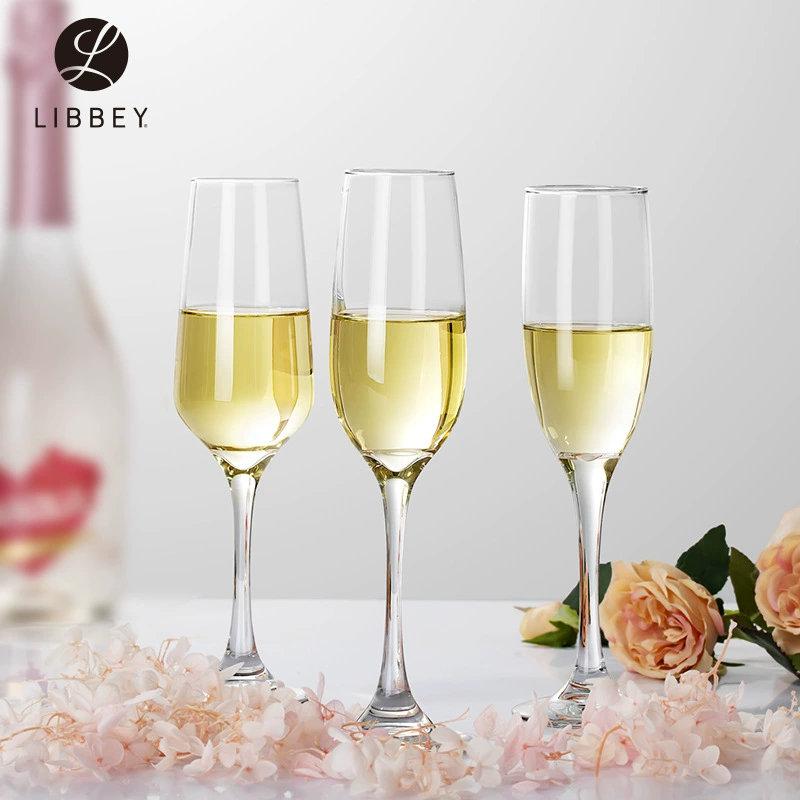
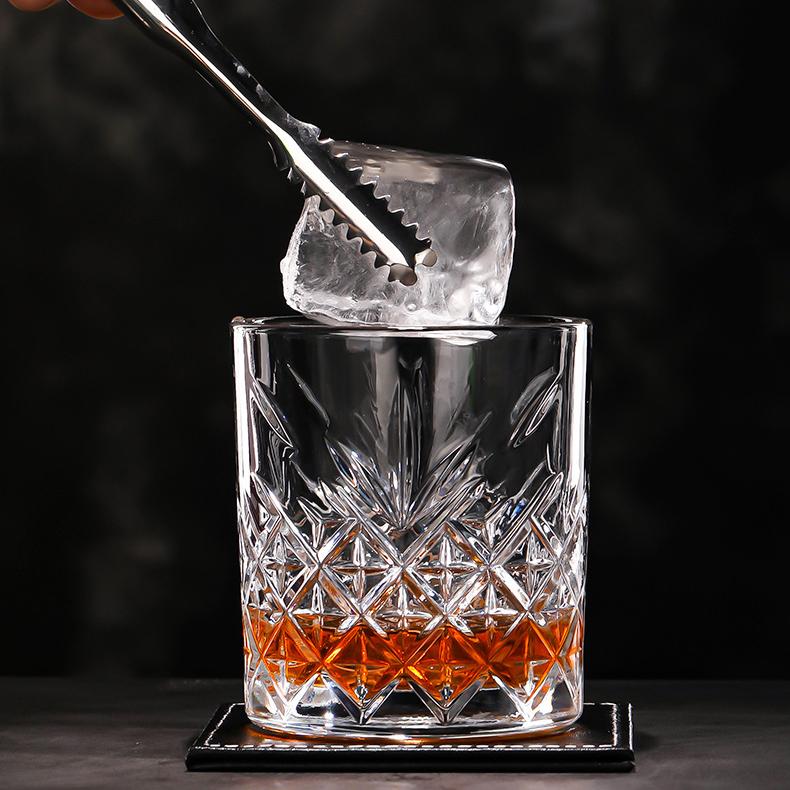
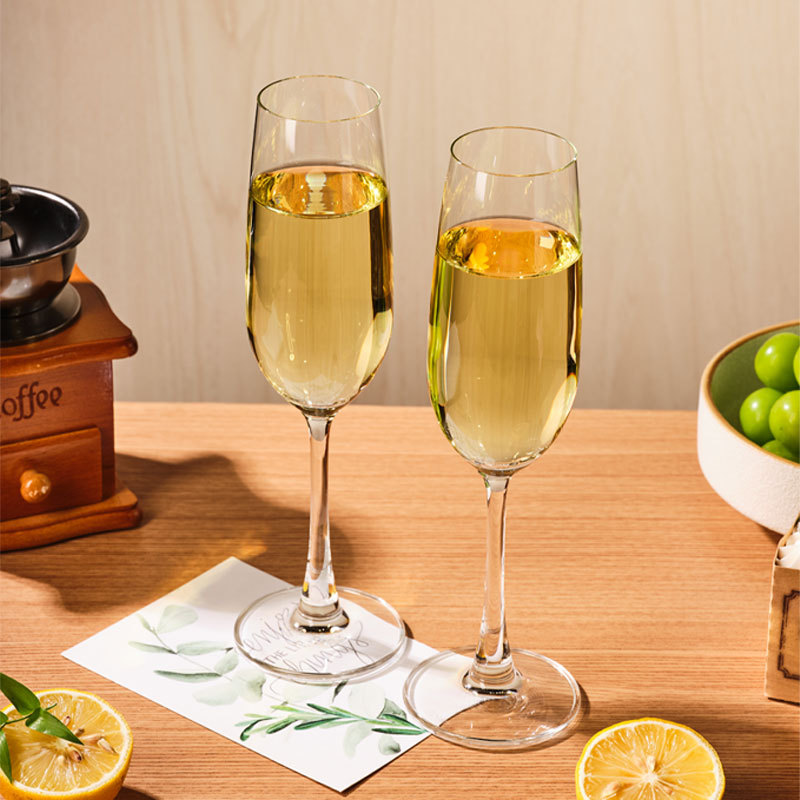
crystal glasses designed for different types of drinks, such as wine glasses, champagne flutes, whiskey tumblers, and cocktail glasses. Each type of glass is shaped and sized to optimize the drinking experience for its respective beverage. For example, wine glasses are designed to aerate the wine, enhance its aroma, and direct the flow of the liquid to the right parts of the palate, while champagne flutes are narrow to preserve the bubbles and showcase the effervescence.
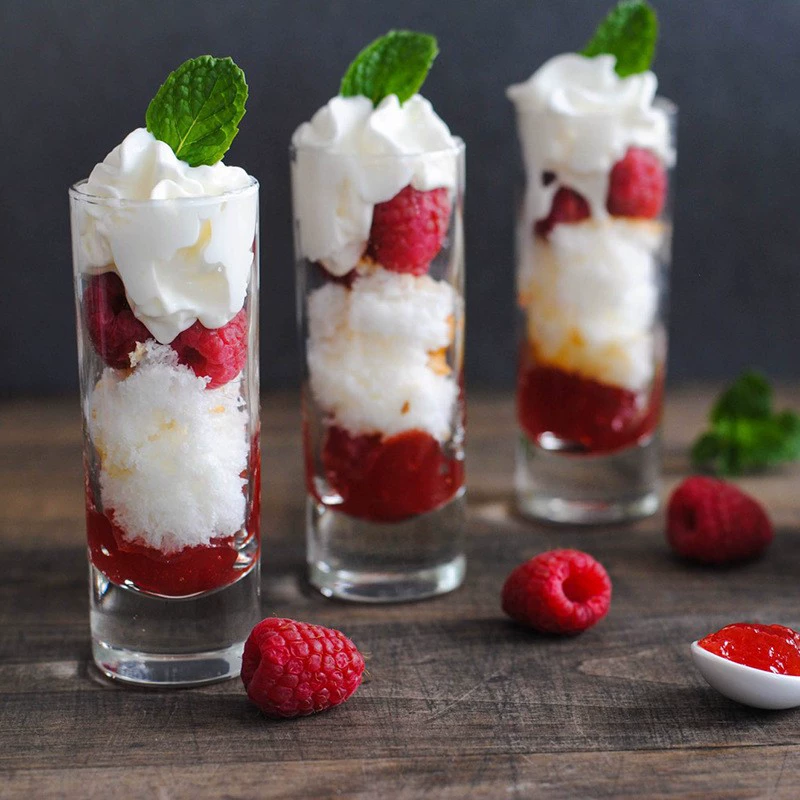
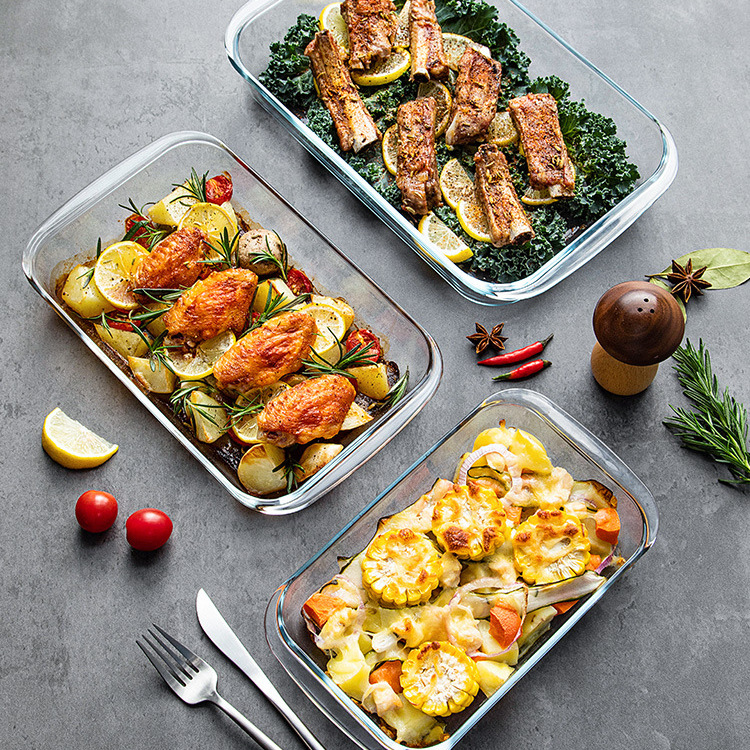
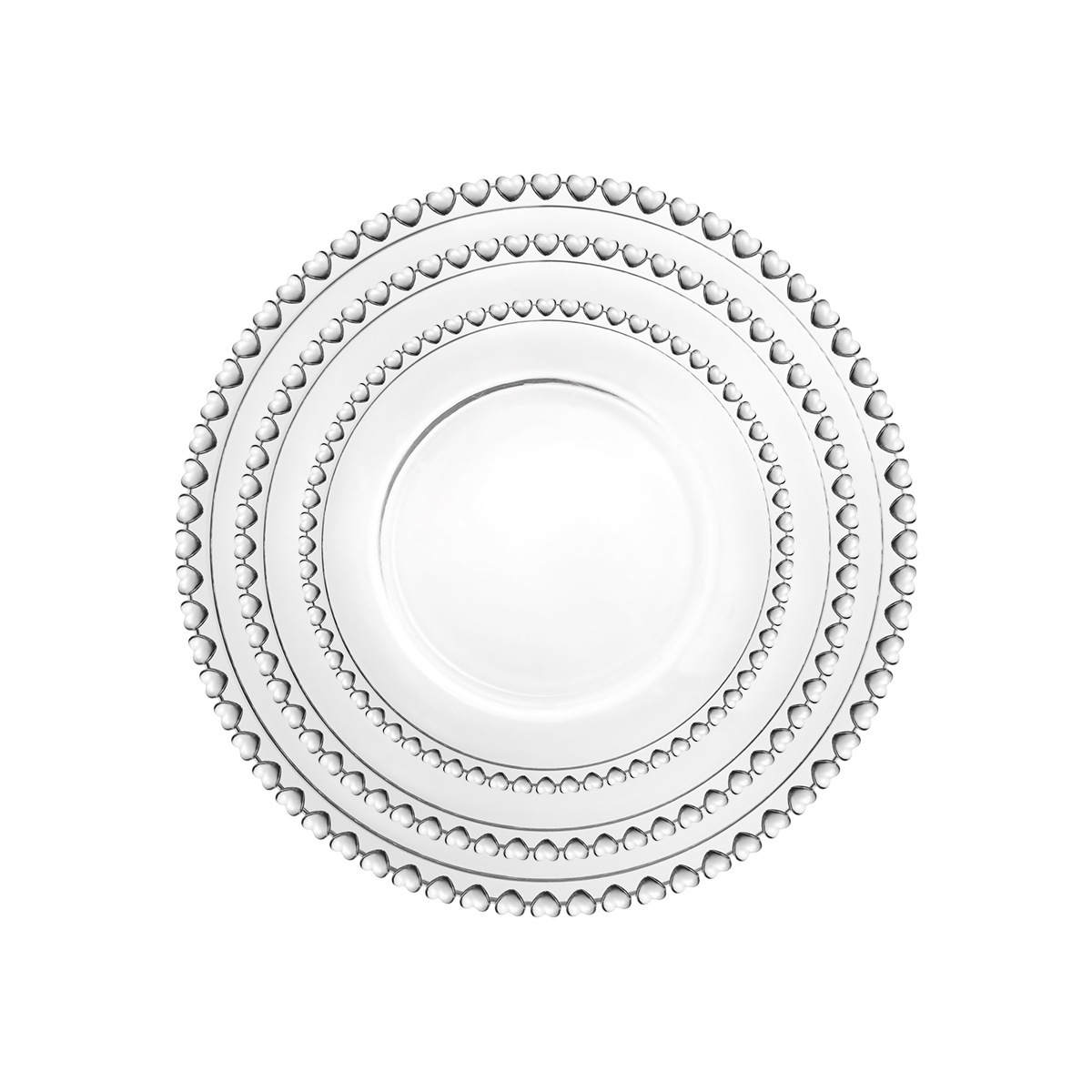
In addition to its use for beverages, crystal glassware can also be used for serving food. Crystal bowls, plates, and serving dishes are popular choices for presenting salads, desserts, and other delicacies. The elegance of crystal can make even a simple dish look more gourmet and special. Crystal glassware is suitable for both casual family dinners and formal events, such as weddings, banquets, and corporate functions. Its ability to adapt to different settings and uses makes it a staple in many households and professional establishments.
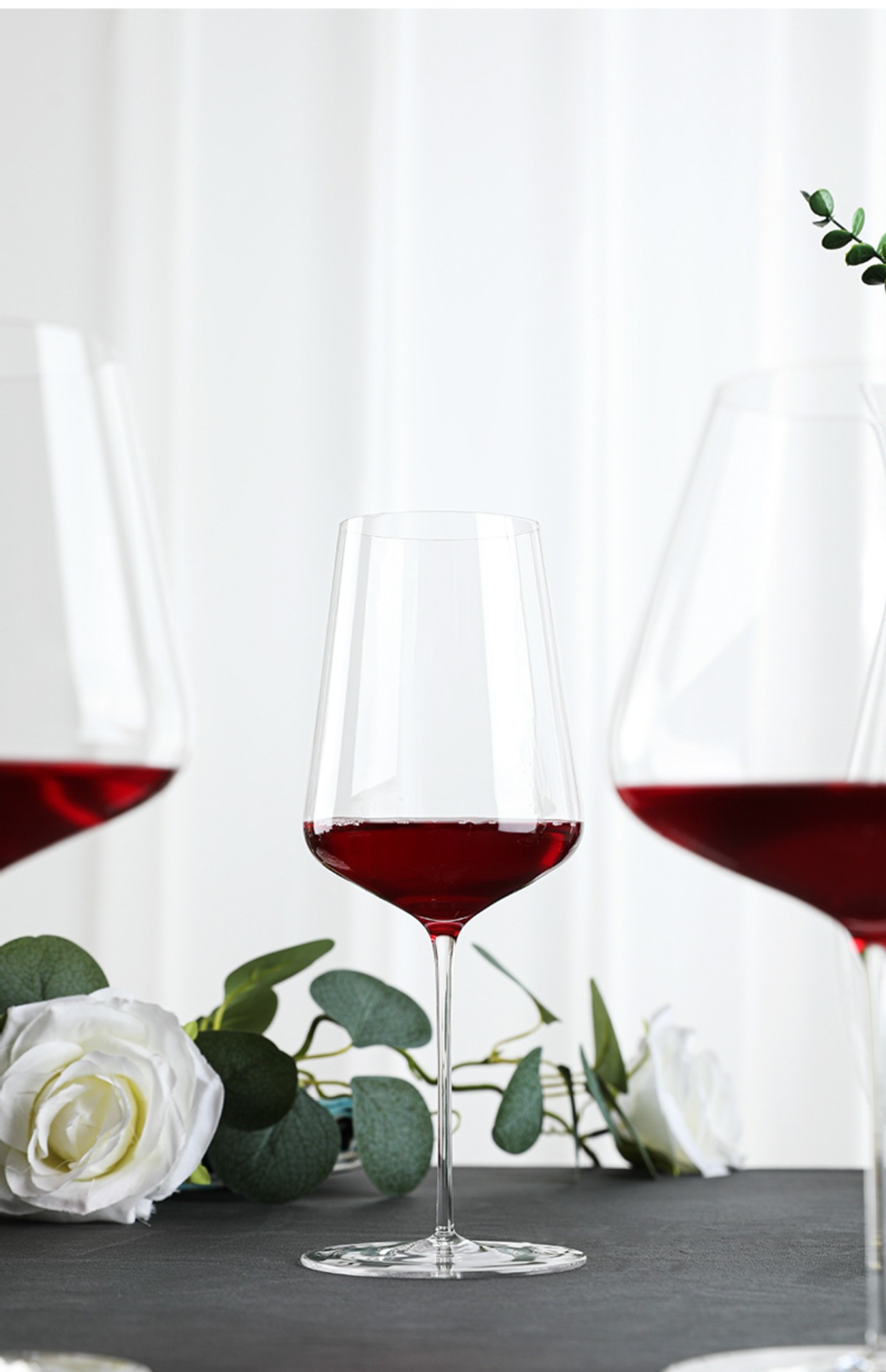 Cultural and Historical Significance
Crystal glassware has a rich cultural and historical heritage. For centuries, crystal has been associated with luxury, wealth, and refinement. In the past, crystal glassware was often reserved for the nobility and the upper classes, symbolizing status and sophistication. The craftsmanship and artistry involved in creating crystal glassware have been passed down through generations, and many traditional techniques are still used today.
Owning and using crystal glassware can be a way to connect with this long - standing tradition. It allows people to appreciate the art and history behind each piece and carry on the legacy of fine craftsmanship. Crystal glassware is also often given as a gift on special occasions, such as weddings, anniversaries, and birthdays. The act of gifting crystal not only conveys a sense of luxury but also represents a lasting and meaningful gesture.
Environmental Considerations (in the case of lead - free crystal)With growing environmental awareness, the development of lead - free crystal glassware has added another advantage to this type of tableware. Lead - free crystal uses alternative metal oxides, such as potassium or barium, instead of lead oxide. This makes it safer for both human health and the environment. Lead - free crystal glassware can be recycled, reducing its impact on landfills. Additionally, the production processes of modern lead - free crystal are often more energy - efficient and environmentally friendly compared to traditional lead - crystal manufacturing, making it a more sustainable choice in the long run.
In conclusion, crystal glassware offers a multitude of advantages that combine aesthetic beauty, practical functionality, and cultural value. Its unparalleled sparkle, durability, clarity, versatility, and historical significance make it a valuable addition to any tableware collection. Whether used for everyday enjoyment or to add a touch of elegance to special events, crystal glassware continues to be a symbol of luxury and refinement in the world of dining and entertaining.