Introduction
Borosilicate glass cups have gained significant popularity in recent years, lauded for their durability, heat - resistance, and eco - friendliness. Derived from a special type of glass that contains boron trioxide, these cups offer unique advantages over traditional glass and other materials. However, to fully enjoy the benefits of borosilicate glass cups and ensure their longevity, it is essential to understand the proper usage methods.
Hexieglass will delve into every aspect of using borosilicate glass cups, from preparation to maintenance, providing a comprehensive guide for both novice and experienced users.
1. Initial Preparation1.1 Unpacking and InspectionWhen you first receive your borosilicate glass cup, carefully unpack it from its packaging. Despite its strength, borosilicate glass can still break if mishandled during the unpacking process. Check the cup thoroughly for any visible cracks, chips, or defects. Even a small imperfection can compromise the structural integrity of the cup, especially when subjected to temperature changes or pressure. If you notice any damage, it is advisable to contact the seller or manufacturer immediately for a replacement.
1.2 Cleaning Before First UseBefore using the borosilicate glass cup for the first time, it is crucial to clean it properly. Fill the cup with warm water and add a small amount of mild dish soap. Use a soft - bristled brush or a sponge to gently scrub the interior and exterior of the cup, paying special attention to the rim and any crevices. Rinse the cup thoroughly with warm water to remove all traces of soap. Avoid using abrasive cleaners or scrubbers, as they can scratch the surface of the glass, which may not only affect the appearance but also make it more difficult to clean in the future. Additionally, you can sterilize the cup by boiling it in water for a few minutes, which is particularly important if you plan to use it for drinking beverages like baby formula or herbal infusions.
2. Usage in Different Scenarios2.1 Hot BeveragesOne of the most common uses of
borosilicate glass cups is for hot beverages such as coffee, tea, and hot chocolate. Borosilicate glass has excellent heat - resistance properties, allowing it to withstand sudden temperature changes without cracking or shattering. When pouring hot liquids, it is still recommended to pre - warm the cup slightly. You can do this by rinsing the cup with warm water before adding the hot beverage. This helps to minimize the temperature difference between the glass and the hot liquid, further reducing the risk of thermal shock.
When using the cup for hot beverages, be cautious when handling it, as the exterior of the cup can become hot. Some borosilicate glass cups come with heat - resistant handles or silicone sleeves, which provide a safer grip. If your cup does not have these features, consider using a coaster or a cloth to hold the cup. Also, avoid placing the hot cup directly on sensitive surfaces, as the heat can damage wooden tables, countertops, or plastic mats. Instead, use a trivet or a heat - resistant pad.
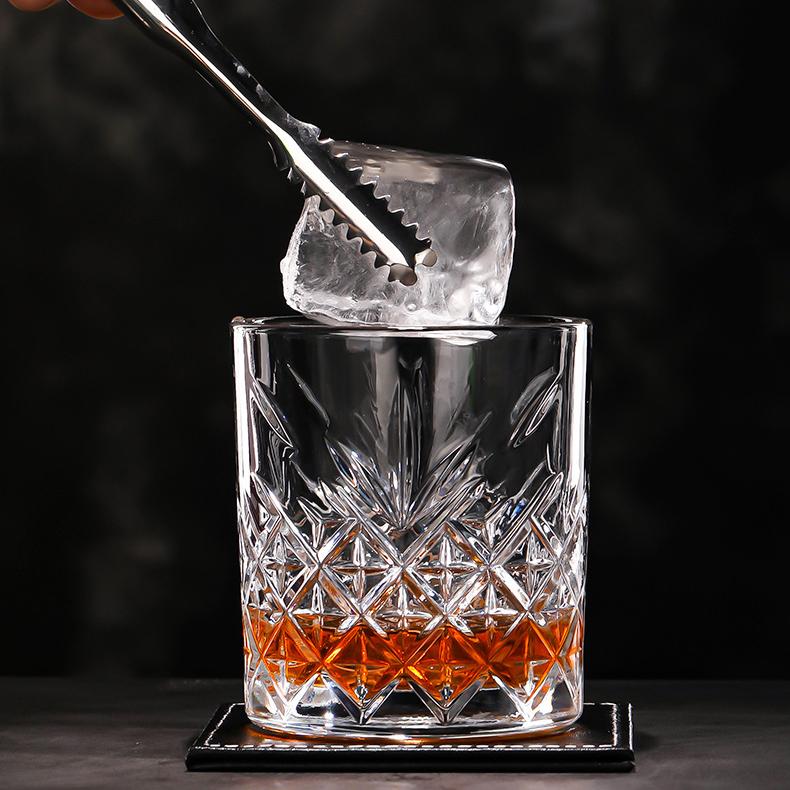
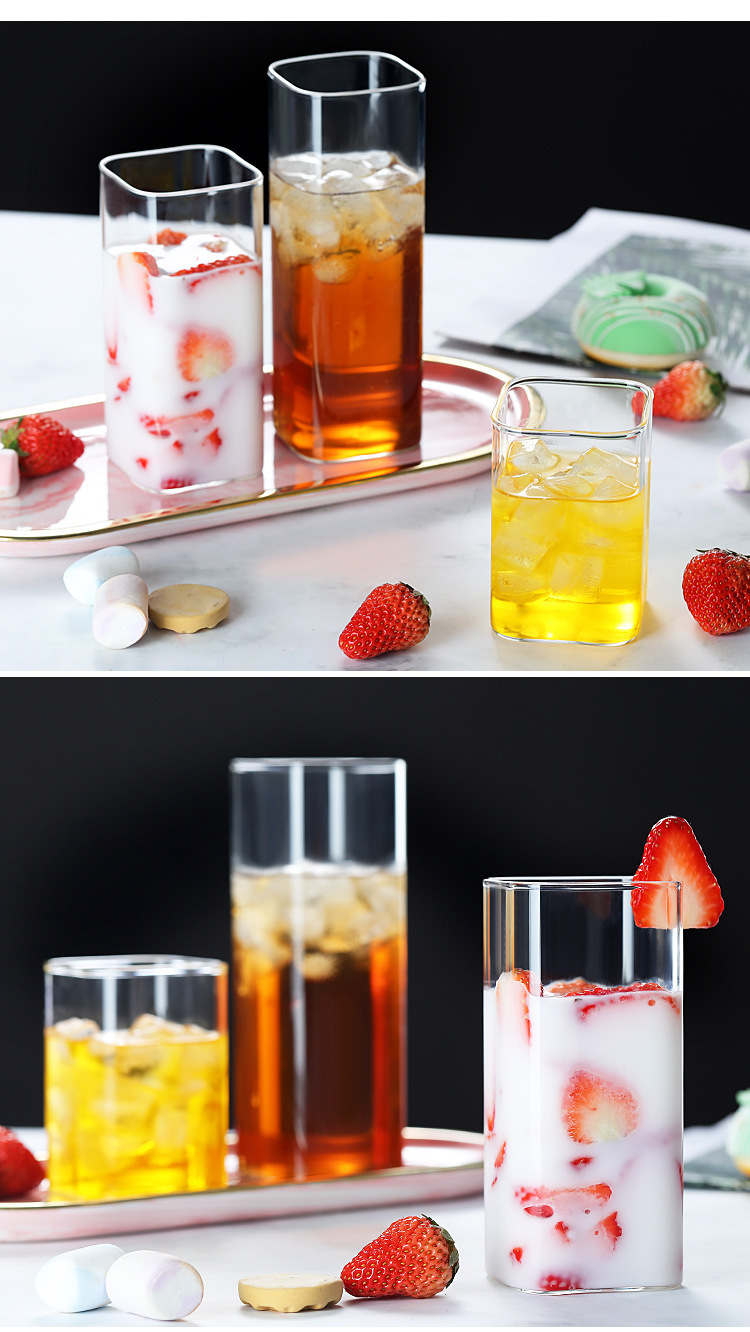
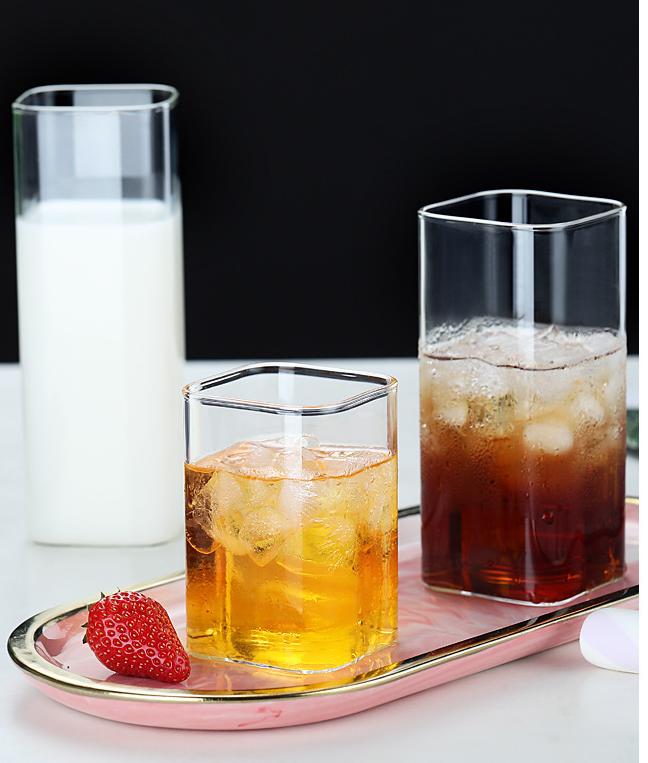
2.2 Cold BeveragesBorosilicate glass cups are also ideal for cold beverages like iced tea, smoothies, and cold brew coffee. The transparency of the glass allows you to enjoy the vibrant colors of your cold drinks, enhancing the overall visual appeal. When adding ice cubes to the cup, make sure the ice is clean and free of any impurities. Avoid over - filling the cup with ice, as this can cause the liquid to spill when you add the beverage.
For cold beverages that contain acidic ingredients such as lemon juice or orange juice, it is important to note that borosilicate glass is highly resistant to chemical corrosion. However, it is still a good practice to rinse the cup promptly after use to prevent any potential staining or residue build - up.
 2.3 Cooking and Baking Applications
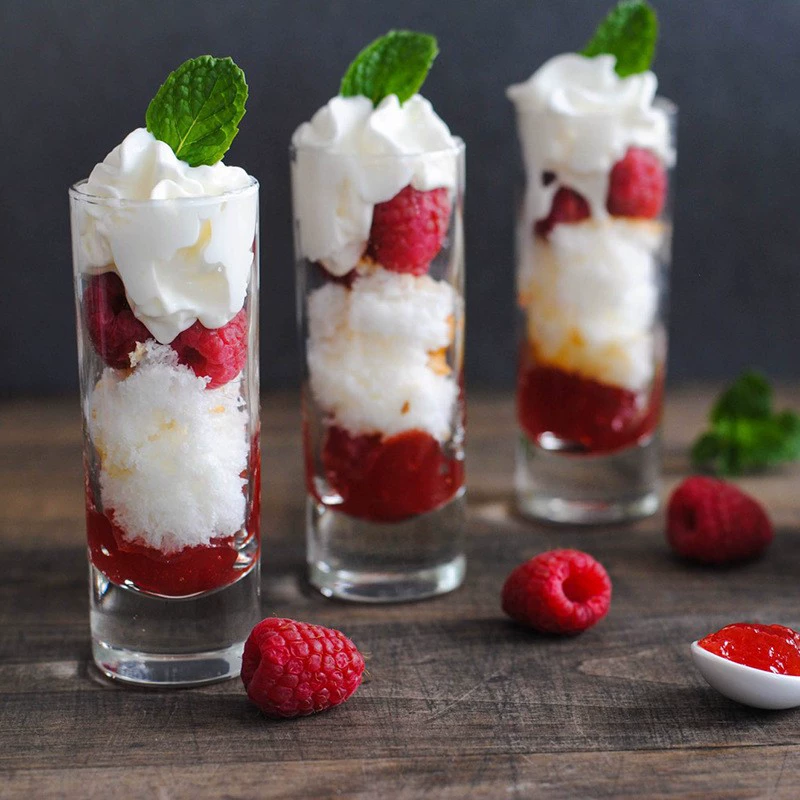
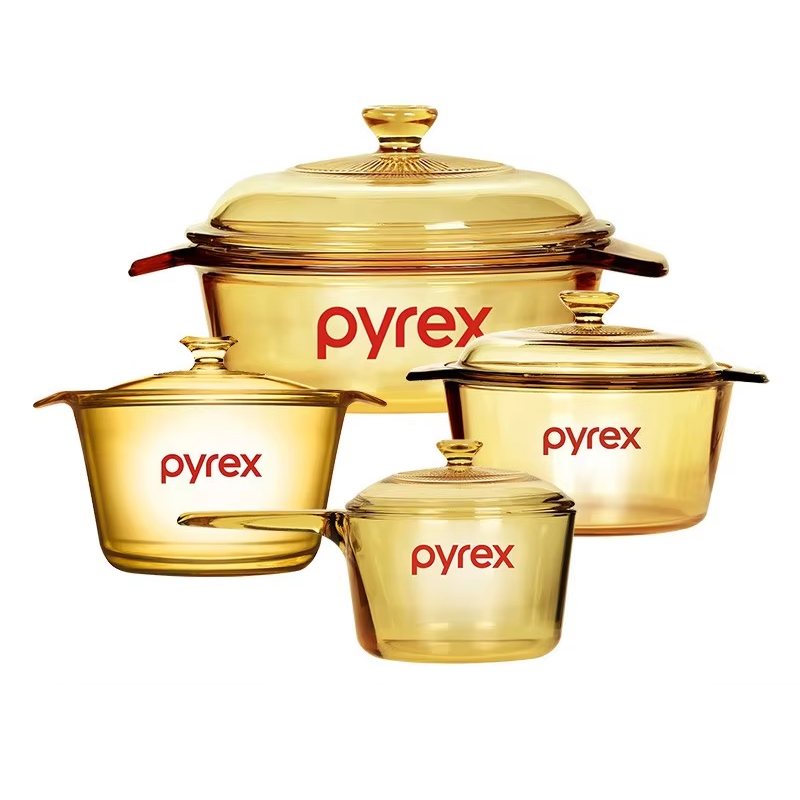
In addition to serving beverages, some borosilicate glass cups can be used in the kitchen for cooking and baking. These cups are designed to withstand high oven temperatures, making them suitable for making individual desserts like crème brûlée or small casseroles. Before using a borosilicate glass cup in the oven, make sure it is oven - safe by checking the manufacturer's instructions.
When using the cup in the oven, place it on a baking sheet or in a muffin tin to provide stability. Avoid placing the cold cup directly into a hot oven, as this can cause thermal shock. Instead, preheat the oven with the cup inside or gradually increase the temperature. After baking, allow the cup to cool down slowly at room temperature. Do not pour cold water on a hot cup, as this can cause it to crack.
3. Storage and Maintenance3.1 StorageProper storage is essential for keeping your borosilicate glass cups in good condition. When not in use, stack the cups carefully, placing a soft cloth or a paper towel between each cup to prevent scratching. Avoid stacking the cups too high, as this can put excessive pressure on the bottom cup and lead to breakage. If you have limited storage space, consider using a cup rack or a hanging organizer to keep the cups separated and easily accessible.
It is also important to store the cups in a dry place, away from moisture and direct sunlight. Moisture can cause the glass to develop a cloudy appearance over time, while prolonged exposure to sunlight can fade any printed designs or logos on the cup.
 3.2 Regular Maintenance
To maintain the clarity and luster of your borosilicate glass cups, clean them regularly. After each use, rinse the cup with warm water to remove any residual liquid or debris. For more thorough cleaning, wash the cup with mild dish soap and warm water, using a soft sponge or brush. If the cup has stubborn stains, you can soak it in a solution of warm water and baking soda for a few hours. Baking soda is a natural abrasive that can help remove stains without scratching the glass.
Avoid using harsh chemicals or bleach to clean the cups, as they can damage the glass and leave a chemical residue. After cleaning, dry the cup thoroughly with a clean towel or let it air - dry. This helps to prevent water spots and the growth of mold or mildew.
4. Safety Precautions4.1 HandlingAlthough borosilicate glass is more durable than regular glass, it is still breakable. Always handle the cups with care, avoiding dropping them or hitting them against hard surfaces. When carrying multiple cups, use a tray or a cup carrier to prevent accidental breakage. If a cup does break, clean up the fragments immediately to avoid injury. Use thick gloves or a broom and dustpan to pick up the broken pieces, and dispose of them in a sealed container.
4.2 Temperature LimitsWhile borosilicate glass has excellent heat - resistance, it does have its limits. Do not expose the cup to extreme temperature changes in a short period. For example, do not pour boiling water into a cup that has been in the freezer, or vice versa. Also, be aware of the maximum temperature that the cup can withstand. If you are using the cup in the oven, make sure the temperature does not exceed the recommended limit specified by the manufacturer.
5. Troubleshooting Common Issues5.1 Cloudy AppearanceIf your borosilicate glass cup develops a cloudy appearance, it may be due to mineral deposits or soap scum build - up. To remove the cloudiness, soak the cup in a solution of equal parts water and white vinegar for about 30 minutes. Then, rinse the cup thoroughly with warm water and dry it. The acidic properties of vinegar can help dissolve the mineral deposits and restore the clarity of the glass.
5.2 OdorSometimes, borosilicate glass cups can retain odors from certain beverages, especially those with strong flavors like garlic - infused tea or fish - based broths. To eliminate the odor, fill the cup with warm water and add a few drops of lemon juice or a teaspoon of baking soda. Let the solution sit in the cup for a few hours, then rinse it thoroughly. The lemon juice or baking soda can help neutralize the odor.
ConclusionBorosilicate glass cups offer a multitude of benefits, from their heat - resistance and durability to their aesthetic appeal. By following the proper usage methods, including initial preparation, correct usage in different scenarios, appropriate storage, and regular maintenance, you can ensure that your borosilicate glass cups serve you well for a long time. Additionally, being aware of safety precautions and knowing how to troubleshoot common issues will enhance your overall experience with these versatile cups. Whether you are using them for enjoying your favorite beverages or for creative cooking endeavors, borosilicate glass cups are a valuable addition to any kitchen or dining collection.