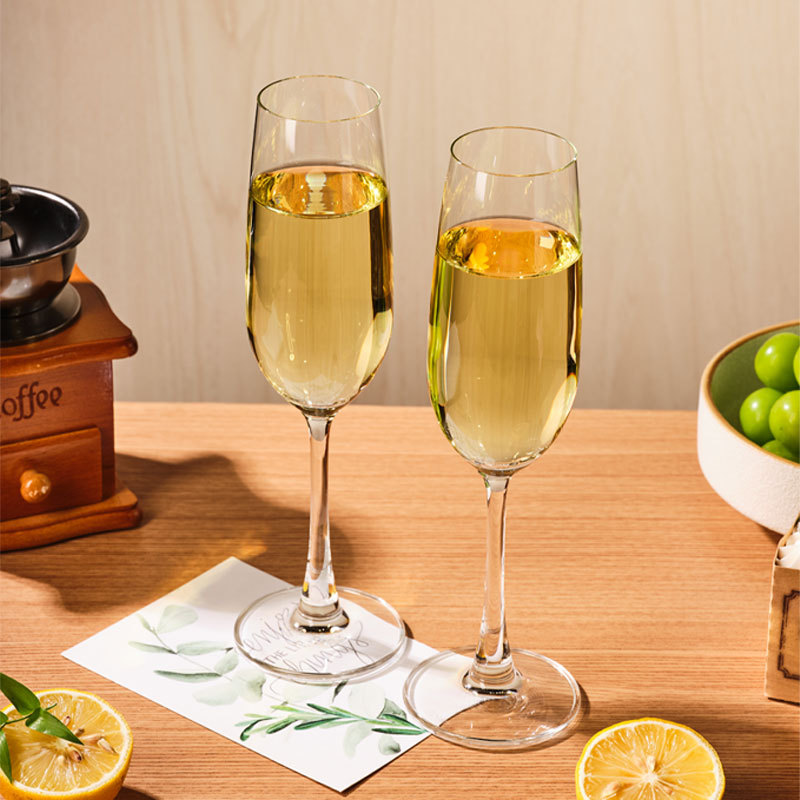
A set of elegant glass champagne flutes elevates every celebration—whether it’s a wedding toast, anniversary dinner, or holiday gathering. But these delicate, slender glassware pieces require gentle, intentional care to maintain their crystal-clear clarity, sleek shape, and long-lasting durability. Improper handling can lead to scratches, cloudiness, chips, or even breakage, ruining their aesthetic and functionality. Below are practical, professional maintenance tips to help you preserve your glass champagne flutes and keep them ready for every special moment.
Gentle Cleaning: The Foundation of Champagne Flute Care
The first rule of caring for glass champagne flutes is avoid harsh cleaning methods. Most high-quality champagne flutes are made of thin, clear glass or lead-free crystal, which is vulnerable to scratches and chemical damage. Hand-washing is always the best choice: use warm water, a small amount of mild, fragrance-free dish soap, and a soft sponge or non-abrasive cloth. Gently wipe the inside and outside of the glass, paying extra attention to the rim and base where residue tends to build up.
Skip steel wool, scouring pads, or harsh brushes, as they will leave permanent scratches. If you prefer using a dishwasher, place the flutes upright in the top rack, secure them with soft rack protectors to prevent clinking, and use a gentle, low-heat cycle with phosphate-free, non-toxic detergent. Avoid overcrowding the dishwasher—collisions during the cycle are the top cause of broken stems. Always rinse flutes immediately after use to remove champagne residue, which can cause staining or cloudiness over time.
Proper Drying & Polishing: Banish Spots & Streaks
Air-drying champagne flutes often leaves water spots and mineral deposits, ruining their polished look. After washing, dry them promptly with a lint-free, microfiber cloth or a soft cotton linen towel—these materials absorb water without leaving fibers or scratches. Hold the glass by the stem, not the bowl, to avoid fingerprints and reduce the risk of dropping. For a flawless, sparkling finish, polish the bowl gently in circular motions until completely dry.
Safe Storage: Protect Stems & Prevent Damage
Storing champagne flutes correctly is just as important as cleaning them. The long, slender stem and delicate bowl make this glassware prone to tipping and chipping. Store flutes upright in a dedicated glass cabinet with soft, non-slip liners to keep them stable. Avoid stacking them or placing heavy items on top, and leave space between each glass to prevent clinking and scratching.
If cabinet space is limited, use stemware hangers or racks that suspend the glasses by the base—this keeps the bowl and stem safe from dust and damage. Keep them away from direct sunlight, which can cause discoloration over time, and avoid storing near sharp objects or heavy cookware that could knock them over.
Daily Use & Damage Prevention
To extend the lifespan of your champagne flutes, handle them with care during use. Always hold the glass by the stem, not the bowl—touching the bowl leaves oily fingerprints and can warm the champagne, altering its temperature and fizz. Avoid sudden temperature changes: never pour boiling water or frozen champagne into a cold or warm glass, as thermal shock can cause the glass to crack.
If your flute develops minor chips or small scratches, avoid using it for drinking, as sharp edges can be hazardous. For slight cloudiness caused by mineral buildup, soak the glass in a mixture of warm water and white vinegar for 10–15 minutes, then gently clean and dry—this natural solution removes deposits without damaging the glass.
Final Thoughts
Glass champagne flutes are more than just drinkware—they’re a symbol of celebration and elegance. With simple, consistent care: gentle hand-washing, prompt drying, safe storage, and careful handling, your champagne flutes will stay sparkling, scratch-free, and beautiful for years to come. Invest a little time in maintenance, and they’ll be ready to make every toast feel extra special.











Guangzhou HeXie Glass Co., Ltd.
Address: No. 22, Building 53, Haotai Hotel Supplies Expo City, Yingbin Road, Luopu Street, Panyu District, Guangzhou
Tel: +86-18011970645
Email: info@hexieglass.com
https://www.hexieglass.com