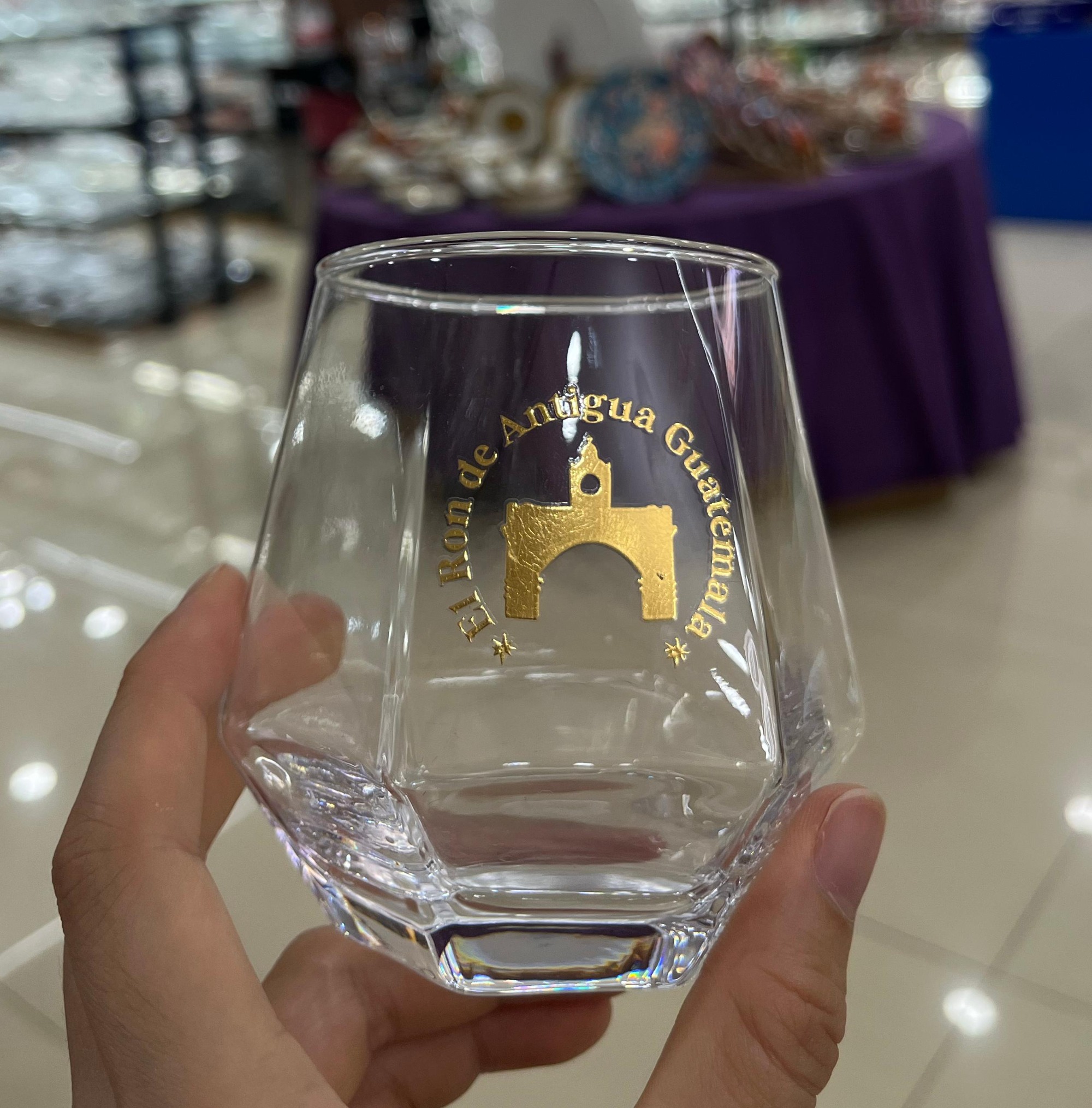
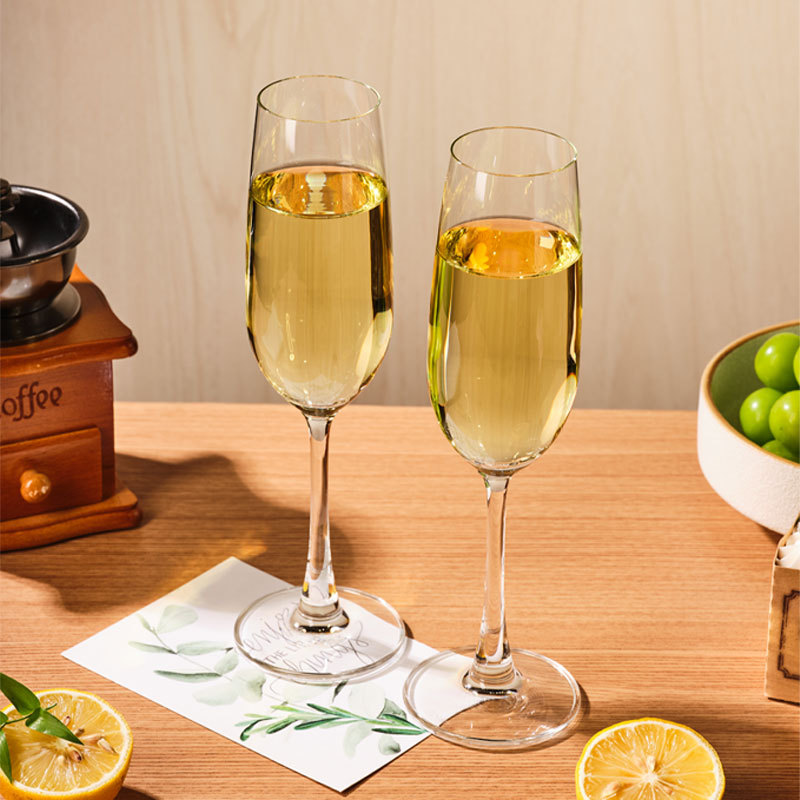
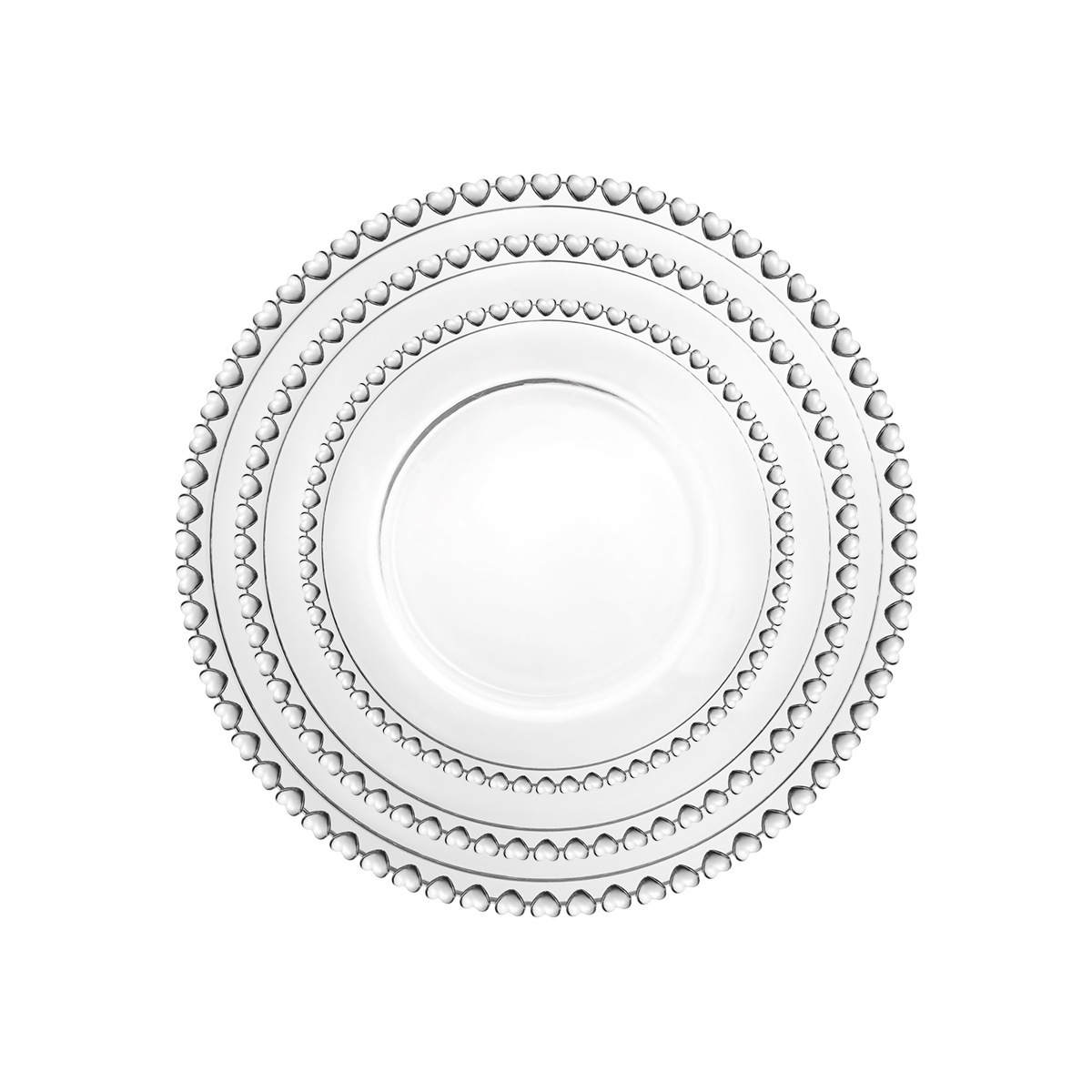
Glass cups are daily necessities that combine functionality and aesthetics, and they can be divided into primary color glass cups and spray-painted glass cups according to their coloring methods. These two types of cups differ significantly in production processes, appearance characteristics, performance, and application scenarios, each with its own unique charm and applicable scope.
The most fundamental difference between primary color glass cups and spray-painted glass cups lies in their coloring processes. Primary color glass cups, as the name suggests, get their color during the glass melting stage. When producing such cups, manufacturers add specific metal oxides or other colorants to the raw materials like silica sand, soda ash, and limestone. These colorants are fully integrated into the glass matrix during the high-temperature melting process, making the color an inherent part of the glass. For example, adding cobalt oxide can produce blue glass, while iron oxide can result in green glass. This one-time forming process ensures that the color of primary color glass cups is uniform and consistent from the inside out.
In contrast, spray-painted glass cups obtain their color through a post-processing step. After the transparent glass cup is formed, a layer of paint is sprayed on its surface using professional spraying equipment. The paint can be of various types, such as acrylic or enamel, and it adheres to the surface of the glass after drying or curing. This process allows for more flexible color choices and patterns. Manufacturers can easily change the color or pattern by adjusting the paint, enabling the production of glass cups with rich and diverse designs.
In terms of appearance, primary color glass cups usually have a more natural and soft color. Since the color is integrated into the glass, it presents a sense of transparency and depth. The light can penetrate the glass, making the color look more vivid and layered. For example, a primary color green glass cup may show different shades of green under different light conditions, adding a unique visual appeal. Moreover, the surface of primary color glass cups is smooth and free of any coating, maintaining the original texture of the glass.
Spray-painted glass cups, on the other hand, have a more bright and intense color. The paint on the surface forms a solid color layer, which can present a more saturated color effect. Additionally, spray-painted glass cups can have various patterns and designs, such as stripes, flowers, or even personalized prints. These patterns are clearly visible on the surface, making the cups more decorative and fashionable. However, the color of spray-painted glass cups may appear slightly flat compared to primary color ones, as the paint layer blocks part of the light transmission.
Performance-wise, primary color glass cups have better durability. Since the color is part of the glass itself, it will not fade or peel off even after long-term use, washing, or exposure to high temperatures. They are resistant to scratches and can maintain their original appearance for a long time. This makes primary color glass cups suitable for daily use, especially in situations where they are frequently washed or used.
Spray-painted glass cups, however, are relatively less durable. The paint layer on the surface is prone to wear and tear. Frequent washing, especially with harsh detergents or using a dishwasher, may cause the paint to fade, peel, or scratch. In addition, spray-painted glass cups are not suitable for use in high-temperature environments, as the high temperature may cause the paint to melt or release harmful substances. Therefore, they require more careful maintenance during use.
In terms of application scenarios, primary color glass cups are often used in daily life, such as drinking water, coffee, or tea. Their simple and elegant appearance makes them suitable for various home decoration styles. They are also widely used in restaurants, cafes, and other catering establishments due to their durability and ease of maintenance.
Spray-painted glass cups are more popular in gift-giving, party supplies, or decorative purposes. Their rich colors and unique patterns make them ideal as souvenirs or gifts. They can also add a festive atmosphere to parties or other celebrations. However, due to the potential issues with the paint layer, they are less commonly used for long-term daily use, especially for holding hot drinks.
In conclusion, primary color glass cups and spray-painted glass cups each have their own characteristics. Primary color glass cups excel in durability, natural appearance, and suitability for daily use, while spray-painted glass cups are favored for their diverse colors, patterns, and decorative effects. When choosing between them, people can consider their specific needs, such as usage frequency, maintenance conditions, and aesthetic preferences, to select the most suitable type of glass cup.

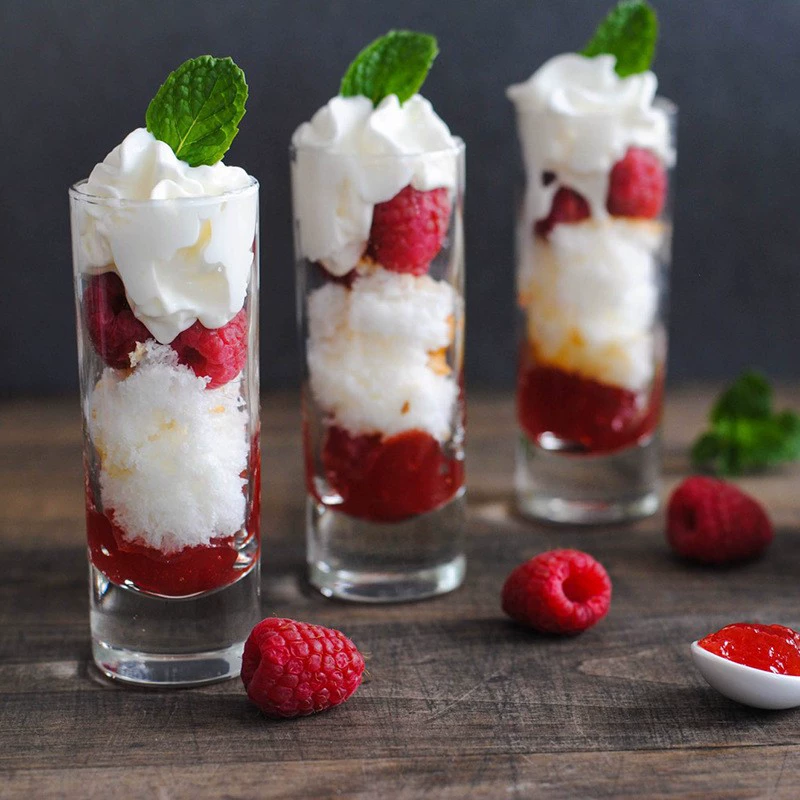








Guangzhou HeXie Glass Co., Ltd.
Address: No. 22, Building 53, Haotai Hotel Supplies Expo City, Yingbin Road, Luopu Street, Panyu District, Guangzhou
Tel: +86-18011970645
Email: info@hexieglass.com
https://www.hexieglass.com