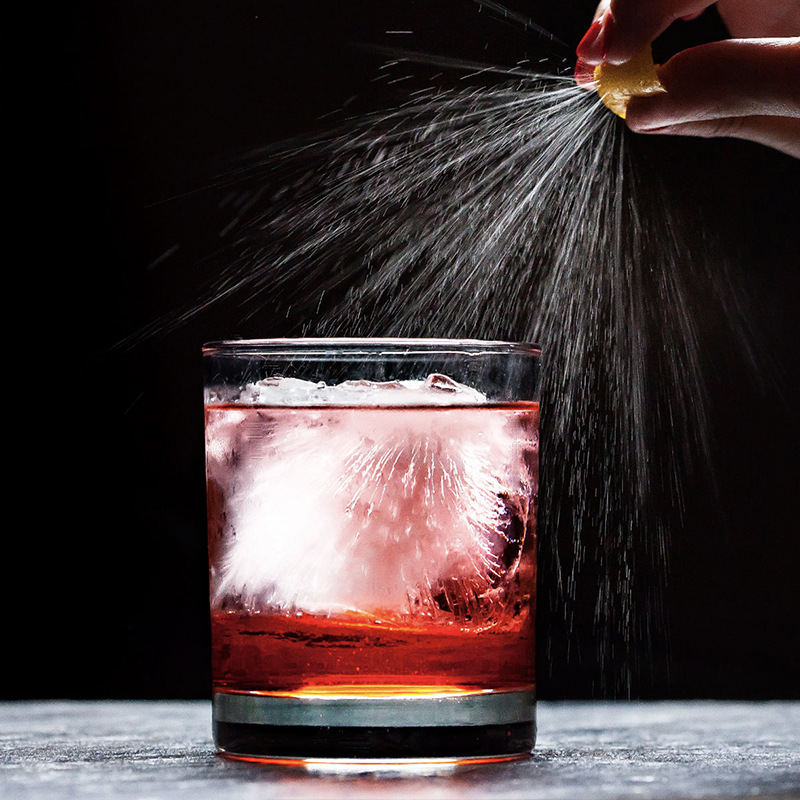
- Rock Glass / Old Fashioned Glass
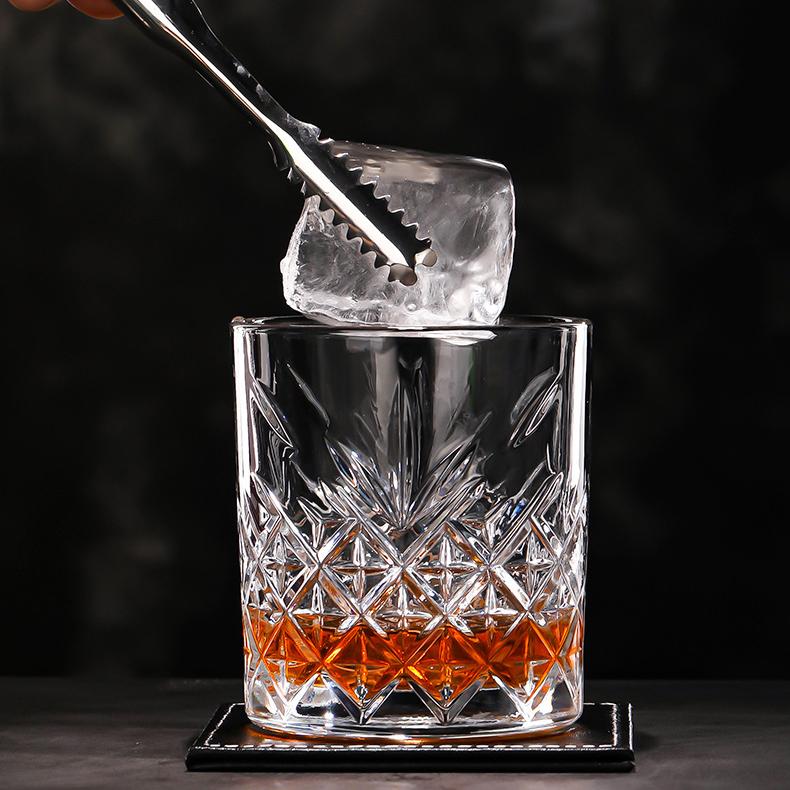
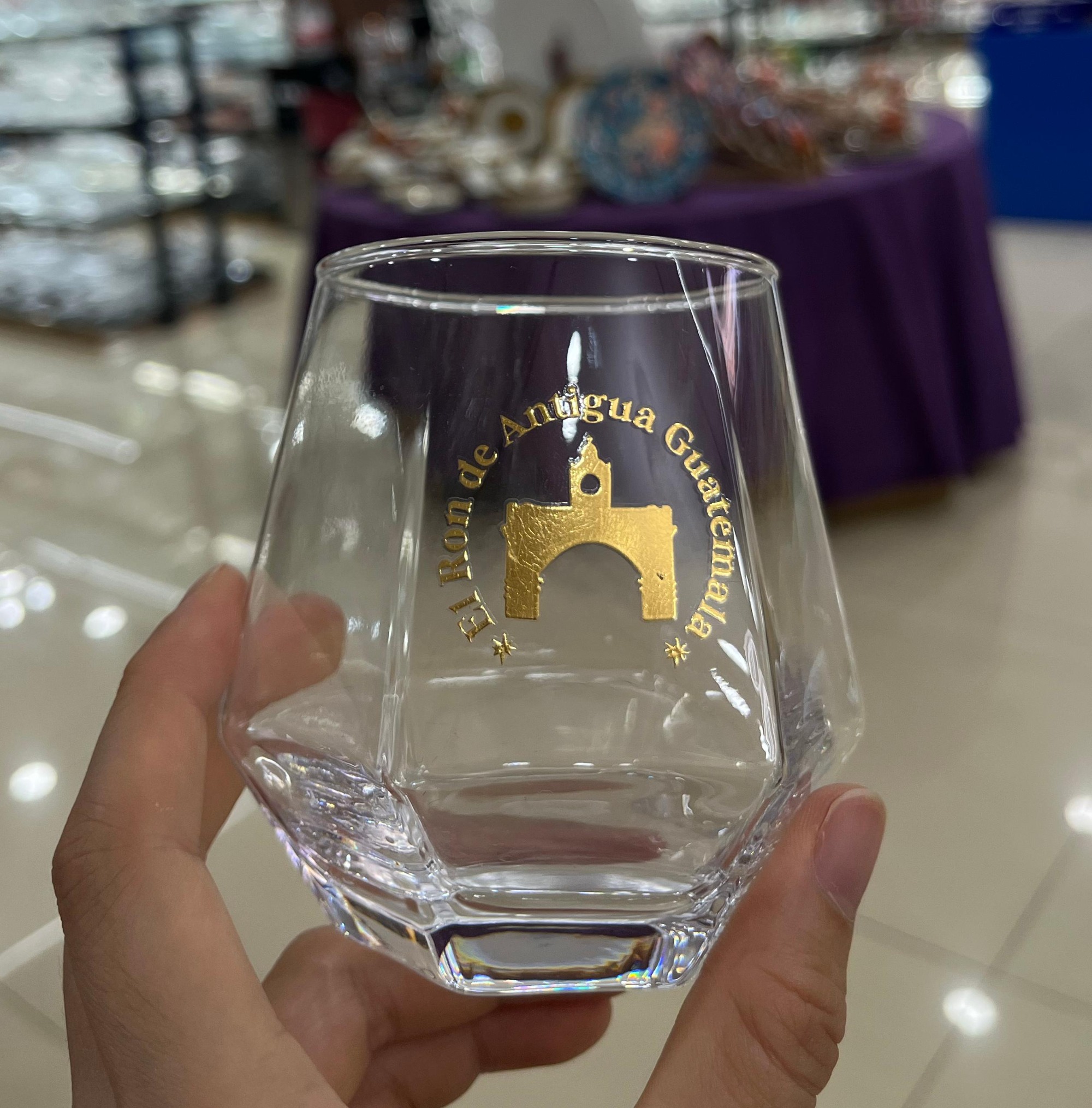
Alias: Rock Glass, Short Glass
Features: Short and heavy cup, wide mouth, convenient for adding ice or stirring.
Applicable scenarios: Pure drinking, adding ice (On the Rocks), mixing old-fashioned cocktails (Old Fashioned).
Recommended wines: Bourbon whiskey, blended whiskey (such as Jack Daniels, Johnnie Walker Black Label).
2. Glencairn Glass
Design: Designed specifically for whiskey tasting, with a wide belly, narrow mouth, and short handle at the bottom.
Advantages: Gather aroma, guide the wine to the tip of the tongue (highlight sweetness), and facilitate observation of the color of the wine.
Applicable scenarios: Professional tasting of single malt or high-end whiskey.
Recommended wines: Scottish single malt (such as Macallan, Ardbeg), Japanese whiskey (such as Yamazaki).
3. Copita Glass
Alias: Sherry Glass
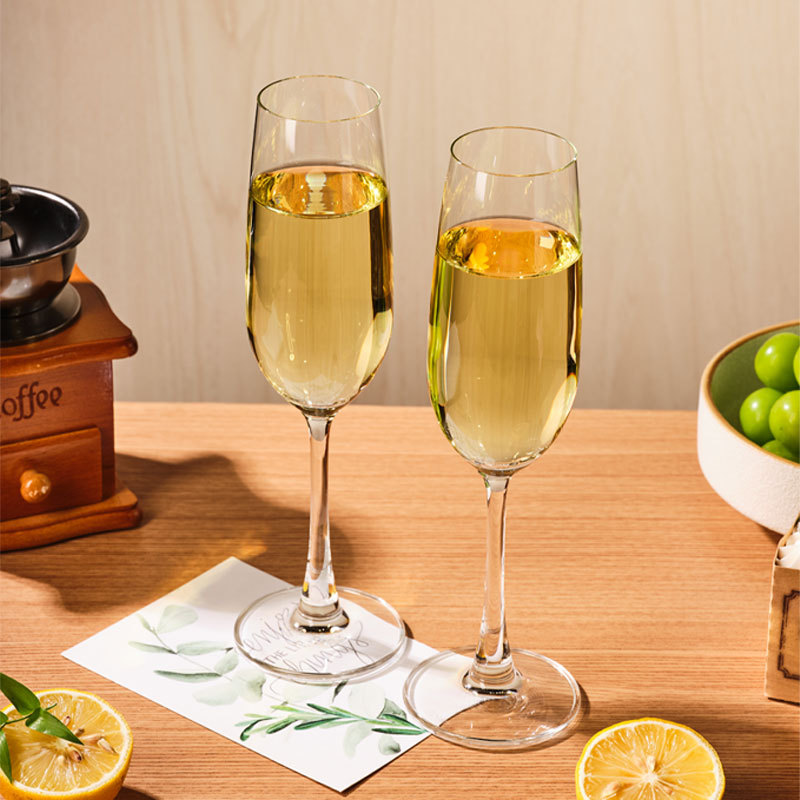
Features: The cup is slender like a tulip, the mouth is extremely narrow, and the long handle prevents the hand temperature from affecting the wine.
Advantages: Highly concentrated aroma, suitable for slowly tasting complex flavors.
Applicable scenarios: professional tasting, whisky exhibitions or auctions (such as rare Karuizawa models).
Brand reference: Riedel's professional tasting series.
4. Highball Glass
Features: Slender straight cup with large capacity (usually more than 300ml).
Applicable scenarios: Mixing whisky cocktails with ice or carbonated drinks, such as Highball (whisky + soda water).
Recommended wines: Light whisky (such as Japanese Hakushu and Irish Jameson).
5. Nosing Glass
Design: Similar to the Glencairn glass, but with a narrower mouth and more concentrated aroma.
Use: Professional scent training or whiskey competition, reduce alcohol stimulation, highlight subtle aroma.
Representative brand: The Norlan Glass combines modern design with traditional functions.
6. ISO cup (International Standard Tasting Cup)
Features: Universal tasting cup, rounded cup body, slightly narrowed cup mouth, capacity of about 200ml.
Advantages: No brand or style bias, suitable for fair comparison of different wines during blind tasting.
Common scenarios: Whiskey competitions, professional evaluations.
7. Snifter Glass
Origin: Traditional brandy cup, large cup belly, narrow cup mouth, long handle to prevent heat.
Applicability: Suitable for high alcohol content, heavy body whiskey (such as barrel strength or single barrel whiskey).
Usage tips: The palm of the hand holds the cup belly to slightly warm it up and release deep aroma.
8. Norlan Glass
Innovative design: double-layer glass structure, the outer layer prevents hand temperature, and the inner layer guides the aroma.
Advantages: It combines the practicality of the classic cup with the function of the aroma cup, and is full of modernity.
Applicable scenarios: daily drinking and display.
How to choose a wine glass?
Pure drinking/tasting: Glencairn cup, tulip cup > ISO cup > pure drinking cup
Ice/mixing: classic cup, highball cup
Newbie-friendly: classic cup (easy to operate) or Glencairn cup (experience aroma)
Collection value: handmade crystal cup (such as Riedel), designer joint model
Tips: The influence of cup shape on flavor
Wide mouth of the cup: The alcohol feeling is more obvious, suitable for heavy taste or ice drinking.
Narrow mouth of the cup: The aroma is concentrated, highlighting delicate flavors such as floral, fruity, and woody tones.
Cup belly size: affects the speed of decanting, and a large cup belly makes high-alcohol liquor softer.
Choosing a suitable wine glass can greatly enhance the whiskey experience. It is recommended to match it according to drinking habits and the characteristics of the wine!


 16May 2025
0Comments
619Views
16May 2025
0Comments
619Views