In the quest for safe and healthy food practices, the choice of storage containers plays a more critical role than many realize. From plastic tubs to stainless steel canisters, the options are vast, but none quite measure up to glass when it comes to protecting food integrity and human health. Glass, a material with a millennia-long history, has stood the test of time as a superior choice for storing everything from leftovers to pantry staples. Its unique properties—chemical inertness, heat resistance, and ease of cleaning—make it unparalleled in ensuring that food remains free from contaminants, preserves its flavor, and minimizes environmental harm. This article explores why glass is the gold standard for safe food storage, examining its benefits through the lenses of health, functionality, and sustainability.
One of the most compelling reasons glass reigns supreme in food storage is its chemical inertness. Unlike plastic, which is composed of synthetic polymers, glass is made from silica sand, soda ash, and limestone—natural materials that do not react with food or liquids, even over time. This stability means glass containers will never leach harmful substances into the food they hold, a critical concern with plastic alternatives.
Plastics, particularly those labeled with recycling codes 3 (PVC), 6 (polystyrene), and 7 (polycarbonate), often contain additives like phthalates, bisphenol A (BPA), and 邻苯二甲酸盐 (phthalates) to enhance flexibility or durability. These chemicals are known endocrine disruptors, meaning they can interfere with the body’s hormone system, potentially leading to developmental issues, reproductive problems, and an increased risk of certain cancers. Studies have shown that plastic containers, especially when exposed to heat (such as in microwaves or dishwashers) or acidic foods (like tomatoes, citrus, or vinegar), release these toxins at an accelerated rate. Even “BPA-free” plastics are not entirely risk-free, as they often use substitutes like BPS (bisphenol S) that may have similar health effects.
Glass, by contrast, is impervious to such reactions. Whether storing hot soup, acidic sauces, or fatty meats, glass remains stable. It does not absorb or release any chemicals, ensuring that the food’s composition remains unaltered. This is particularly important for families with infants or young children, whose developing bodies are more vulnerable to the effects of toxic substances. For anyone prioritizing a clean, chemical-free diet, glass eliminates the hidden risks associated with plastic storage.
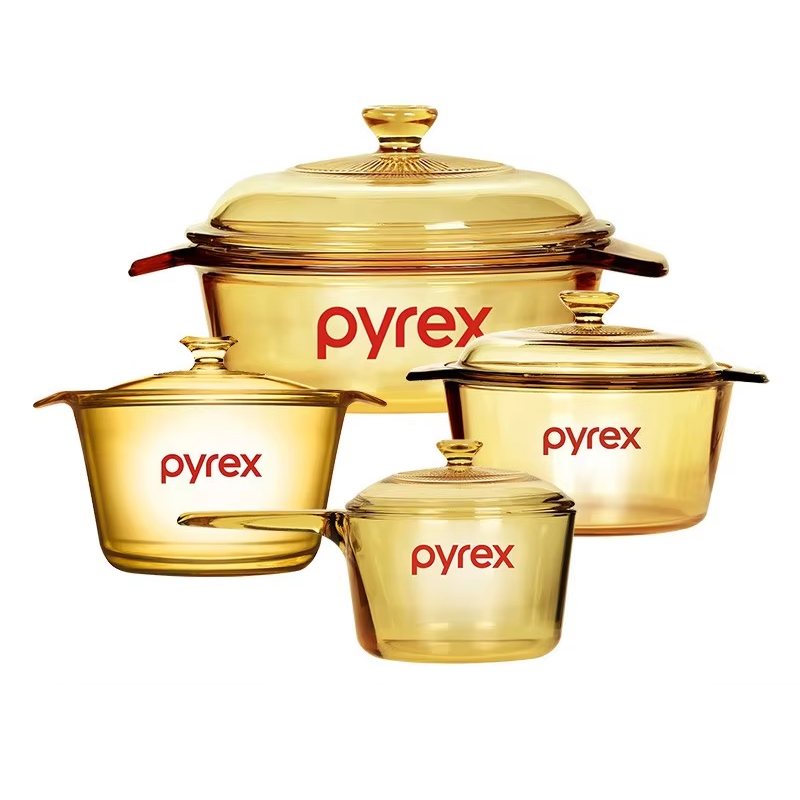
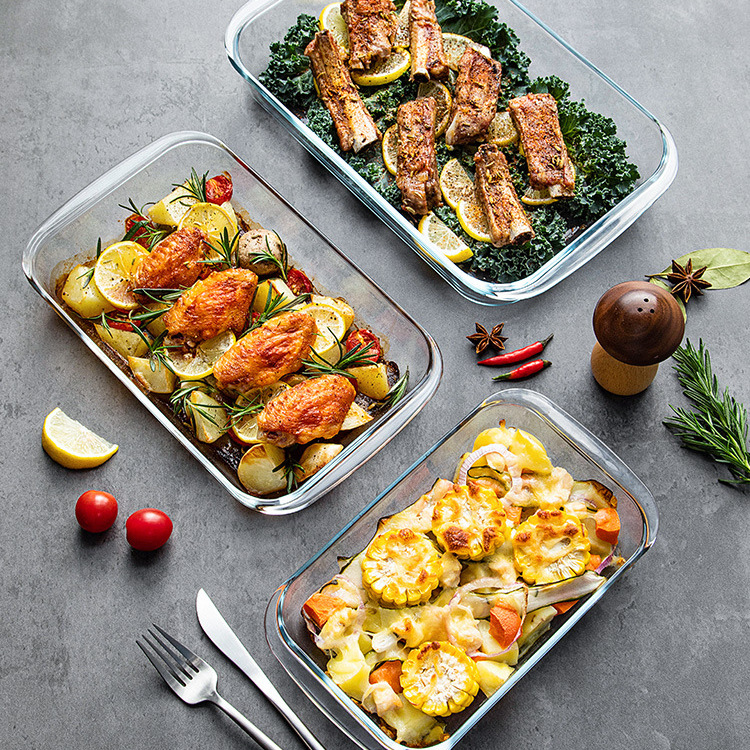
Glass’s ability to withstand extreme temperatures adds another layer of safety and convenience that plastic and even some metal containers cannot match. Most high-quality food storage glass is tempered, a process that strengthens it to resist thermal shock—meaning it can transition from the freezer to the oven or microwave without shattering. This versatility reduces the need to transfer food between containers, minimizing the risk of contamination and simplifying meal prep.
Consider the common scenario of reheating leftovers: a plastic container might warp, melt, or release toxins when heated, while a glass container can safely go from the refrigerator to the microwave or oven, preserving both the food and the container. Similarly, glass jars are ideal for storing hot liquids like bone broth or freshly brewed tea, as they won’t leach chemicals or absorb odors from the heat. This heat resistance also makes glass easier to sanitize—unlike plastic, which can develop micro-cracks over time that harbor bacteria, glass can be boiled, steamed, or run through high-temperature dishwasher cycles to ensure thorough cleaning.
Stainless steel, another popular alternative, is heat-resistant but lacks glass’s transparency, making it harder to monitor food freshness or quantity at a glance. Additionally, some stainless steel containers have plastic lids that can still pose leaching risks when exposed to heat, undermining their safety benefits. Glass, when paired with silicone or stainless steel lids (free of BPA and phthalates), offers a fully heat-safe storage solution.
Anyone who has stored garlicky hummus or tomato sauce in a plastic container knows the struggle: the container absorbs the strong odors and stains, which linger even after washing, and can transfer to other foods later. Glass, however, is non-porous, meaning it does not absorb smells, flavors, or colors from the food it holds. This property ensures that leftover curry won’t taint tomorrow’s salad, and that a jar used for pickles can later store flour without retaining a vinegar scent.
The non-porous nature of glass also prevents cross-contamination between different foods. Plastic, with its microscopic pores, can trap bacteria and residue, even after rigorous cleaning. Over time, this buildup can affect the taste of stored food and create unsanitary conditions. Glass’s smooth surface, by contrast, leaves nowhere for bacteria or odors to hide, making it easier to maintain a hygienic storage environment. This is especially important for storing perishables like dairy products, which are prone to spoilage, or for individuals with food allergies, who need to avoid even trace amounts of allergenic foods.
For pantry staples like grains, nuts, and spices, glass jars are superior to plastic bags or containers because they keep food fresh longer. Their airtight seals (when paired with quality lids) block moisture and pests, while their transparency allows users to quickly assess when supplies are running low. Unlike plastic, which can degrade over time and let in air, glass maintains its integrity, ensuring that food stays dry, flavorful, and free from contaminants.
Beyond personal health, glass is a more sustainable choice for food storage, aligning with the growing movement to reduce waste and minimize environmental harm. Plastic containers are typically single-use or have a short lifespan—they crack, warp, or absorb odors, leading to frequent replacements. Most plastics are derived from fossil fuels, and only a small percentage are recycled; the rest end up in landfills, oceans, or incinerators, where they release greenhouse gases and toxic pollutants.
Glass, by contrast, is 100% recyclable and can be reused indefinitely without losing quality. Recycling glass requires less energy than producing new glass, and each recycled bottle or jar reduces the demand for raw materials like sand and limestone. Even when glass containers eventually reach the end of their useful life, they do not release harmful chemicals into the environment—unlike plastic, which can take centuries to decompose and often breaks down into microplastics that contaminate soil and water.
Reusing glass containers also reduces reliance on single-use plastics, such as zip-top bags and disposable food storage containers. A single glass jar can replace hundreds of plastic bags over its lifetime, significantly cutting down on waste. Many brands now offer durable glass storage sets with interchangeable lids, designed to be used for years, making them a cost-effective investment in both health and sustainability.
Critics of glass storage often cite its weight and fragility as drawbacks, but modern advancements have addressed many of these issues. Tempered glass, as mentioned earlier, is much stronger than traditional glass and less likely to shatter. While it is still heavier than plastic, this weight can be an advantage: glass containers are less likely to tip over, and their sturdiness reduces the risk of accidental spills.
Cost is another consideration, as glass containers typically have a higher upfront price than plastic ones. However, their longevity makes them more economical in the long run. A set of glass containers can last for decades, while plastic containers may need replacement every few years. When factoring in the potential health costs associated with plastic leaching, the investment in glass becomes even more compelling.
For those concerned about portability, many glass storage brands offer lightweight options with silicone sleeves or protective covers that cushion the glass and make it easier to transport. These designs retain glass’s safety benefits while adding convenience for picnics, lunch boxes, or travel.
In the debate over safe food storage, glass emerges as the clear winner. Its chemical inertness eliminates the risk of harmful leaching, protecting both food quality and human health. Its heat resistance and versatility simplify meal prep and reduce contamination risks, while its non-porous surface ensures that odors, stains, and bacteria do not linger. Beyond personal benefits, glass is a sustainable choice that minimizes waste and environmental harm, aligning with a more conscious approach to consumption.
While plastic and other materials may offer convenience or lower upfront costs, they cannot match glass’s ability to preserve food integrity without compromise. Whether storing leftovers, pantry staples, or homemade preserves, glass containers provide peace of mind, knowing that what goes into your body is free from hidden toxins. As awareness of plastic’s risks grows, and as more people prioritize health and sustainability, glass is likely to remain the gold standard for safe food storage—a timeless solution that combines functionality, safety, and responsibility.











Guangzhou HeXie Glass Co., Ltd.
Address: No. 22, Building 53, Haotai Hotel Supplies Expo City, Yingbin Road, Luopu Street, Panyu District, Guangzhou
Tel: +86-18011970645
Email: info@hexieglass.com
https://www.hexieglass.com