22December 2025
0Comments
539Views
22December 2025
0Comments
539Views
In 2025, glassware has transcended its traditional role as a mere container for beverages, evolving into a statement piece that reflects lifestyle tastes, environmental awareness and innovative craftsmanship. From minimalist dining tables to social media feeds, the latest glassware trends are reshaping how people engage with daily drinking experiences, blending visual appeal with practicality and eco-consciousness.
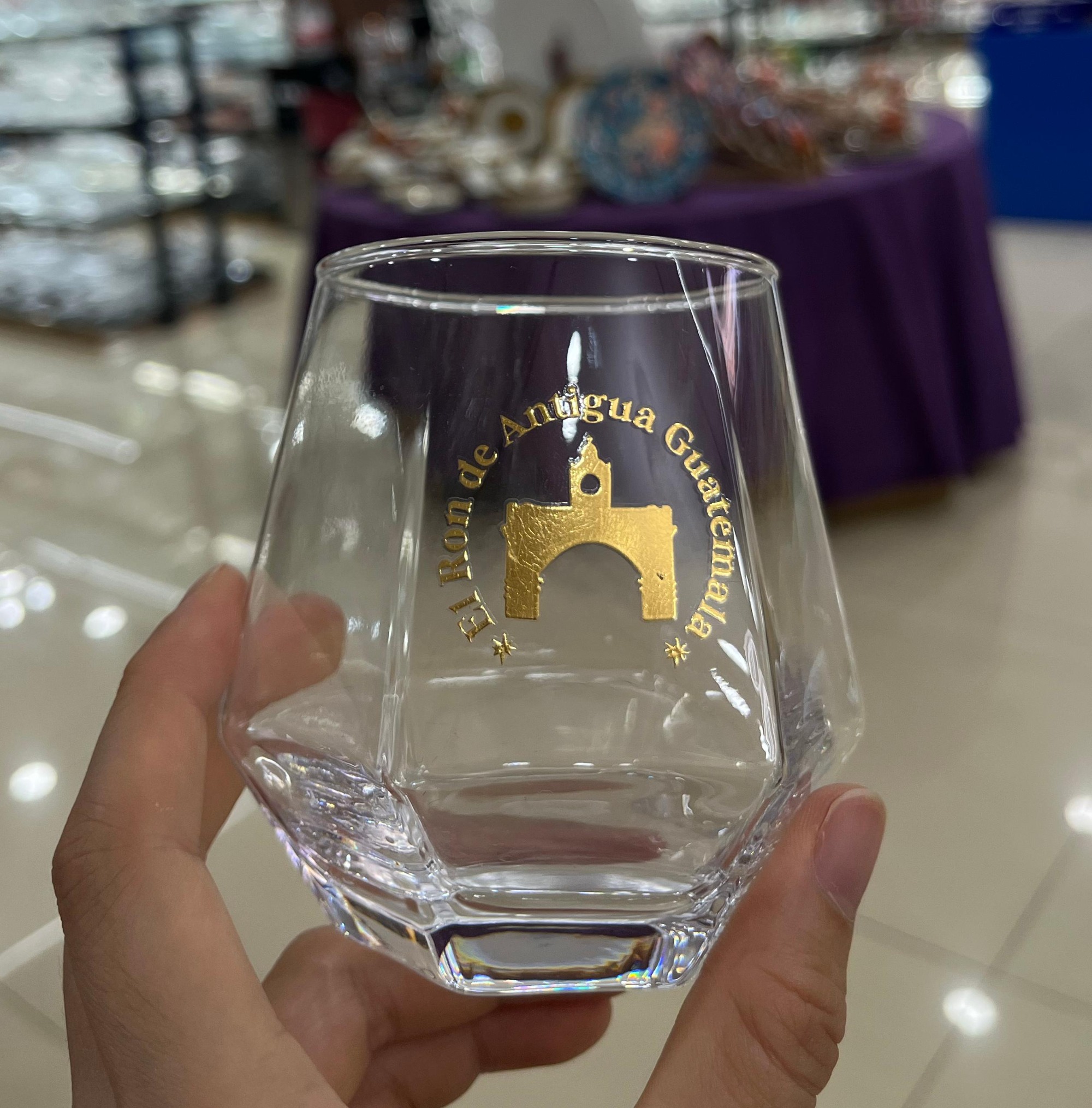
Aesthetics remain a key driver of current glassware popularity, with two contrasting design directions standing out. On one hand, minimalist and modern styles dominate, characterized by sleek silhouettes, clean lines and geometric-inspired shapes that complement contemporary interior designs. These versatile pieces seamlessly fit into both formal dinners and casual gatherings, emphasizing understated elegance. On the other hand, colored glassware has made a striking comeback, ranging from soft pastel tones like blush pink and sea foam green to bold jewel hues such as sapphire blue and emerald green. These vibrant options allow users to inject personality into their table settings, making them a favorite among social media enthusiasts and home entertainers aiming to create memorable visual moments.
Artisanal craftsmanship is another defining trend, as consumers increasingly seek uniqueness in mass-produced markets. Hand-blown glassware, with its subtle irregularities and handcrafted charm, has gained significant traction. Each piece carries the distinct touch of artisans, offering a sense of exclusivity that resonates with those craving one-of-a-kind items. This appreciation for craftsmanship is further amplified by collaborations between brands and local artisans, resulting in limited-edition collections that blend traditional techniques with modern design sensibilities.
Sustainability has become a non-negotiable factor in 2025’s glassware trends, driving innovations in materials and production processes. Eco-friendly glass alternatives, such as Lion Glass developed by Penn State University and Bormioli Luigi, are revolutionizing the industry. This new glass type melts at temperatures 400°C lower than conventional soda-lime glass, eliminating direct carbon dioxide emissions and boasting 10 times higher crack resistance. Additionally, lead-free crystal has captured 55% of the residential market share, as health-conscious consumers prioritize safe materials. Brands are also embracing recycled glass and designing products with easy disassembly for better recyclability, aligning with global efforts to reduce environmental impact.
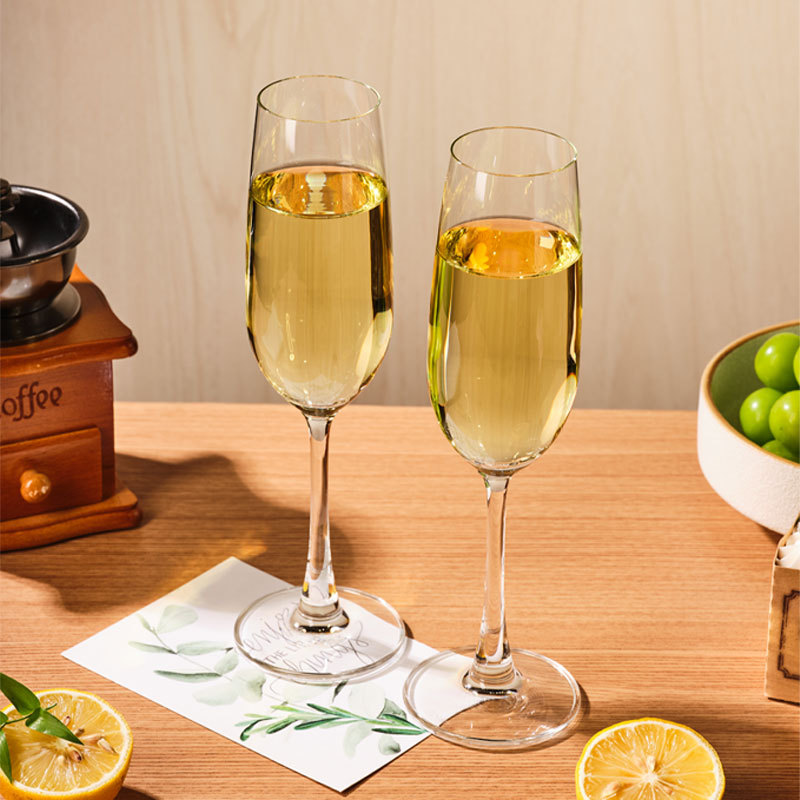
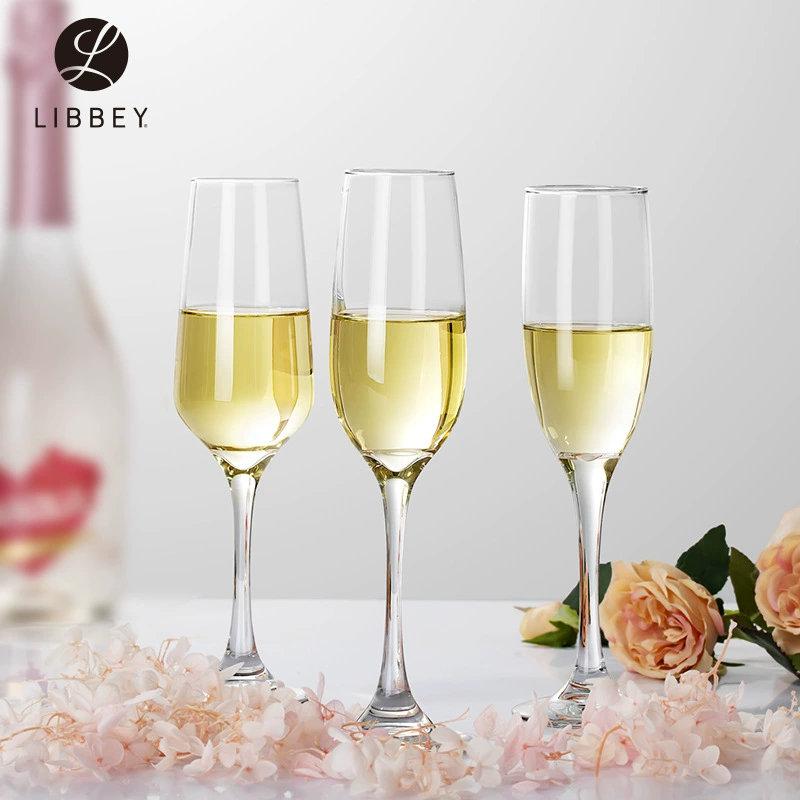
Functionality has not been overlooked amid aesthetic and sustainable pursuits. Versatility is key, with "all-round glasses" growing in popularity—these multi-purpose pieces can accommodate different wine styles, juices or soft drinks, saving space and simplifying dining experiences. For specialized needs, functional designs like red wine glasses with large bowls for aeration, white wine glasses with smaller bowls for temperature retention, and tall champagne flutes for preserving bubbles remain essential. Meanwhile, smart glassware innovations, such as temperature-adjustable cups and antibacterial options using nanotechnology, are emerging to cater to the growing demand for health-focused and convenient products.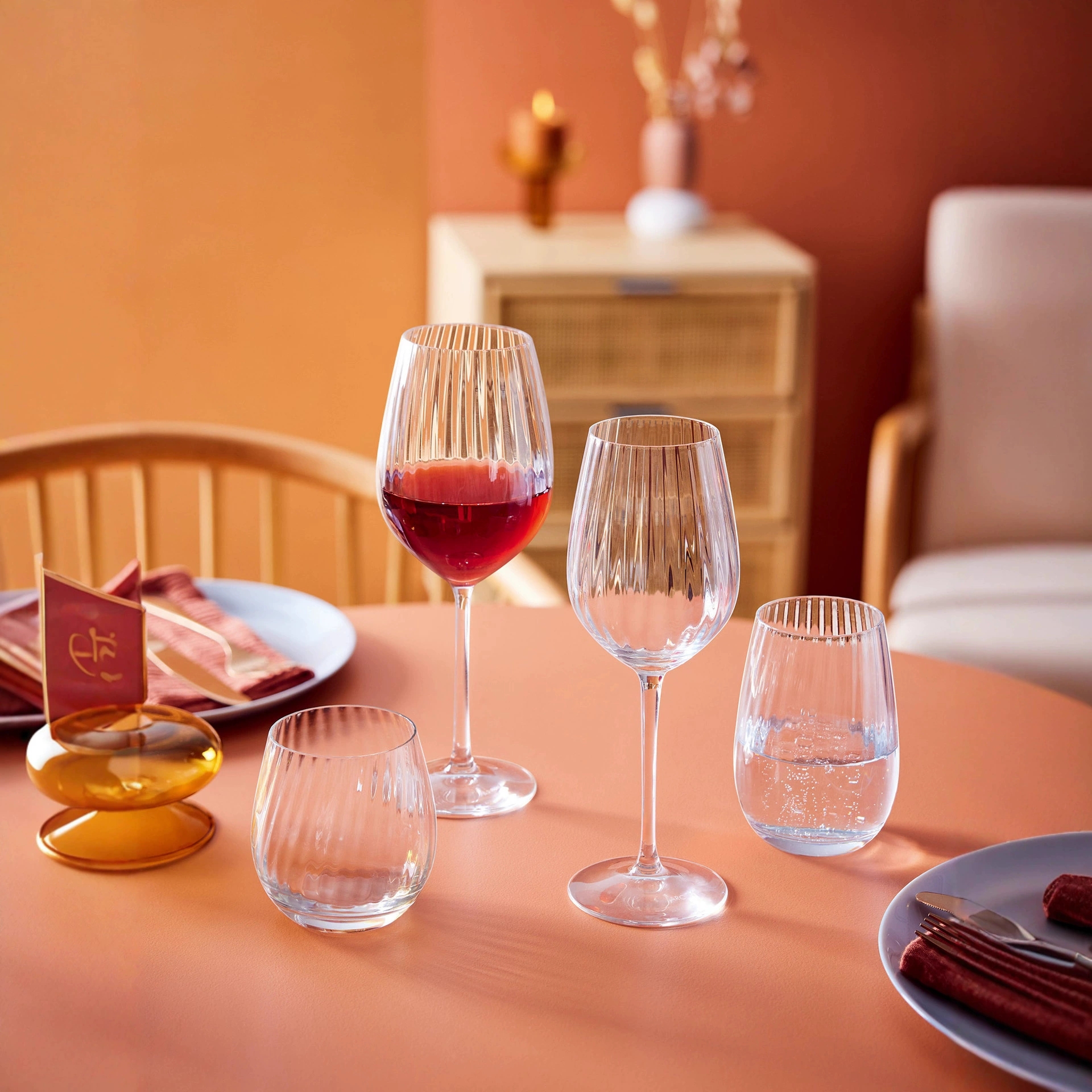
The rise of these trends is also fueled by changing consumer behaviors, with social media playing a pivotal role in creating viral glassware sensations. A slew of glassware products have become Internet-famous across platforms like TikTok, Xiaohongshu and Douyin, driving massive consumer engagement and sales. For instance, the -86℃ ultra-low temperature glass from a Shanghai coffee shop has sparked a nationwide checkout craze.
These glasses, pre-frozen in laboratory-grade refrigerators, create a frosty effect when filled with milk and hot espresso, offering a unique "ice and fire" sensory experience that has garnered millions of views online. Another hit is the CrunchCup double-walled oatmeal glass on TikTok, which features a separate inner cup for cereal and an outer cup for milk to keep the cereal crispy until consumption. Its single-handed operation and leak-proof design have resonated deeply with office workers and parents, with a single demonstration video racking up over 40 million views and nearly 3 million likes. Additionally, Hals' spring collection, including vibrant color-blocked tumblers and matte-finished floral tea glasses with dual drinking spouts, has become a favorite among young users for its "aesthetics + practicality" combo, flooding social feeds with user-generated "cup-sharing" content. E-commerce platforms account for 70% of crystal glassware sales in North America, and search interest in viral glassware peaks during holiday seasons, reflecting its popularity as a gift choice.
In 2025, popular glassware is more than just a functional item; it is a fusion of art, sustainability and lifestyle. Whether it’s a hand-blown pastel tumbler, an eco-friendly Lion Glass cup or a versatile all-round wine glass, these pieces tell a story of conscious consumption and personal expression. As the industry continues to innovate, glassware will undoubtedly remain a beloved element of modern living, bridging practicality with beauty in every sip.









Guangzhou HeXie Glass Co., Ltd.
Address: No. 22, Building 53, Haotai Hotel Supplies Expo City, Yingbin Road, Luopu Street, Panyu District, Guangzhou
Tel: +86-18011970645
Email: info@hexieglass.com
https://www.hexieglass.com