On the table before me stands a simple
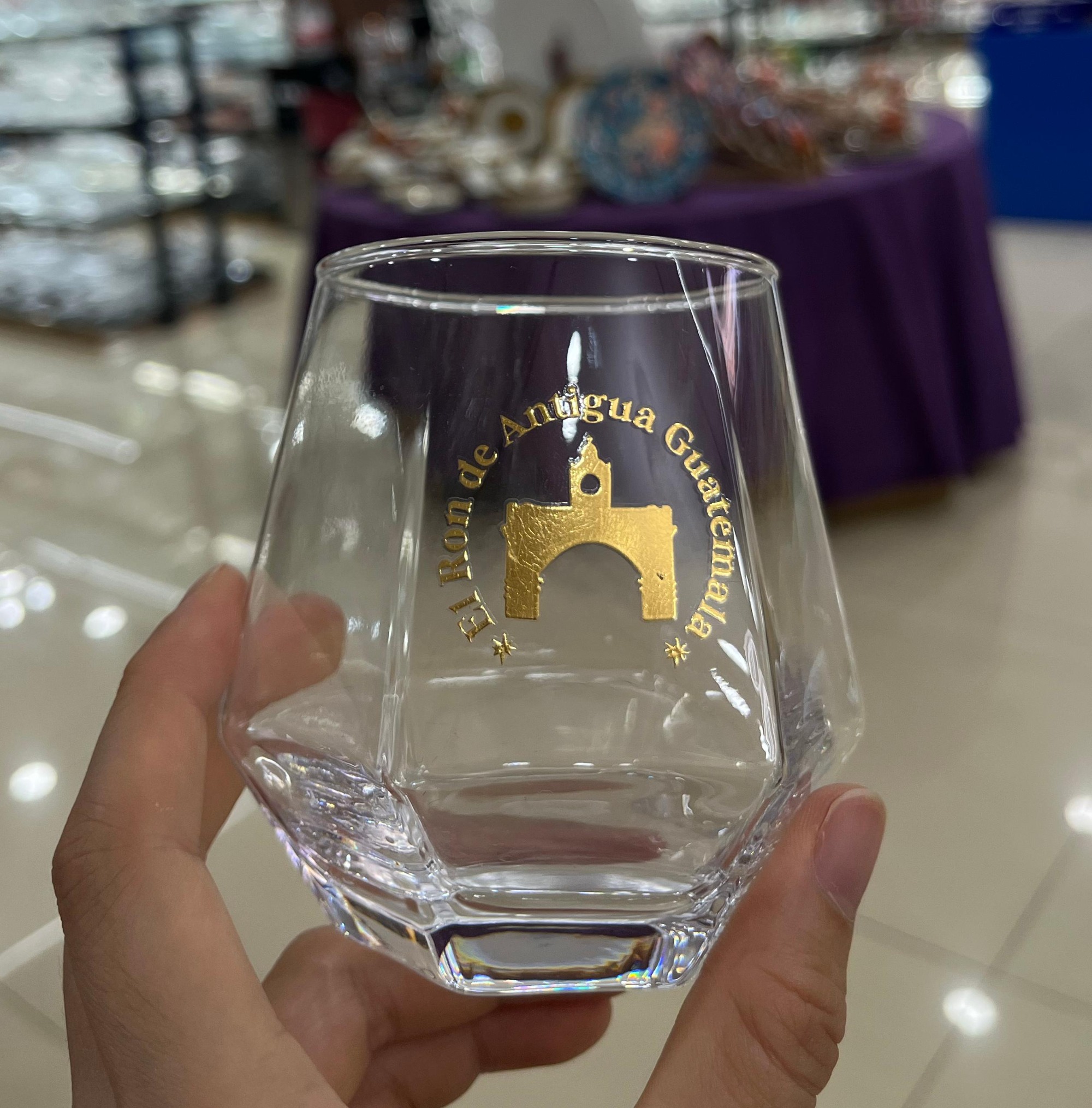
glass, half-filled with water. Morning light slants through the window, catches its rim, and fractures into a fleeting rainbow on the wooden surface. This is an object of profound mundanity, so common it borders on invisibility in our daily rituals. Yet, within its crystalline walls lies a captured universe—a testament to human ingenuity, a vessel for both substance and symbol.
The story of the glass begins in the fierce heat of the furnace, where sand, its primary essence, surrenders to transformation. Soda ash lowers its melting point, limestone grants durability, and together, in a crucible of roaring flames, they dissolve into a luminous, molten river. This alchemy—turning earth into a substance that holds light—is our first marvel. The craftsman, with blowpipe or mold, coaxes this glowing syrup into form. Each cup, even from an automated line, carries the echo of this ancient dance between fire and human breath, a lineage stretching back to the Phoenicians and perfected by Roman hands.
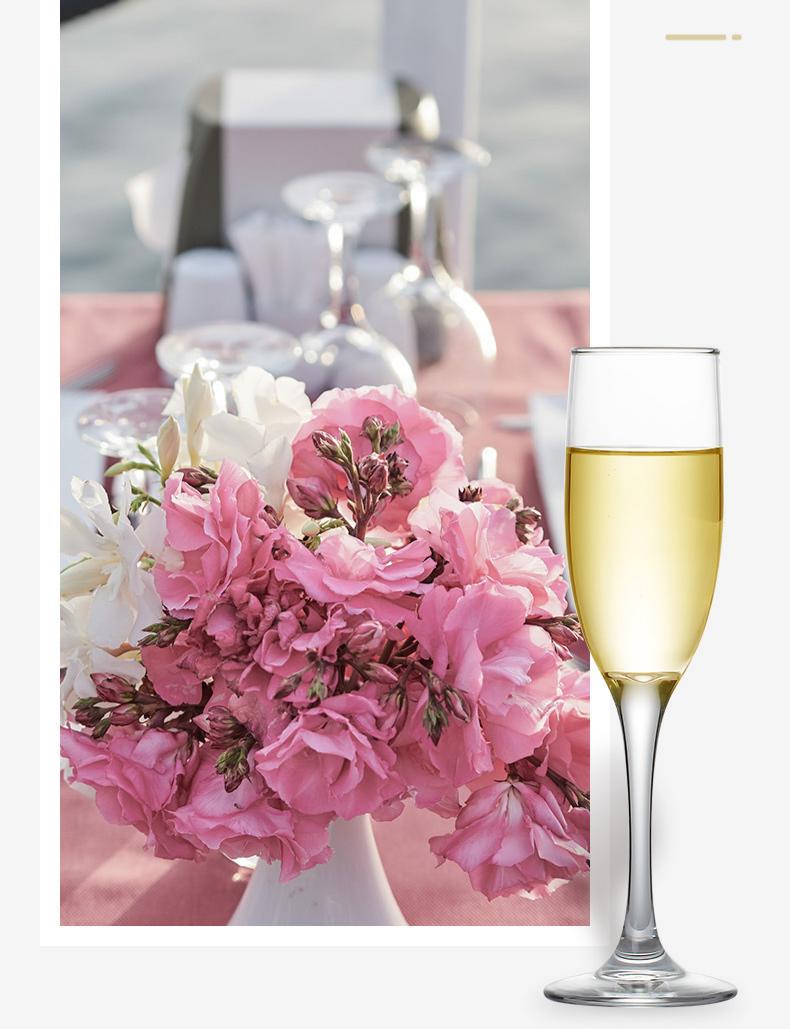
Its virtue is its paradox: solidity forged from liquid, strength paired with profound fragility. It offers no taste, no scent, no color of its own. It is the perfect host, committed to neutrality. This ethical transparency makes it the chosen vessel for water, wine, whisky, or medicine. It promises purity, becoming a silent guarantor of the liquid’s integrity. We trust the glass because it has nothing of itself to add.
But to see it only as a container is to miss half its poetry. A
glass is a lens, a prism, a sculptor of light. Water within it magnifies and distorts the table grain; a curve can bend a straight line into a merry wave. It holds reflections—ghostly, inverted worlds of the room hovering above the waterline. When struck gently, it sings a clear, high note, a vibration of its unique structure. It engages all senses: sight, touch, sound, even the chill on the lips becomes part of the experience of drinking.
This very transparency, however, is wedded to an ever-present vulnerability. The *ping* of crystal is followed by the heart-sinking *crash*. Its fragility is a memento mori, a whisper that things of clarity and beauty are often the most easily lost. We handle fine glass with care, a mindfulness we seldom afford to sturdier things. In its breakability lies a metaphor for human conditions—for trust, for peace, for delicate emotions that require guarding.
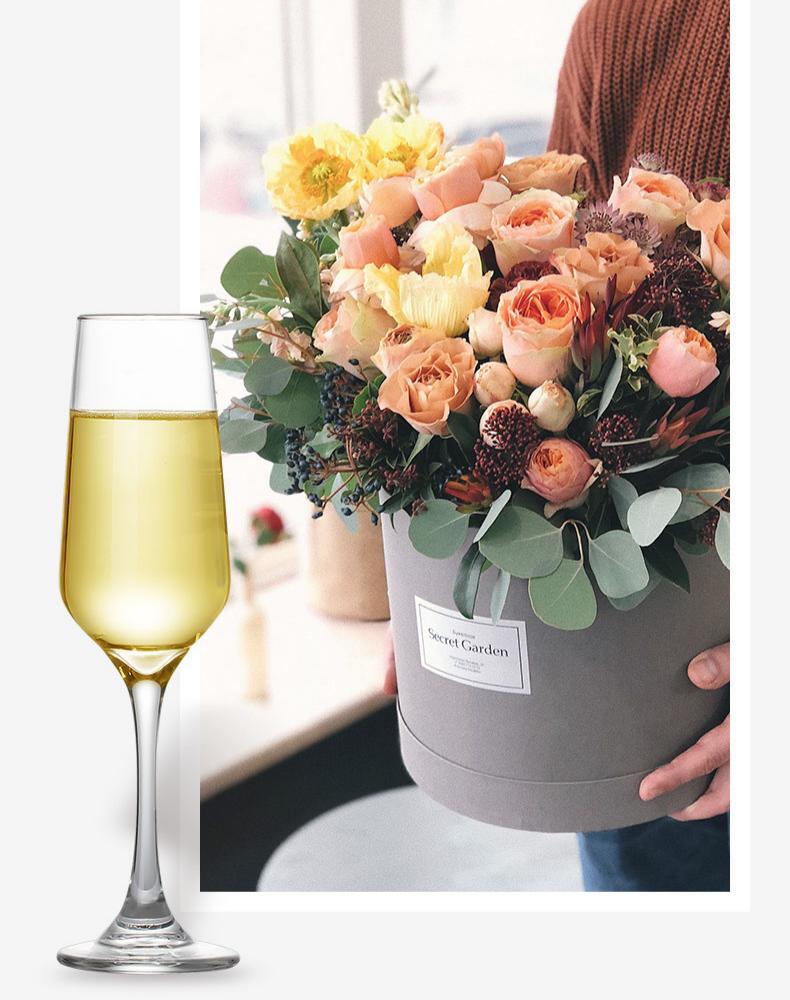
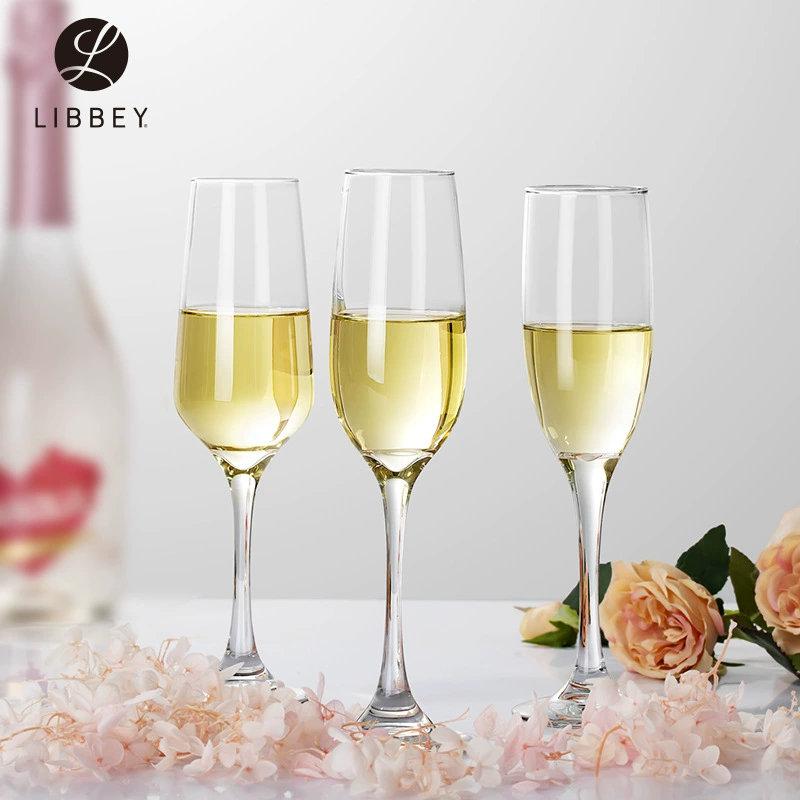
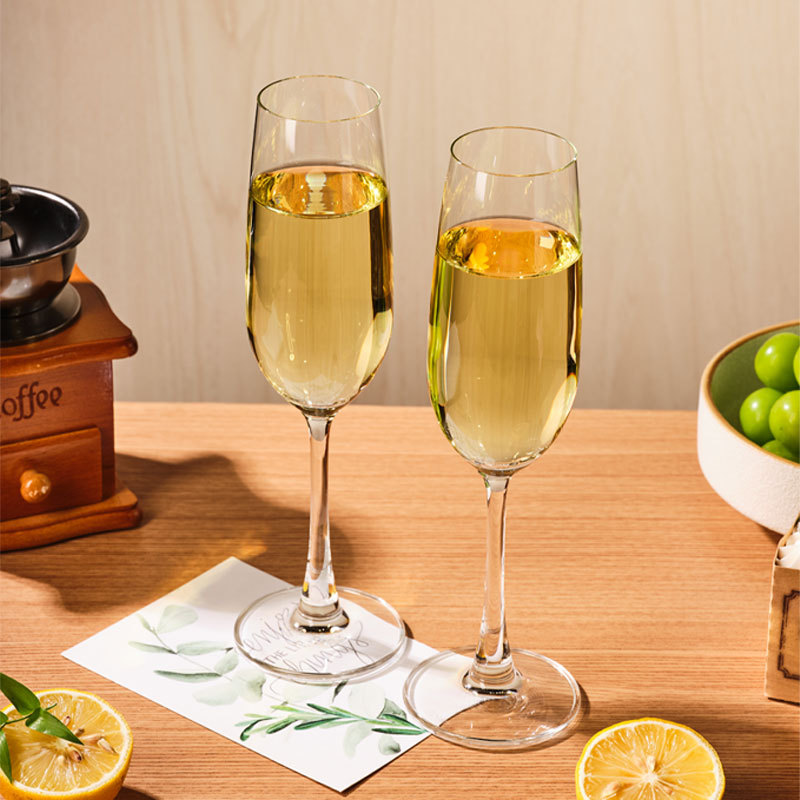
Culturally, the glass cup has evolved from luxury to democracy. In Renaissance paintings, a Venetian goblet signaled immense wealth. Today, a stack of tumblers in a diner speaks of accessibility and shared humanity. Yet, a thin-walled, stemmed glass for fine wine still elevates a ritual, its design directing the aroma, its clarity showcasing the color. The object adapts, from the rustic jam jar to the precision of laboratory beakers, each form following a function, each shape telling a story of its intended use.
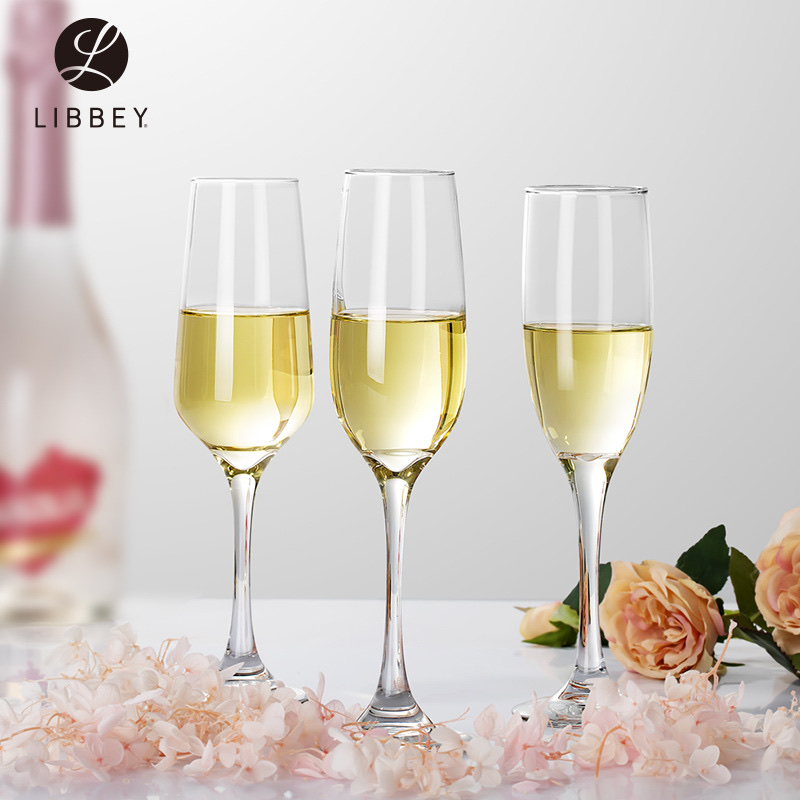
Ultimately, the humble
glass cup is a quiet philosopher on our table. It teaches us about clarity—the courage to be seen through without disguise. It teaches us about service—holding space for others without imposing the self. And it teaches us about presence. In our rush, we drink and forget the vessel. But in a moment of pause, we might see it anew: the way it gathers light to its center, the cool weight in the palm, the liquid jewel it presents.
To lift a glass is to participate in a history of science and art. It is to hold a shaped piece of the ancient earth, refined by fire, animated by light. It is, in its silent, steadfast way, a reminder that the most ordinary things, when observed with a moment’s attention, can reveal extraordinary depths. It contains more than water; it contains reflections of our own world—clear, fragile, and momentarily, beautifully held.