29August 2025
0Comments
632Views
29August 2025
0Comments
632Views
The relationship between a wine glass and the wine it holds is far more than a matter of aesthetics—it is a partnership that shapes how we perceive flavor, aroma, and texture. A well-chosen glass does not merely “hold” wine; it elevates it, unlocking hidden notes, softening harsh tannins, and amplifying delicate fragrances that might otherwise go unnoticed. For wine enthusiasts, understanding which glasses best suit different wines is key to unlocking the full potential of every bottle. This article explores the science behind wine glass design, breaks down the best glass types for major wine categories, and offers practical tips to help you build a collection that enhances your wine-drinking experience.
At first glance, wine glasses may seem like simple vessels, but their design is rooted in decades of research into sensory perception. Every element—from the bowl’s size and shape to the rim’s thickness and the stem’s length—serves a specific purpose, all aimed at optimizing how wine interacts with air and how it reaches your palate.
The bowl is the most critical part of the glass, as it directly impacts aeration and aroma concentration. When wine is swirled in the bowl, it comes into contact with oxygen, a process called “breathing.” This exposure softens tannins in red wines (making them smoother) and releases volatile compounds that carry the wine’s aroma. A larger bowl provides more surface area for aeration, while a smaller bowl limits oxygen contact—ideal for preserving the crispness of white wines. The bowl’s curvature also plays a role: a rounded bowl traps aromas near the rim, guiding them toward your nose, while a straighter bowl allows scents to disperse more gently.
The rim of the glass affects how wine flows onto the tongue. A thin, slightly flared rim directs wine to specific areas of the palate, where different tastes (sweetness, acidity, bitterness) are most sensitive. For example, a flared rim might send red wine to the front of the tongue (where sweetness is detected), balancing its tannins, while a narrower, more upright rim could channel white wine to the sides (highlighting acidity). Thick rims, by contrast, can block aroma and create a clunky sensation on the lips, detracting from the experience.
The stem serves two practical functions: it keeps your hand away from the bowl (preventing body heat from warming the wine) and provides a stable grip for swirling. A longer stem is often preferred for red wines (which benefit from more swirling) and formal settings, while a shorter stem may be more practical for casual use or sparkling wines (where stability is key to avoiding spills).
Finally, the base of the glass ensures stability—no one wants a wobbly glass mid-sip. A wider base reduces the risk of tipping, especially when the glass is filled or being swirled.
Red wines vary widely in style, from full-bodied, tannin-rich Cabernet Sauvignon to light, fruity Pinot Noir—and each requires a glass that complements its unique characteristics.
Full-bodied red wines need glasses that maximize aeration to soften their firm tannins and release their complex aromas (think blackcurrant, leather, and spice). The ideal glass for these wines has a large, wide bowl (18–24 ounces) with a slightly tapered top. The wide bowl allows for generous swirling, exposing the wine to plenty of oxygen, while the taper traps aromas near the rim. A classic example is the “Bordeaux glass,” designed specifically for wines from France’s Bordeaux region (which are often Cabernet Sauvignon or Merlot blends). The tall, broad bowl of a Bordeaux glass gives the wine room to breathe, and its flared rim directs the wine to the back of the tongue, where bitterness (from tannins) is less sensitive—creating a smoother, more balanced sip.
Medium-bodied red wines strike a balance between tannins and fruit, with aromas that range from red berry (in Merlot) to earthy (in Sangiovese). These wines benefit from a glass with a medium-sized bowl (14–18 ounces) that is slightly more rounded than a Bordeaux glass. The “Burgundy glass” is a perfect match here: its wide, rounded bowl allows for moderate aeration, while its shape emphasizes the wine’s fruity notes and softens mild tannins. Unlike the Bordeaux glass, the Burgundy glass has a more open rim, which sends the wine to the front and sides of the tongue—highlighting sweetness and acidity, respectively. This makes it ideal for wines like Merlot (which is fruit-forward) or Chianti (a Sangiovese-based wine with bright acidity).
Light-bodied red wines are delicate, with subtle aromas (like cherry, rose, and mushroom) and low tannins. They require a glass that preserves their fragility—too much aeration can cause their flavors to fade. The best glass for these wines is a smaller, narrower bowl (12–16 ounces) with a gently rounded shape. A specialized “Pinot Noir glass” is designed for this purpose: its compact bowl limits oxygen exposure, while its narrow rim concentrates the wine’s delicate aromas. The shape also directs the wine to the tip of the tongue, where sweetness is most pronounced, enhancing the wine’s fruity character. For casual drinking, a small Burgundy glass can also work, but avoid large bowls that will over-aerate the wine.
White wines are often lighter and more acidic than red wines, and their glasses are designed to preserve their crispness and highlight their aromatic profiles.
Crisp white wines are known for their bright acidity and fresh aromas (citrus, green apple, floral notes). They need glasses that minimize aeration (to keep them crisp) and concentrate their delicate scents. The ideal glass has a small, narrow bowl (8–12 ounces) with a slight taper. A “Sauvignon Blanc glass” or “Riesling glass” fits this description: its small size limits oxygen contact, while its narrow shape traps aromas near the rim. The rim is often slightly flared, directing the wine to the sides of the tongue—where acidity is detected—allowing you to fully appreciate the wine’s zesty character. For example, a Sauvignon Blanc from New Zealand (with its grassy, citrusy notes) shines in this glass, as the design keeps it cool and bright.
Aromatic white wines are bold in scent, with intense notes of lychee (Gewürztraminer), peach (Viognier), or tropical fruit (Albariño). These wines need a glass that amplifies their aromas without overwhelming their delicate flavor. The best choice is a medium-sized bowl (10–14 ounces) with a wide rim. The “Gewürztraminer glass” is a great option: its slightly wider bowl allows for gentle aeration, while its wide rim releases the wine’s intense fragrances. The shape also directs the wine to the front of the tongue, balancing the wine’s natural sweetness (many aromatic whites have a hint of residual sugar) with its acidity. This ensures that you taste both the fruit and the freshness, rather than just sweetness.
Oaked white wines (like Chardonnay aged in oak barrels) are richer and creamier, with notes of vanilla, butter, and toast. They benefit from a glass that allows for moderate aeration to soften their buttery texture and release their complex aromas. The ideal glass has a medium-sized, rounded bowl (12–16 ounces) with a slightly tapered rim. A “Chardonnay glass” is designed for this: its rounded bowl provides enough surface area for aeration, while its taper traps the wine’s oaky notes. The rim is often more upright than that of a crisp white wine glass, directing the wine to the middle of the tongue—where you can taste both the creaminess and the underlying acidity. This balance is key for oaked Chardonnays, which can taste heavy if their acidity is not highlighted.
Sparkling wines rely on their bubbles for texture and excitement, so their glasses must preserve these bubbles while enhancing their aroma and flavor.
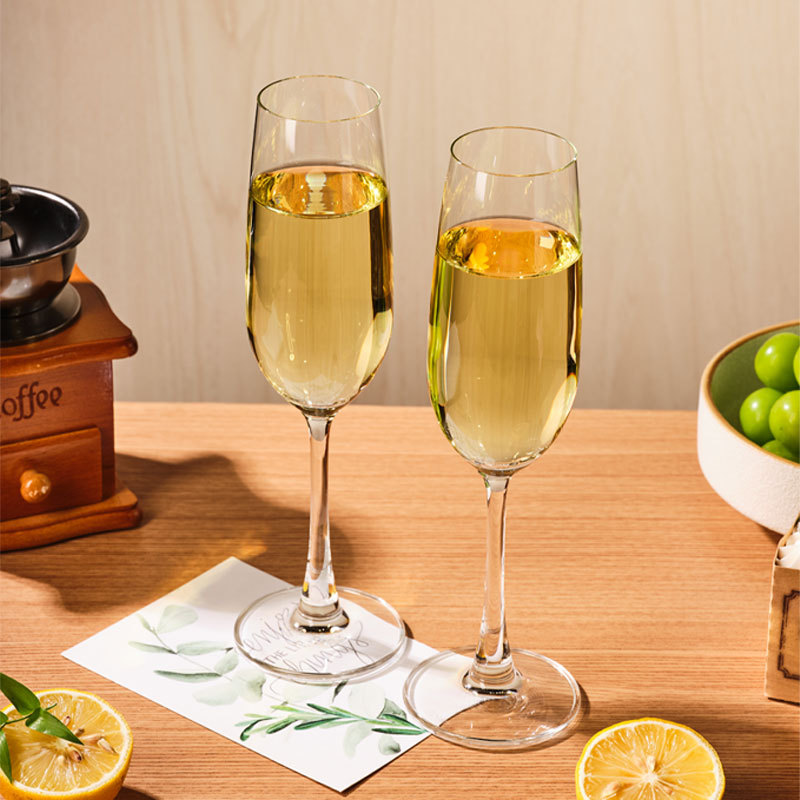
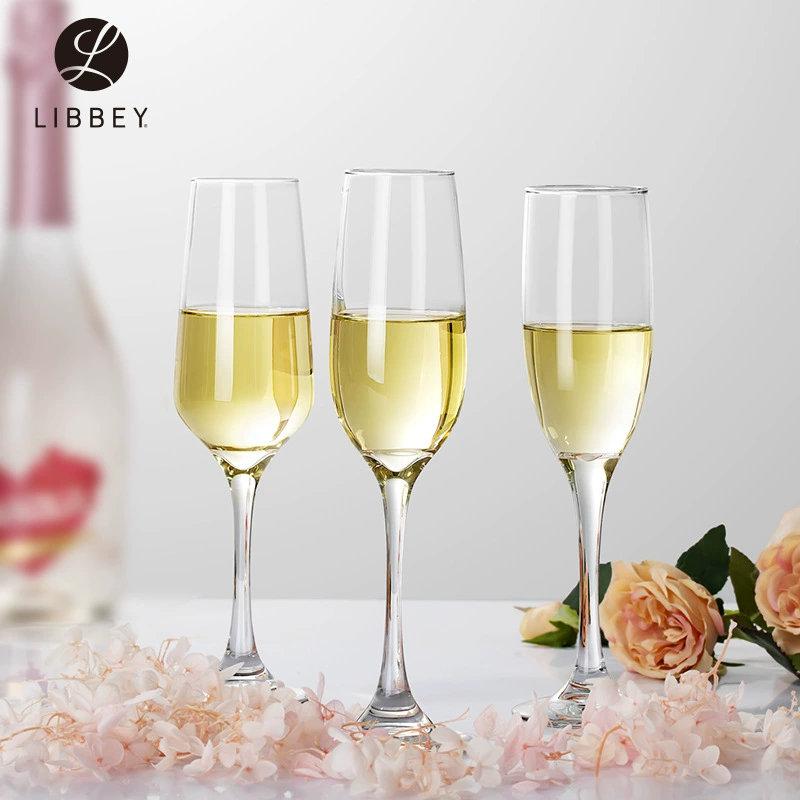
The classic choice for sparkling wine is the flute: a tall, narrow glass with a long stem and a small bowl (6–8 ounces). The flute’s narrow shape keeps bubbles rising to the top (bubbles form at the base of the glass and rise in a steady stream), creating a visually stunning display. It also limits oxygen contact, preserving the wine’s crispness, and traps aromas (like citrus, apple, or yeast) near the rim. For Champagne (which is often complex and yeasty), a flute is ideal—it allows you to savor the bubbles and the wine’s subtle notes without dilution.
However, in recent years, the coupe has made a comeback for certain sparkling wines. The coupe is a shallow, wide-bowled glass with a short stem (similar to a cocktail glass). While it does not preserve bubbles as well as a flute (bubbles dissipate faster in a wide bowl), it allows for more aeration, which can enhance the aroma of fruity sparkling wines like Prosecco or Cava. The coupe’s wide rim also makes it easier to sip, making it a popular choice for casual gatherings or cocktails (like a Kir Royale). If you prefer aroma over bubble longevity, a coupe is a great option—but for Champagne or high-end sparkling wines, stick with a flute.
You do not need a closet full of specialized glasses to enjoy wine—but having a few key types can significantly enhance your experience. Here are some tips to help you choose:
If you are new to wine glasses, begin with three essential types:
This set will cover most wines you are likely to drink, from Cabernet Sauvignon to Chardonnay to Champagne.
Invest in a few high-quality glasses rather than a dozen cheap ones. Look for glasses made from lead-free crystal or high-quality glass—these materials are thinner, clearer, and more durable than low-grade glass. Thin rims are especially important, as they feel more elegant on the lips and do not block aroma. Brands like Riedel, Schott Zwiesel, and Spiegelau are known for their quality, but there are also affordable options (like Libbey or Villeroy & Boch) that offer good performance.
If you have kids or frequently host casual gatherings, opt for stemless wine glasses. Stemless glasses are more stable (less likely to tip) and easier to clean, making them practical for everyday use. They work well for light-bodied reds and white wines, though they are not ideal for full-bodied reds (since your hand will warm the bowl) or sparkling wines (since they lack the height to preserve bubbles).
While specialized glasses can enhance wine, they are not a requirement. A good all-purpose wine glass (with a medium-sized bowl and thin rim) can work for most wines, especially if you are drinking casually. The most important thing is to choose a glass that feels comfortable to hold and allows you to enjoy the wine—if a specialized glass feels too fussy, stick with what you love.
The best wine glass for any wine is one that complements its unique characteristics—whether that means a large bowl for aerating a bold Cabernet Sauvignon, a narrow flute for preserving Champagne’s bubbles, or a small bowl for highlighting a delicate Pinot Noir. By understanding how glass design impacts flavor and aroma, you can choose glasses that elevate every sip, turning a simple glass of wine into a memorable experience.
Remember, wine is meant to be enjoyed—not overcomplicated. While specialized glasses can enhance your experience, the most important thing is to drink wine in a way that brings you joy. Whether you are sipping a glass of Prosecco from a coupe at a party or enjoying a Cabernet Sauvignon from a Bordeaux glass at home, the right glass will help you savor every note, every aroma, and every moment. So raise your glass—cheers to the perfect pairing of wine and glass!








Guangzhou HeXie Glass Co., Ltd.
Address: No. 22, Building 53, Haotai Hotel Supplies Expo City, Yingbin Road, Luopu Street, Panyu District, Guangzhou
Tel: +86-18011970645
Email: info@hexieglass.com
https://www.hexieglass.com