Wine, often referred to as the "nectar of the gods," has a rich cultural heritage that spans thousands of years. As an integral part of wine tasting, wine glasses play a crucial role in enhancing the overall experience. While both red wine glasses and white wine glasses are designed to serve wine, they possess distinct characteristics that are tailored to the unique qualities of each type of wine. Understanding these differences can significantly elevate one's appreciation and enjoyment of wine.
Bowl Shape and SizeOne of the most noticeable differences between red and white wine glasses lies in their bowl shape and size.
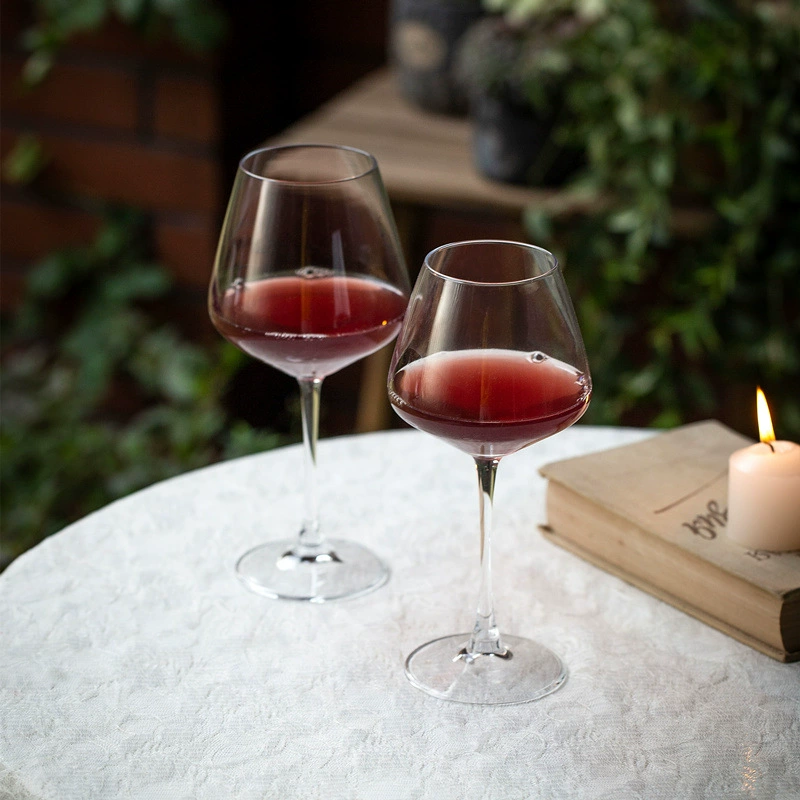
Red wine glasses typically feature larger bowls with a wider opening. The larger bowl provides ample surface area, allowing the wine to come into contact with more air. This process, known as aeration, is essential for red wines as it helps to release their complex aromas and soften tannins. The wider opening also facilitates the swirling motion, which further enhances aeration and allows the drinker to fully appreciate the wine's bouquet.
In contrast, white wine glasses have smaller bowls with a narrower opening. White wines are generally more delicate and aromatic than red wines, and the smaller bowl helps to concentrate the wine's aromas, preventing them from dissipating too quickly. The narrower opening also reduces the wine's exposure to air, preserving its freshness and preventing premature oxidation. This is particularly important for light-bodied white wines, which can lose their vibrant flavors and aromas if exposed to too much air.
 Stem Length
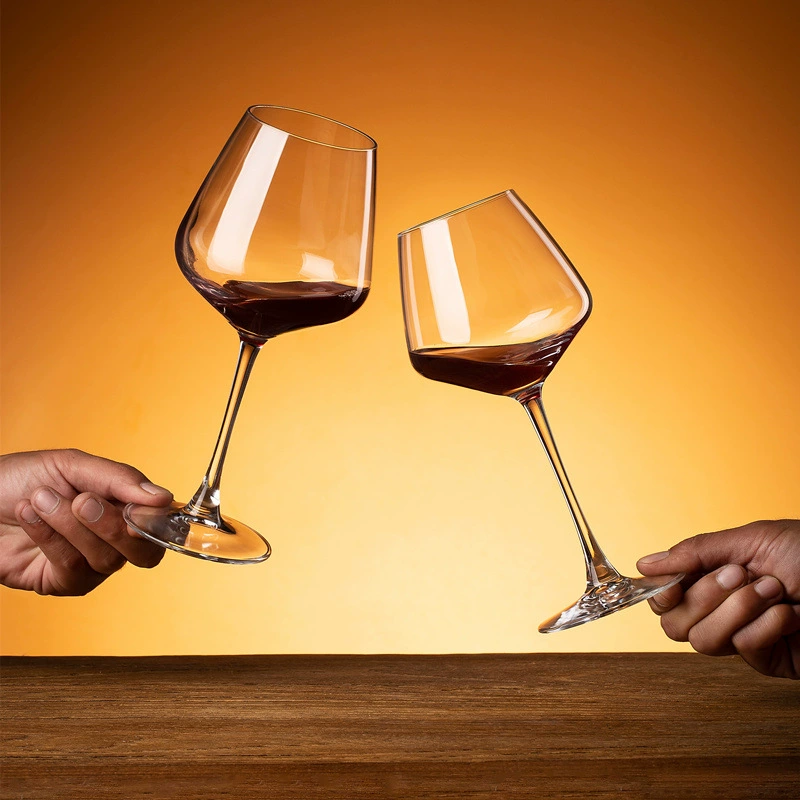
The stem length of wine glasses is another important factor to consider. Red wine glasses usually have longer stems compared to white wine glasses. The longer stem allows the drinker to hold the glass by the stem without touching the bowl, preventing the transfer of body heat to the wine. Red wines are typically served at slightly warmer temperatures than white wines, and excessive heat can cause the wine to lose its structure and complexity. By holding the glass by the stem, the drinker can maintain the wine's optimal serving temperature and preserve its flavors and aromas.
White wine glasses, on the other hand, often have shorter stems. White wines are typically served chilled, and the shorter stem allows the drinker to hold the glass closer to the bowl, which helps to keep the wine cool. Additionally, the shorter stem makes the glass more stable and easier to handle, especially when serving sparkling wines or other effervescent beverages.
Bowl ThicknessThe thickness of the bowl is another distinguishing feature between red and white wine glasses. Red wine glasses usually have thicker bowls compared to white wine glasses. The thicker bowl provides greater durability and stability, making the glass less likely to break or chip. This is particularly important for red wines, which are often served in larger quantities and may require more swirling and agitation.
White wine glasses, on the other hand, typically have thinner bowls. The thinner bowl allows the drinker to better appreciate the wine's clarity and color, as well as its texture and mouthfeel. Additionally, the thinner bowl provides a more delicate and refined drinking experience, which is well-suited to the subtle flavors and aromas of white wines.
Glassware Design and AestheticsIn addition to their functional differences, red and white wine glasses also vary in terms of their design and aesthetics. Red wine glasses often have a more robust and masculine appearance, with thicker stems and larger bowls. The design of red wine glasses is intended to reflect the bold and complex flavors of red wines, as well as their rich and vibrant colors.
White wine glasses, on the other hand, tend to have a more elegant and feminine appearance, with thinner stems and smaller bowls. The design of white wine glasses is intended to complement the delicate and refreshing flavors of white wines, as well as their pale and translucent colors.
 Conclusion
In conclusion, red wine glasses and white wine glasses are designed with specific characteristics that are tailored to the unique qualities of each type of wine. Understanding these differences can significantly enhance one's appreciation and enjoyment of wine. Whether you are a seasoned wine connoisseur or a casual wine drinker, investing in high-quality wine glasses can make a world of difference in your wine tasting experience. So, the next time you reach for a glass of wine, take a moment to appreciate the design and functionality of your glassware, and savor the flavors and aromas of your favorite wine in style.


 11July 2025
0Comments
569Views
11July 2025
0Comments
569Views