18September 2025
0Comments
513Views
18September 2025
0Comments
513Views
In the world of tableware and home decor, spray-painted glass cups stand out as vibrant, versatile pieces that blend functionality with artistic expression. Unlike plain glass or even colored glass made by mixing pigments during production, spray-painted glass cups undergo a post-manufacturing process that adds color, patterns, and personality to their surfaces. This unique approach not only allows for endless design possibilities but also caters to diverse consumer tastes, making them a popular choice for everyday use, gifting, and event styling. To truly appreciate these cups, it is essential to explore their production process, design diversity, practical benefits, potential considerations, and cultural significance.
The production of spray-painted glass cups is a meticulous process that combines technical precision with creative flair, ensuring both aesthetic appeal and durability (to a reasonable extent). It begins with the selection of high-quality plain glass cups—typically made from soda-lime glass or borosilicate glass, chosen for their smooth surfaces and ability to hold paint well. Before spraying, the glass cups undergo a thorough cleaning process: they are washed with mild detergents to remove dust, oil, or any manufacturing residues, then rinsed and dried completely. This step is critical because even tiny impurities can cause the paint to peel or bubble later. Some manufacturers also add a light sanding or priming step to the glass surface; sanding creates a slightly rough texture that helps the paint adhere better, while a clear primer acts as a bonding agent between the glass and the colored paint, enhancing longevity.
Once the cups are prepared, the spraying process begins. Skilled artisans or automated spray machines apply layers of specialized glass paint—usually acrylic-based or enamel-based formulations. Acrylic glass paints are popular for their quick drying time, wide range of bright colors, and low toxicity, making them suitable for cups used with cold or room-temperature beverages. Enamel paints, on the other hand, are more durable and heat-resistant; when cured properly (often by baking the cups at a low temperature, around 150–200°C), they form a hard, scratch-resistant coating that can withstand occasional use with warm drinks. The spraying technique varies depending on the desired design: for solid colors, a uniform layer of paint is applied in thin, even coats (multiple thin coats are better than one thick coat, as they dry faster and reduce drips). For patterns—such as stripes, polka dots, gradients, or even intricate illustrations—artisans may use stencils, tape, or freehand spraying. Stencils allow for precise, repeatable designs, while freehand spraying showcases the artist’s creativity, resulting in one-of-a-kind pieces. After spraying, the cups are left to dry at room temperature or cured in an oven, depending on the paint type, to set the color and ensure adhesion. A final clear topcoat is often added to protect the design from scratches, fading, or damage during washing, further extending the cup’s lifespan.
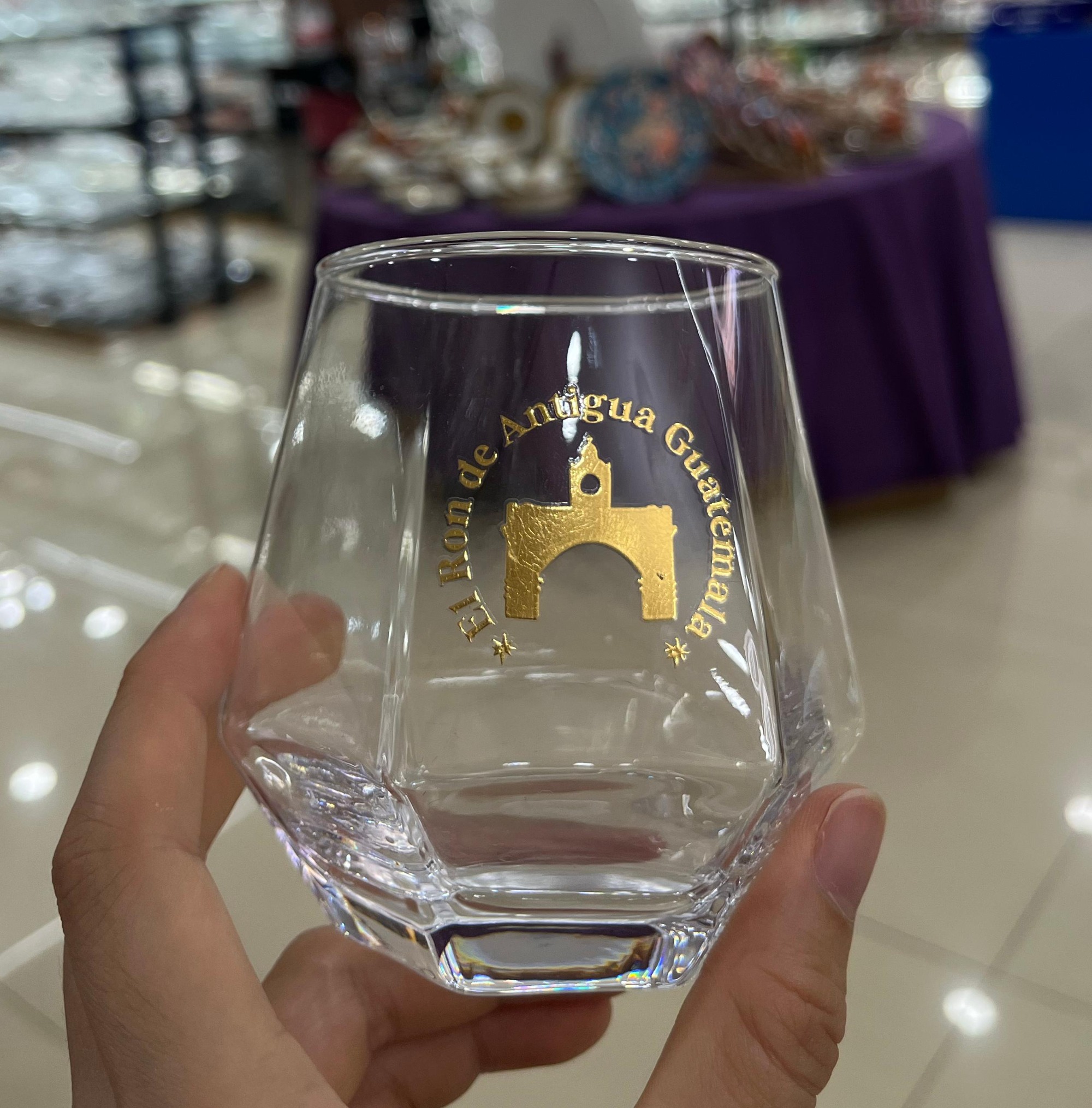
One of the most compelling aspects of spray-painted glass cups is their design diversity, which makes them adaptable to almost any style or occasion. In terms of color, they range from soft pastels (like blush pink, mint green, and lavender) that add a gentle touch to home kitchens, to bold, neon hues (such as electric blue, hot pink, and orange) that make a statement at parties or outdoor gatherings. Gradient designs—where colors blend seamlessly from one shade to another—are particularly trendy, offering a modern, sophisticated look that complements contemporary home decor. Patterns are equally varied: minimalist designs (like a single stripe around the rim or a small geometric shape on the side) appeal to those who prefer understated elegance, while playful patterns (like floral prints, animal motifs, or abstract splatters) cater to a more whimsical taste. Personalized spray-painted cups are also in high demand; many manufacturers offer custom designs, allowing customers to add names, initials, special dates (like birthdays or anniversaries), or even photos to the cups. These personalized pieces make thoughtful gifts for weddings, housewarmings, or holidays, as they carry sentimental value beyond their functional use.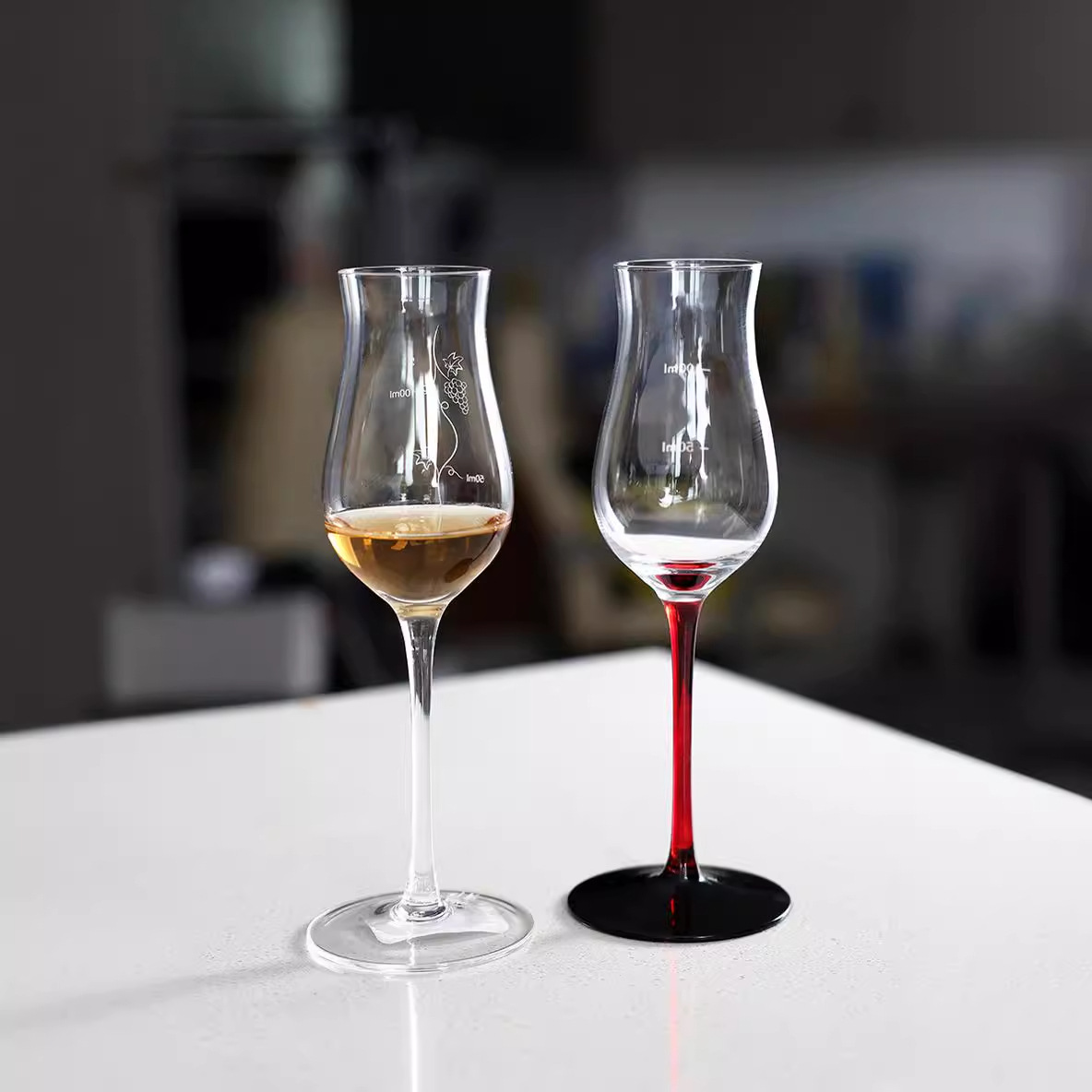
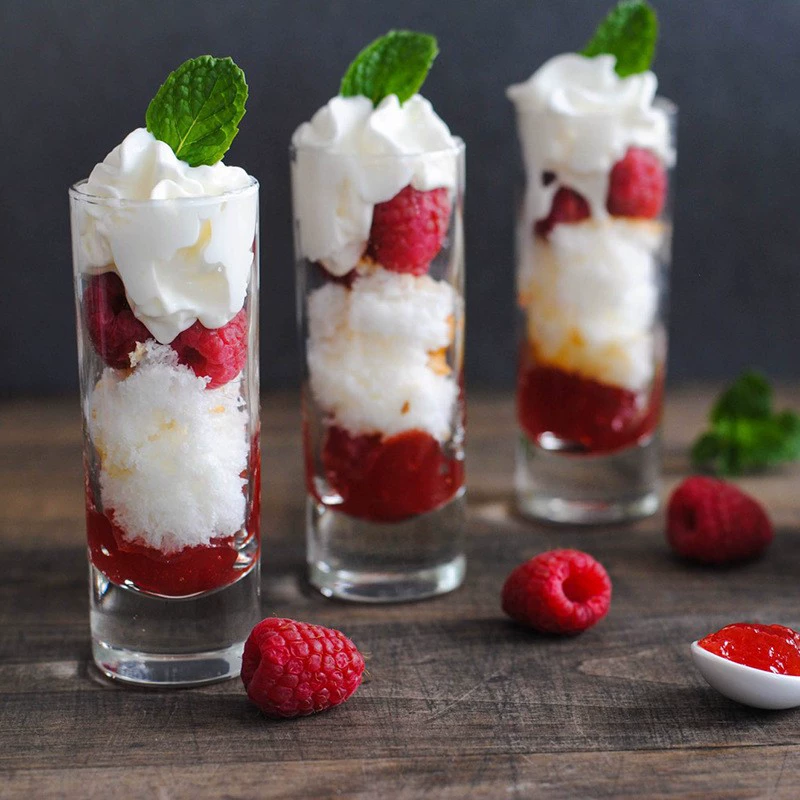
Beyond their visual appeal, spray-painted glass cups offer several practical benefits that contribute to their popularity. First, they are lightweight and easy to handle, just like plain glass cups, making them suitable for daily use. Unlike plastic cups, they do not leach harmful chemicals into beverages, even when exposed to sunlight or warm temperatures (especially if made with food-safe, non-toxic paints). They are also reusable, aligning with the growing consumer trend toward sustainable living; by choosing spray-painted glass cups over disposable options, users reduce plastic waste and minimize their environmental footprint. Additionally, these cups are versatile in terms of usage: they can be used for serving water, juice, iced coffee, smoothies, cocktails, or even desserts like parfaits or ice cream. Their decorative nature also means they double as home decor—when not in use, they can be displayed on open shelves or hanging racks, adding a pop of color to kitchens, dining rooms, or bars.
However, it is important to consider some practical limitations of spray-painted glass cups to ensure proper use and maintenance. The most significant consideration is the durability of the paint coating. While high-quality paints and topcoats can withstand regular use, the paint is still applied to the surface (rather than being mixed into the glass itself, like primary color glass). This means that rough handling—such as scraping with metal utensils, dropping the cup, or using abrasive sponges during washing—can cause the paint to scratch, chip, or peel over time. Most spray-painted glass cups are not dishwasher-safe, as the high temperatures and harsh detergents in dishwashers can break down the paint and topcoat. Instead, they require hand washing with mild soap and a soft sponge, followed by gentle drying with a lint-free cloth. Heat resistance is another factor: acrylic-painted cups should not be used with boiling water or placed in microwaves, as the heat can cause the paint to bubble or release fumes. Enamel-painted cups (when properly cured) are more heat-resistant but still should not be exposed to extreme temperatures. Consumers should always check the manufacturer’s care instructions before using the cups with warm or hot beverages.
Culturally, spray-painted glass cups reflect a broader trend of “artisanal everyday objects”—items that turn mundane tasks (like drinking water) into small moments of joy. In a world where mass-produced, plain tableware dominates, these cups offer a way for individuals to express their personality and style through everyday items. They also support small-scale artisans and independent designers, many of whom create hand-sprayed cups with unique, handcrafted details. For example, in countries like Mexico, artisans use spray-painting techniques to add vibrant, traditional patterns (inspired by Mexican folk art) to glass cups, turning them into cultural artifacts that celebrate heritage. In urban centers around the world, independent makers sell custom spray-painted cups at craft fairs or online, catering to consumers who value individuality and sustainability over mass-produced goods.
In conclusion, spray-painted glass cups are more than just functional tableware—they are a fusion of art and utility, offering endless design possibilities, practical benefits, and cultural significance. Their production process combines technical skill with creativity, resulting in pieces that are both visually appealing and functional. While they require careful maintenance to preserve their design, their ability to add color, personality, and style to everyday life makes them a beloved choice for consumers worldwide. Whether used for daily use, gifting, or decor, spray-painted glass cups prove that even the simplest objects can be transformed into works of art, enhancing the beauty of ordinary moments. As consumer demand for sustainable, personalized, and aesthetically pleasing products continues to grow, spray-painted glass cups are sure to remain a staple in homes, events, and the broader world of tableware design.










Guangzhou HeXie Glass Co., Ltd.
Address: No. 22, Building 53, Haotai Hotel Supplies Expo City, Yingbin Road, Luopu Street, Panyu District, Guangzhou
Tel: +86-18011970645
Email: info@hexieglass.com
https://www.hexieglass.com