20May 2025
0Comments
571Views
20May 2025
0Comments
571Views
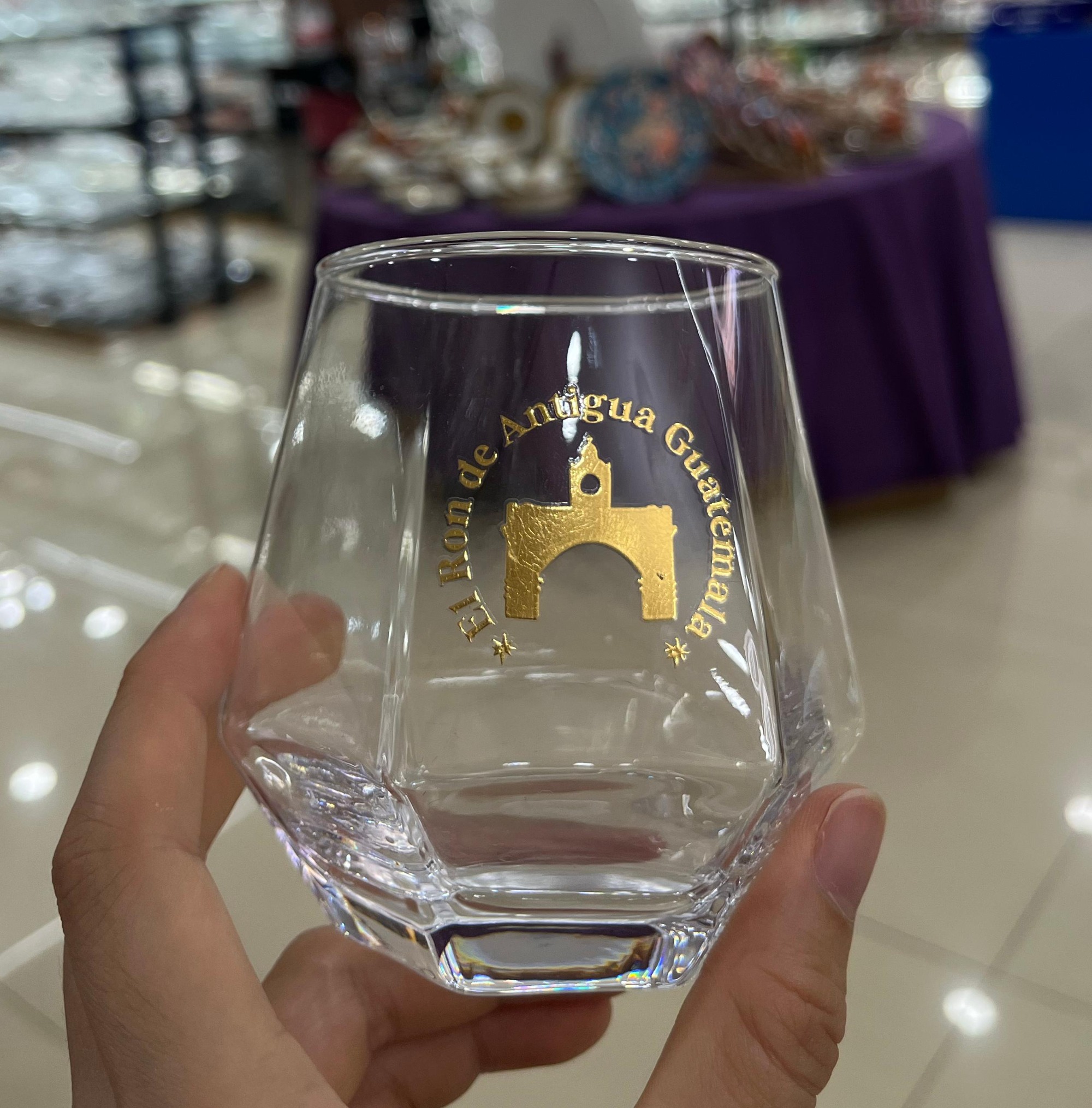
Glass cups have long been cherished not only for their practical use in daily life but also as canvases for artistic expression. The transparent, smooth, and delicate nature of glass provides a unique surface for creating eye-catching logos. Logo design on glass cups is not just about decoration; it's a way to convey brand identity, tell stories, and enhance the overall aesthetic and value of the product. Hexieglass delves into the various craftsmanship techniques that can be employed to create stunning logos on glass cups, exploring their characteristics, applications, and the impact they have on branding.
Screen Printing: A Classic and Versatile Choice
Screen printing is one of the most commonly used methods for applying logos to glass cups. This technique involves creating a stencil, known as a screen, which is typically made of a fine mesh stretched over a frame. The logo design is then transferred onto the screen, and areas that are not to be printed are blocked off. Ink is then forced through the open areas of the screen onto the surface of the glass cup using a squeegee.
One of the key advantages of screen printing is its versatility. It can be used to reproduce a wide range of colors, from simple monochromatic logos to more complex multicolored designs. Additionally, different types of inks can be employed, such as ceramic inks that fuse with the glass during firing, providing excellent durability and resistance to fading, scratching, and washing. This makes screen - printed logos ideal for both promotional and commercial glass cups, ensuring that the brand message remains clear and vibrant over time.
However, screen printing also has some limitations. For very detailed or intricate designs, achieving a high level of precision can be challenging. Each color in a multicolored design requires a separate screen, which can increase the production time and cost. Despite these drawbacks, screen printing remains a popular choice due to its relatively low cost for large - scale production and its ability to produce bold, vibrant logos.
Pad Printing: Precision for Intricate Logos
Pad printing is a highly precise method that is particularly well - suited for printing logos on irregularly shaped glass cups or those with complex contours. The process begins with creating an etched image on a printing plate. A silicone pad then picks up the ink from the etched area of the plate and transfers it onto the surface of the glass cup.
This technique offers several significant benefits. Pad printing can accurately reproduce fine details, small text, and complex graphics, making it an excellent option for logos that require a high level of precision. It can also print on multiple surfaces of a glass cup in a single operation, which is especially useful for cups with unique shapes or designs. For example, it can print a logo on the side, bottom, or even the inside rim of a glass cup with ease.
Moreover, pad - printed logos can have a smooth, professional finish. The use of high - quality inks and the precision of the transfer process ensure that the logo adheres well to the glass surface and maintains its clarity and color over time. However, pad printing can be more expensive than screen printing, especially for large - scale production, due to the more complex equipment and the need for specialized plates for each design.
Laser Engraving: Durable and Elegant
Laser engraving is a modern and high - tech method that uses a laser beam to etch the logo directly onto the surface of the glass cup. The laser vaporizes the glass material, creating a permanent mark that is both durable and aesthetically pleasing. This technique offers a unique look, as the engraved logo appears as a frosted or matte design on the otherwise smooth and shiny glass surface.
One of the major advantages of laser engraving is its durability. The engraved logo is resistant to wear, scratching, and chemical damage, making it ideal for glass cups that are likely to be used frequently or in harsh environments. It also provides a high level of precision, allowing for the creation of intricate designs, fine lines, and detailed text. Additionally, laser - engraved logos have an elegant and sophisticated appearance, which can enhance the perceived value of the glass cup and the brand it represents.
However, laser engraving has some limitations. The process is relatively slow compared to screen printing or pad printing, which can increase production time for large orders. Also, the color of the engraved area is limited to the natural color of the etched glass, usually a frosted white or gray tone. Despite these factors, laser engraving is a popular choice for high - end glass cups, corporate gifts, and promotional items where a long - lasting and premium - looking logo is desired.

Decal Application: High - Quality and Detailed Logos
Decal application involves printing the logo on a thin film, usually made of ceramic or vinyl, and then transferring it onto the glass cup. The decal is first soaked in water to release the backing paper, and then it is carefully positioned on the glass surface. After drying, the decal can be fired in a kiln (for ceramic decals) to fuse it with the glass, creating a permanent and high - quality logo.
This method offers several advantages. Decals can reproduce extremely detailed and high - resolution designs, including photographs and complex illustrations. They can also feature a wide range of colors and special effects, such as metallic finishes or gradients. Decal - applied logos often have a smooth, glossy finish that closely resembles the original printed design, providing a professional and attractive look.
For brands that want to showcase elaborate and colorful logos on their glass cups, decal application is an excellent option. It is commonly used for creating collectible glass cups, souvenir items, and high - end consumer products. However, the process can be more time - consuming and requires careful handling to ensure that the decal is applied without air bubbles or wrinkles. Additionally, the cost of producing custom decals can be relatively high, especially for small - batch orders.
Acid Etching: A Traditional and Artistic Approach
Acid etching is a traditional technique that uses acid to dissolve the surface of the glass cup, creating a textured or recessed logo. A resist material, such as wax or a specialized coating, is first applied to the glass in the areas where the logo is not to be etched. The acid is then applied to the exposed areas, which gradually erodes the glass. After the etching process is complete, the resist material is removed, leaving behind the etched logo.
Acid - etched logos have a unique, artistic appearance. The texture and depth created by the etching process give the logo a tactile and visual appeal that is different from other methods. This technique is often used for creating artisanal or hand - crafted glass cups, as well as for brands that want to convey a sense of tradition and craftsmanship.
However, acid etching is a more labor - intensive and potentially hazardous process. It requires careful handling of strong acids and proper safety precautions. The precision of the etching can also be more difficult to control compared to other methods, and it may not be suitable for very detailed or complex designs. Despite these challenges, acid etching remains a popular choice for those seeking a one - of - a - kind and art - inspired logo on their glass cups.
In conclusion, the choice of logo craftsmanship for glass cups depends on various factors, including the brand's identity, the intended use of the glass cup, production volume, and budget. Each method - screen printing, pad printing, laser engraving, decal application, and acid etching - offers unique advantages and limitations. By understanding these techniques, brands can make informed decisions to create logos on glass cups that not only effectively communicate their message but also enhance the overall aesthetic and value of the product, turning a simple glass cup into a powerful branding tool.









Guangzhou HeXie Glass Co., Ltd.
Address: No. 22, Building 53, Haotai Hotel Supplies Expo City, Yingbin Road, Luopu Street, Panyu District, Guangzhou
Tel: +86-18011970645
Email: info@hexieglass.com
https://www.hexieglass.com