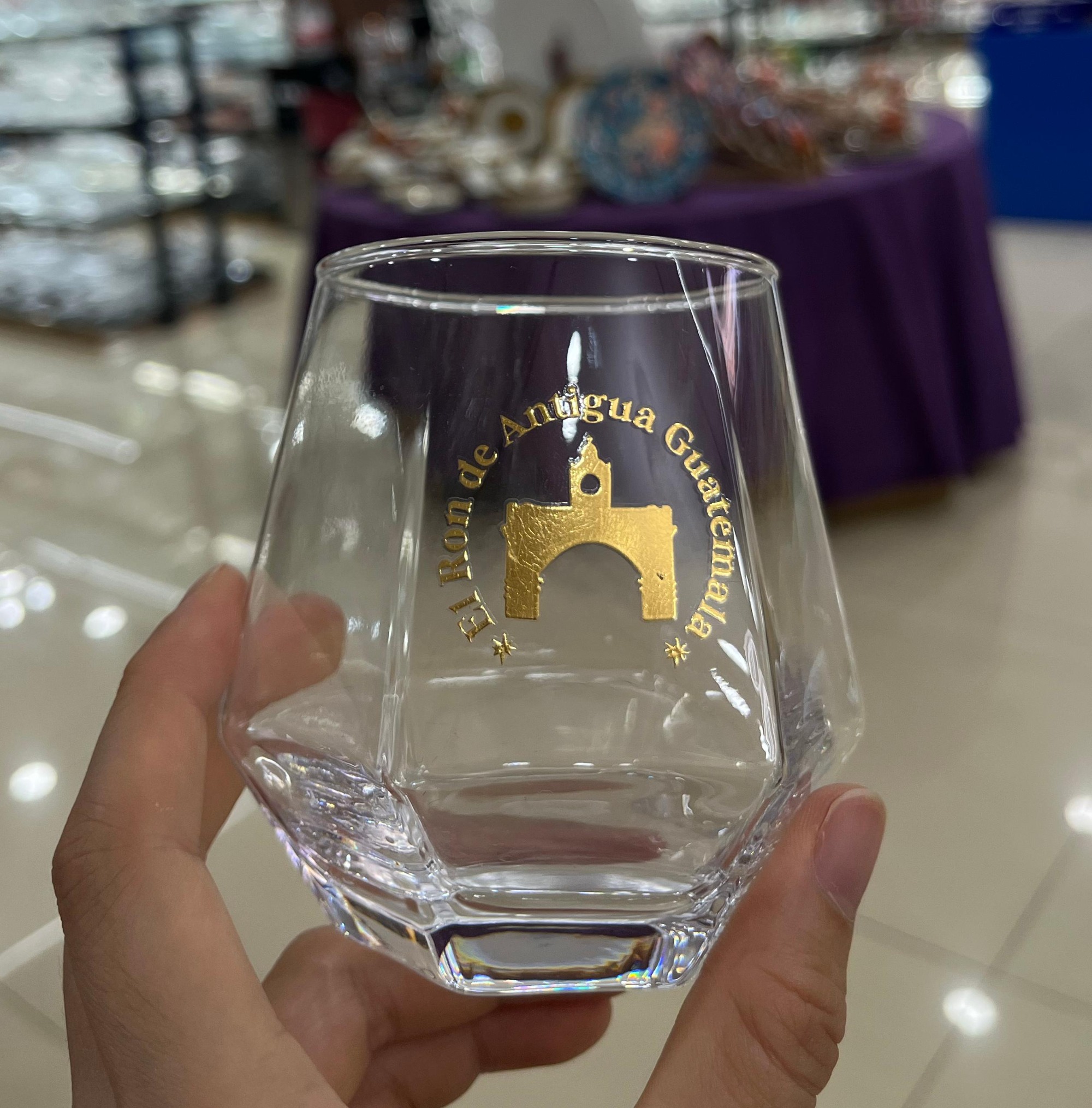
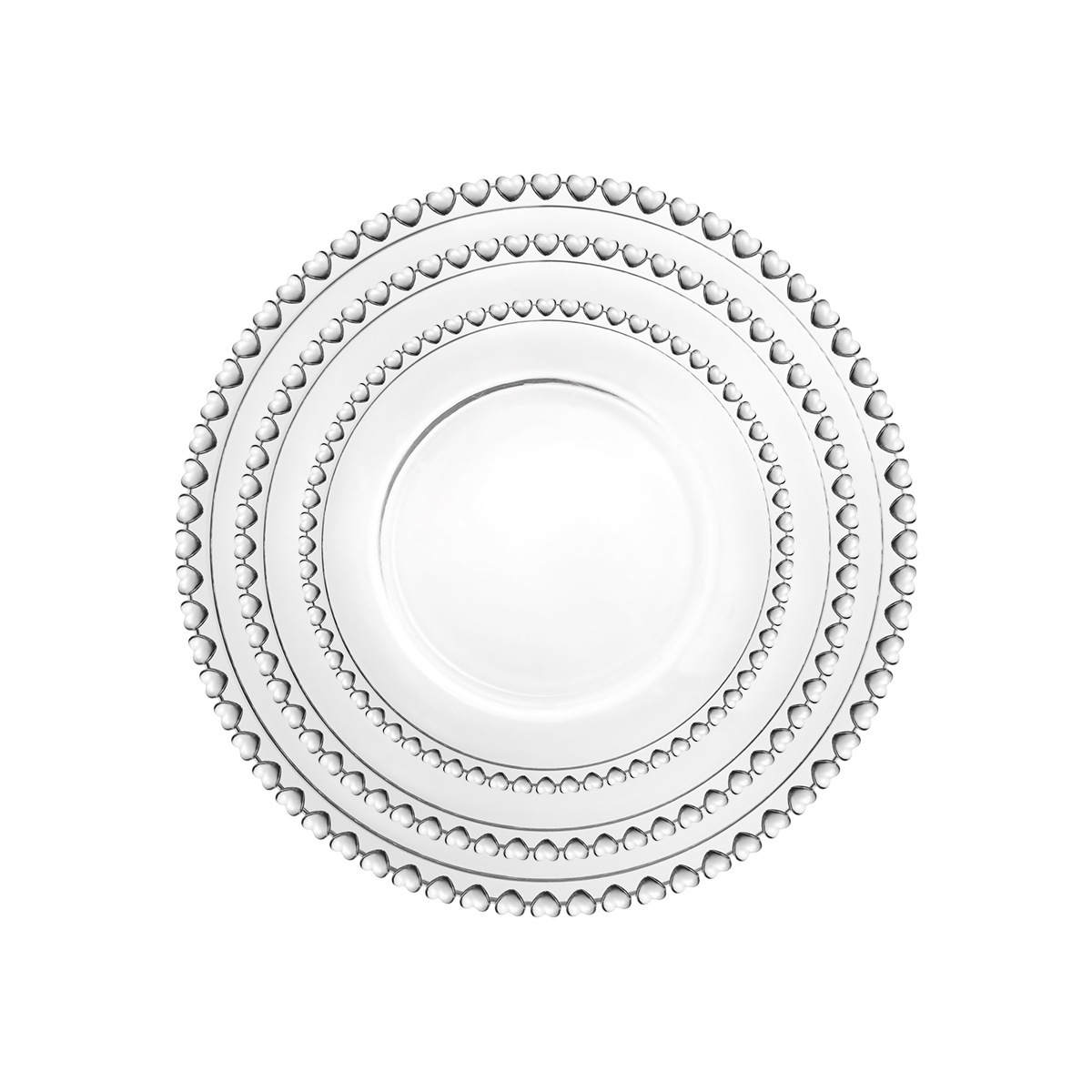
The question of whether glass cups can be finished with a matte spray is one that often arises among those seeking to add a touch of elegance or functionality to everyday glassware. The answer is a resounding "yes"—matte spray finishing has become a popular and viable technique for transforming the appearance and texture of glass cups, offering a range of benefits that make it a go-to choice for both personal and commercial use.
To understand how matte spray works on glass cups, it’s essential to first grasp the basics of the process. Unlike the smooth, reflective surface of traditional glass, a matte finish creates a soft, non-glossy texture that diffuses light rather than reflecting it. This effect is achieved through specialized matte spray coatings designed specifically for glass surfaces. These coatings typically contain a blend of polymers, pigments (for colored finishes), and matting agents—tiny particles that disrupt the smoothness of the glass surface when the spray dries, resulting in the desired matte look.
The application process itself involves several key steps to ensure durability and a uniform finish. First, the glass cup must be thoroughly cleaned and dried to remove any dust, oil, or residue that could prevent the spray from adhering properly. Next, a primer may be applied to enhance adhesion, especially for colored matte finishes or for glass cups that will be exposed to frequent handling or washing. Once the primer is dry, the matte spray is applied in thin, even coats, with sufficient drying time between each coat to avoid drips or unevenness. Finally, a clear topcoat is often added to increase scratch resistance and longevity, ensuring the matte finish remains intact even with regular use.
One of the primary advantages of matte spray finishes for glass cups is their aesthetic appeal. A matte glass cup exudes a modern, understated elegance that complements a variety of decor styles, from minimalist kitchens to cozy cafes. Colored matte finishes, such as soft pastels or deep neutrals, add even more versatility, allowing for customization to match specific themes or branding. For example, coffee shops often use matte black or cream glass cups to create a sleek, cohesive look, while individuals might opt for muted pink or blue matte cups to add a personal touch to their home drinkware.
Beyond aesthetics, matte spray finishes also offer practical benefits. The non-glossy surface is less prone to showing fingerprints, smudges, or water spots, making matte glass cups easier to keep clean—an important feature for items used daily. Additionally, the textured surface can provide a better grip, reducing the risk of the cup slipping from hands, especially when filled with hot or cold beverages. This combination of style and functionality has made matte spray-finished glass cups a favorite among consumers and businesses alike.
However, it’s important to note that not all matte sprays are created equal, and proper care is essential to maintain the finish. When choosing a matte spray for glass cups, it’s crucial to select a product labeled as food-safe, especially for cups that will hold beverages. Many high-quality matte sprays are designed to be dishwasher-safe, but hand washing with mild soap is often recommended to extend the life of the finish. Avoiding abrasive sponges or harsh cleaning chemicals can also prevent scratching or fading of the matte coating over time.
In conclusion, matte spray finishing is a highly effective way to enhance glass cups, offering a unique blend of style and practicality. Whether for personal use—such as creating custom gifts or upgrading home drinkware—or for commercial purposes like branding and product differentiation, matte spray finishes provide a flexible and durable solution. With the right products and proper application, glass cups can be transformed from ordinary to extraordinary, proving that even the simplest items can be elevated through innovative finishing techniques.










Guangzhou HeXie Glass Co., Ltd.
Address: No. 22, Building 53, Haotai Hotel Supplies Expo City, Yingbin Road, Luopu Street, Panyu District, Guangzhou
Tel: +86-18011970645
Email: info@hexieglass.com
https://www.hexieglass.com