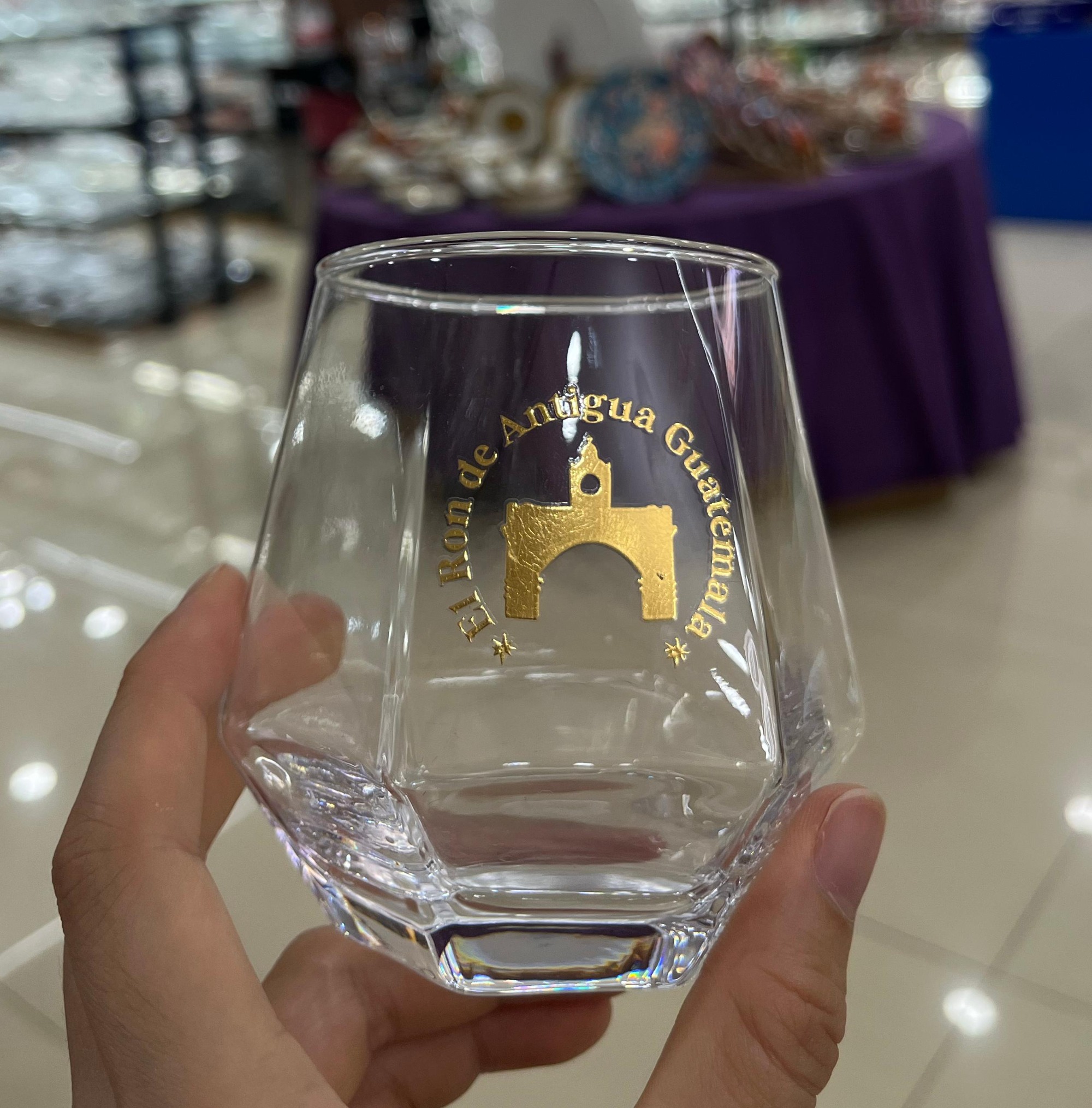
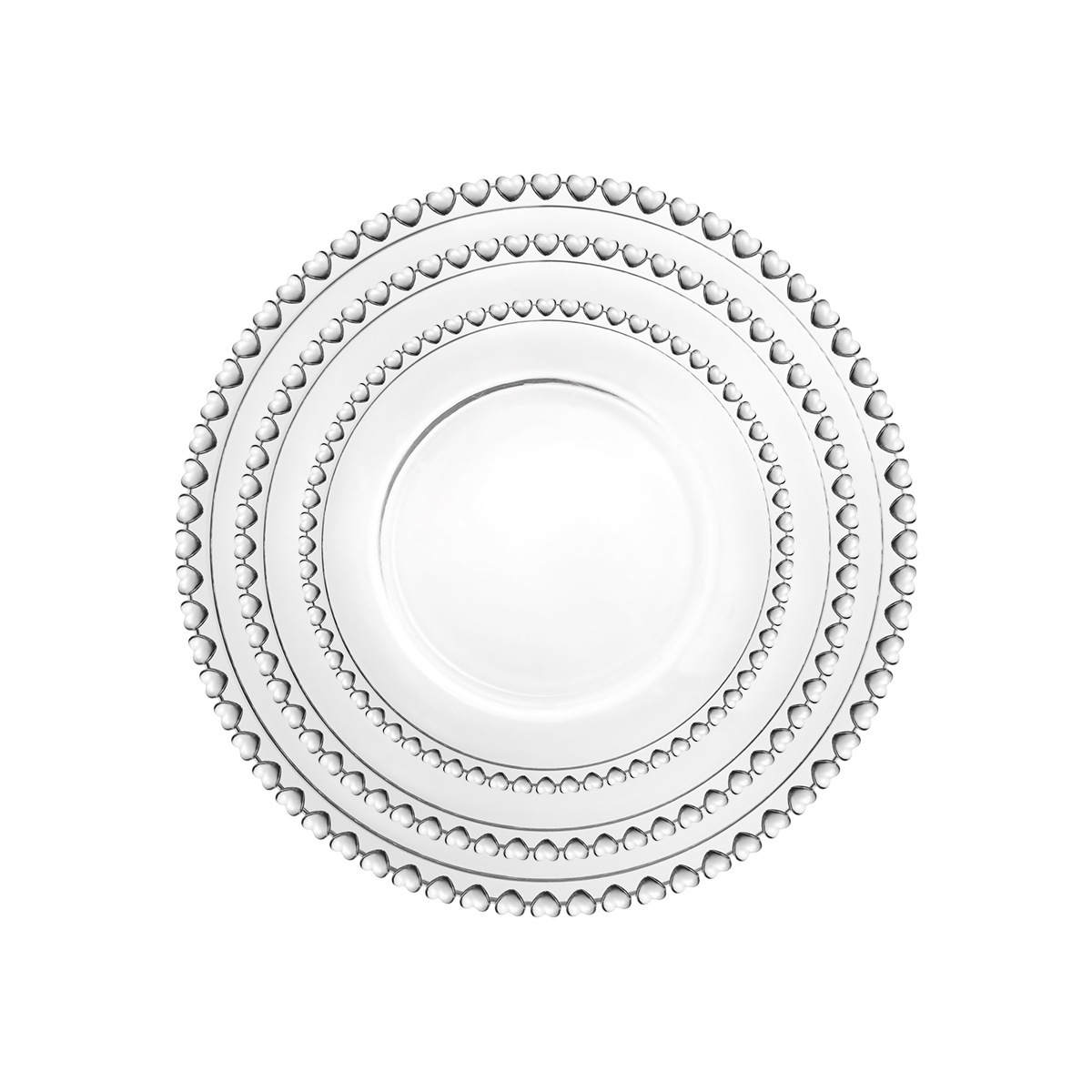
Mold customization of glass cups is a comprehensive process involving design, material selection, mold making, production and post-processing. To ensure the smooth progress of customization and the quality of the final product, it is necessary to pay attention to various key factors, including material selection, cost control and quality supervision. This article will elaborate on these key considerations to help customers better complete the mold customization of glass cups.
Material selection is the foundation of mold customization for glass cups, which directly affects the quality, appearance and use effect of the product. Different glass materials have different characteristics and applicable scenarios, so customers need to choose according to their own customization needs. Ordinary soda-lime glass has the advantages of low cost and high durability, which is suitable for daily use and large-scale bulk customization such as catering and retail. High-transparency glass has excellent light transmittance and clarity, which can better display the color and texture of the liquid in the cup, and is suitable for customization of high-end drinking cups and display cups. Lead-free crystal glass has the characteristics of high refractive index, bright luster and smooth texture, which is suitable for high-end gift customization and luxury hotel use, but its cost is relatively high.
Cost control is another important consideration for mold customization. The cost of mold customization mainly includes mold production cost and product production cost. The mold production cost is related to the complexity of the mold design, the material of the mold and the production process—the more complex the mold shape, the higher the cost of the mold material, the higher the mold production cost. The product production cost is related to the glass material, production volume and post-processing requirements. Generally speaking, the larger the production volume, the lower the unit production cost. Therefore, customers should clarify their budget and production needs before customization, communicate with manufacturers to optimize the design plan, avoid unnecessary cost waste, and choose cost-effective materials and production processes.
Quality supervision runs through the entire process of mold customization. In the design stage, it is necessary to check whether the 3D design drawing meets the needs and whether there are design flaws that affect the use. In the mold making stage, it is necessary to supervise the mold material, processing accuracy and heat resistance to ensure that the mold can be used normally and has a long service life. In the production stage, it is necessary to check the fluidity of the molten glass, the cooling speed and the forming effect to avoid defects such as bubbles, cracks and uneven thickness of the glass cup. In the post-processing stage, it is necessary to check the smoothness, transparency and customization effect of the glass cup to ensure that each product meets the quality standards.
In short, the mold customization of glass cups is a systematic project that requires comprehensive consideration of material selection, cost control and quality supervision. Only by doing a good job in these key links can we ensure that the customized glass cups meet the expected effect, balance personalization, quality and cost, and maximize the value of customization.

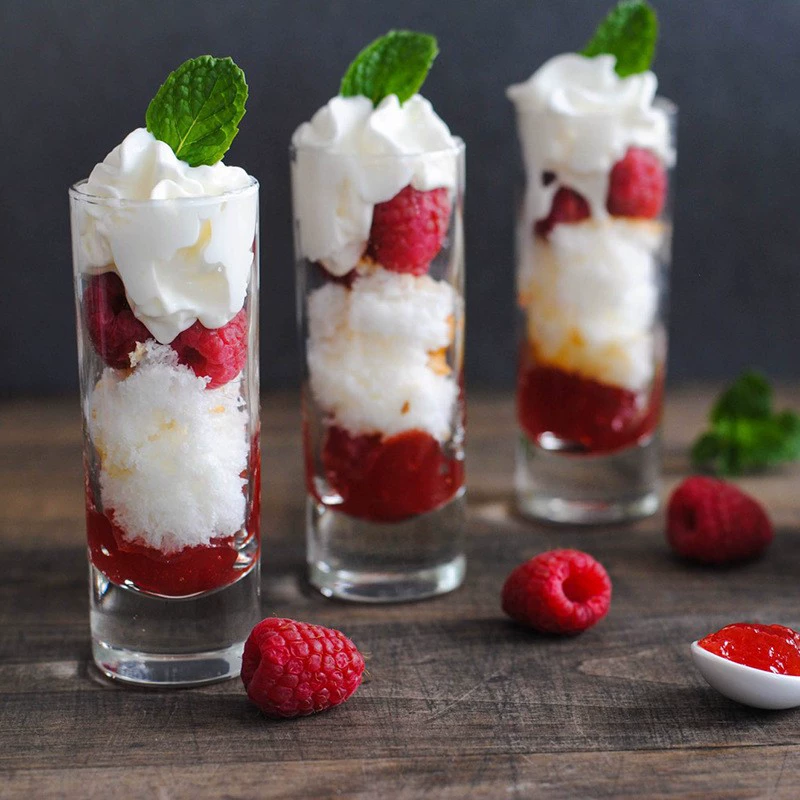



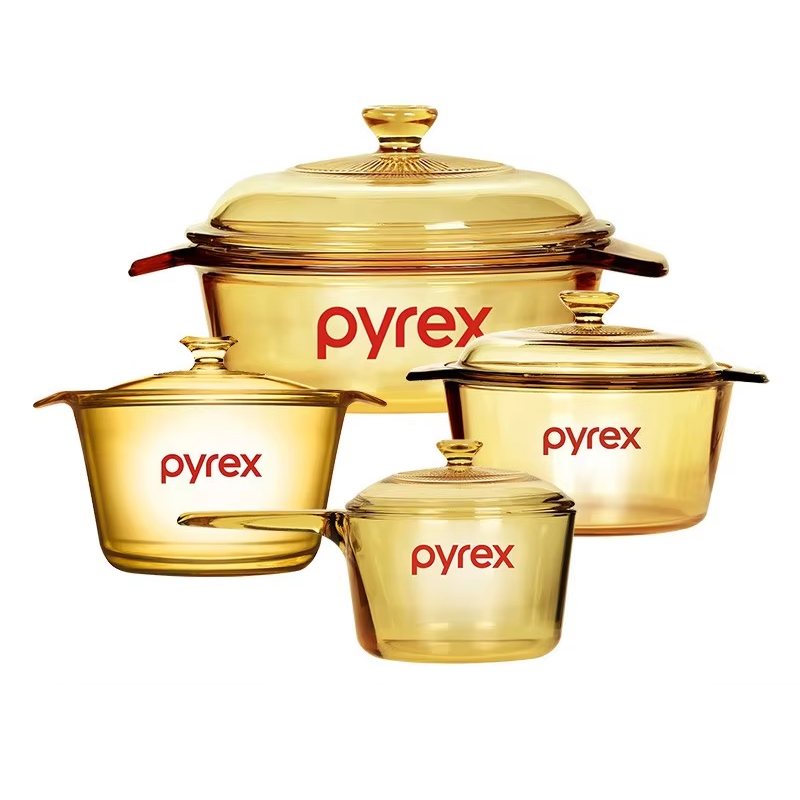







Guangzhou HeXie Glass Co., Ltd.
Address: No. 22, Building 53, Haotai Hotel Supplies Expo City, Yingbin Road, Luopu Street, Panyu District, Guangzhou
Tel: +86-18011970645
Email: info@hexieglass.com
https://www.hexieglass.com