The difference between white wine glass and red wine glass

Visitor Elsie 11December 2025 0Comments 426Views
The extent to which wine is in contact with the air is directly related to whether the drinker can enjoy this wine better. In general, wine glass manufacturers specialize in the production of red wine glasses, white wine glasses and champagne flute cups according to the different types of wine and the different requirements for oxidation and serving temperature. Choosing a suitable wine glass will enhance the wine's visual appeal and the aroma and taste. Here are some of the differences between white wine glasses and red wine glasses.

The difference between white wine glass and red wine glass

1.the various parts of the wine glass

Each wine glass consists of three parts, a cup, a cup and a cup. The type of wine determines which type of wine glass should be used. Red wine glasses and white wine glasses generally have different cups and cups. When starting to serve, be sure to grab the cup to avoid fingerprints on the cup. When drinking wine, you can decide whether to hold the cup or the cup according to the specific temperature.

2.red wine glasses

During the brewing of red wine, red grapes are pressed with skin. Some red grape varieties look red, but more varieties show a blue hue. Since most of the grape flesh is cyan, the skin press can add polyphenols and tannins to the wine, giving the red wine the color and structure it deserves. If the red wine is exposed to the air for a long time, it will help to eliminate the sensation of tannins, giving the wine a soft and full flavor and aroma.

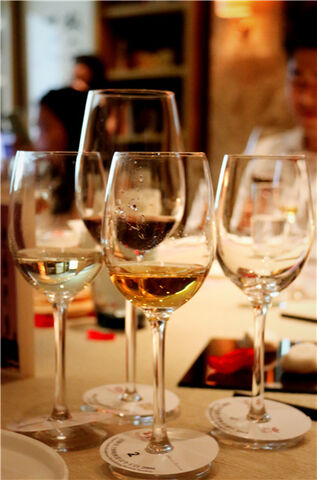
A red wine glass can bring the wine into contact with more oxygen. They also have a wider cup mouth and a shorter, rounder body that allows the wine to reach the air more widely. The cup of red wine is usually longer, so that the taster can shake the wine and oxidize it before drinking. The action of shaking the glass can release the aroma of the wine, allowing the taster to smell a more complex aroma.

The sweeter taste and aroma of red wines can be noticeable in warmer environments, but if you drink red wine at higher temperatures, the wine will give you an unpleasant feeling. After removing the red wine from the low temperature wine cellar, you can wake up for 20 minutes. You can also hold the glass of the red wine glass to increase the temperature of the wine. Red wine is best served between 10 and 15 degrees Celsius.

3. white wine glass

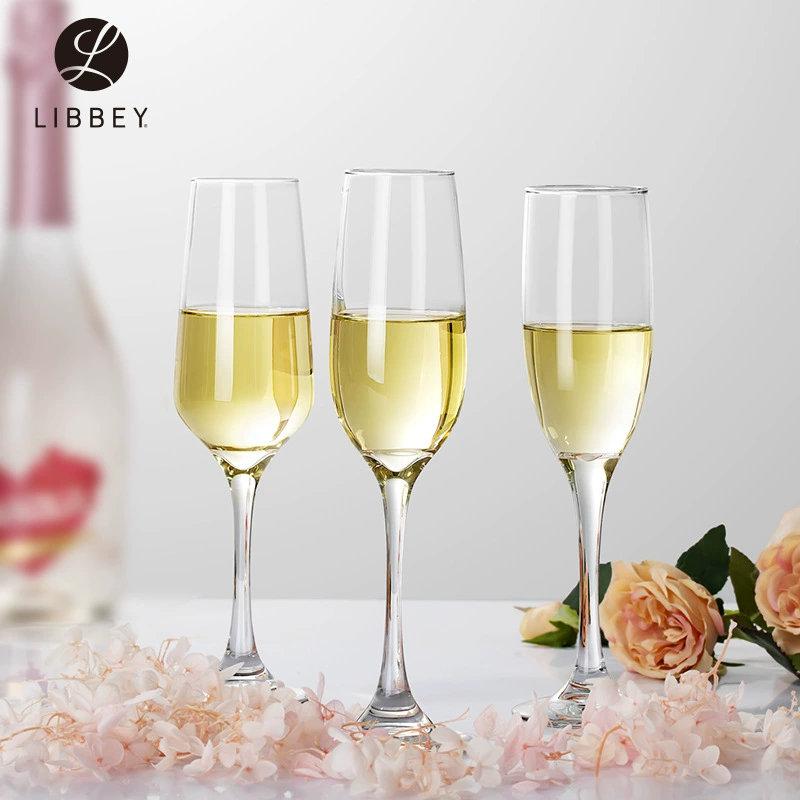
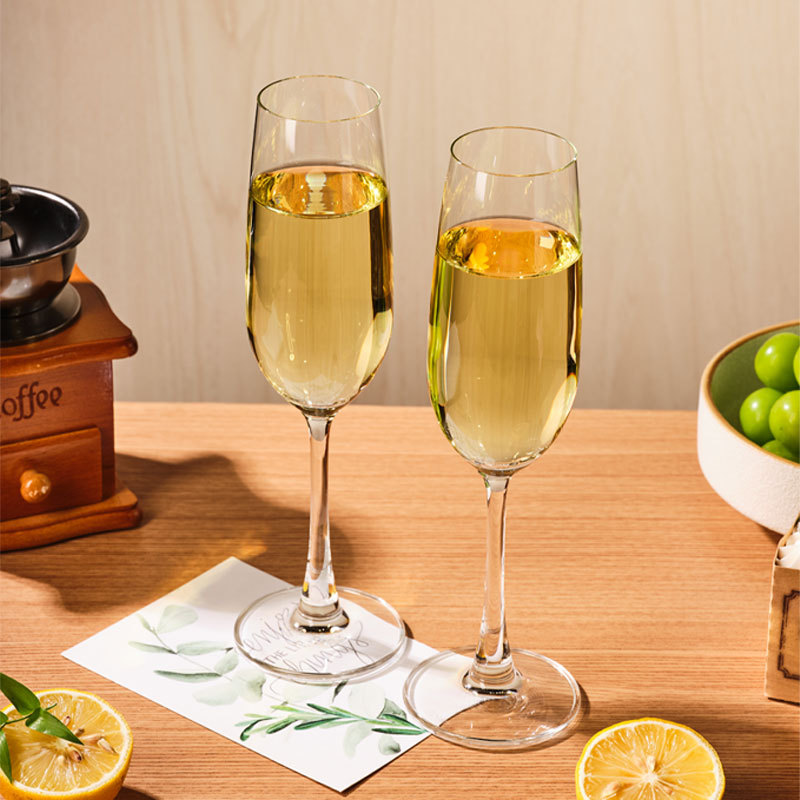
White wine does not need to be oxidized like red wine. Since white wine does not have tannins in red wine, white wine tastes sweeter and lighter. This flavor is best enjoyed after cooling down, and the temperature around 7 degrees Celsius is just right. The lower temperature will reduce the aroma of the wine and the richness of the taste, so the cup of the white wine glass will be smaller and narrower to reduce the exposure of the wine to the air. Since the ice temperature of the white wine is to be guaranteed, the wine glass needs a thicker and thicker cup to facilitate the taste holder.

POST YOUR COMMONT
Name
E-mail
Content
Verification code
ver_code
Latest Posts
Beyond the Bottle: A Guide to American Drinking Vessel Preferences
When it comes to enjoying a drink in the United States, what you drink from is almost as important as what you drink. American culture has a fascinating, sometimes unspoken, set of rules and preferences for glassware. It’s a blend of tradition, practicality, and a touch of marketing genius.
Beyond the Drink: How Your Glassware Shapes the Cocktail Experience
We spend so much time discussing spirits, mixers, and techniques, but there's a silent, elegant hero in the world of mixology that often doesn't get the credit it deserves: the glassware. The vessel you choose for your cocktail is far from just a container; it's a crucial piece of engineering that directly influences aroma, temperature, mouthfeel, and even your perception of taste.
The Wine Lover's Guide: Bordeaux vs. Burgundy Glasses
Walk into any well-stocked wine bar or a serious collector's home, and you'll notice more than one type of wine glass. While a universal glass is a great all-rounder, the magic truly happens when you match your glass to your wine. Two of the most iconic shapes you'll encounter are the Bordeaux glass and the Burgundy glass. They may look similar at first glance, but their subtle differences are designed to elevate two very distinct wine experiences.
Beyond the Drink: How Custom Glassware Elevates a Theme Restaurant's Story
Walk into any restaurant, and you'll be handed a menu. But before you even read the first item, you've already been handed another, more subtle menu—one composed of your surroundings. The lighting, the music, the decor, and yes, even the glass your water arrives in, all tell a story. For theme restaurants, this narrative is everything. And the choice between custom glassware and standard, off-the-shelf glasses can be the difference between a good experience and an unforgettable one
Why Libbey Glassware is the Go-To Choice for Restaurants Worldwid
When you step into a restaurant, the first thing that often catches your eye—aside from the menu—is the glassware. From sleek tumblers to elegant wine glasses, the vessels holding your drinks play a subtle yet significant role in shaping your dining experience. Among the many brands available, one name consistently stands out in the hospitality industry: Libbey. But why are so many restaurants, from cozy neighborhood bistros to high-end dining establishments, choosing Libbey glassware? Let’s div
The Timeless Craft: How Libbey Glassware Blends Heritage with Modern Innovation
In a world of disposable goods, few brands manage to stand the test of time while remaining relevant and innovative. Libbey Glassware is one such exceptional name—a company whose story weaves together two centuries of tradition with cutting-edge advancements. Whether you've enjoyed a cocktail at a hotel bar or sipped from a durable restaurant glass, chances are you've experienced the quality of this iconic American brand. Let’s explore how Libbey has balanced heritage.
Translation of Surface Processing Technologies for Glass Cups
What brand is Luminarc, and what are its product advantages
Long-standing History: Founded in Arques, France in 1948 by Jacques Durand, it has a history of over 70 years. Today, it is one of the world's leading tableware brands, with products sold in nearly 160 countries and 400 million glass items sold annually.
The Advantages of High Temperature Decals Logo on Glass Cups
How do you know the multiple benefits that high - temperature decals logos bring to glass cups.
The Advantages of Glass Baking Dishes
Baking dishes come in various materials, each with its own set of characteristics.
Mastering the Art of Using Borosilicate Glass Cups
Derived from a special type of glass that contains boron trioxide, these cups offer unique advantages over traditional glass and other materials.
Exploring Logo Craftsmanship on Glass Cups: A Fusion of Art and Functionality
The transparent, smooth, and delicate nature of glass provides a unique surface for creating eye-catching logos.
Classification of whiskey glasses
whiskey glass wholesale
Why Choose Glass Cup Rather Than Plastic Cups
Which one should you choose between plastic cup and glass cup?
The Advantages of Crystal Glassware
Unlike ordinary glass, crystal glass is crafted with specific materials and manufacturing processes, endowing it with a range of unique advantages that make it a preferred choice for various occasions, from daily use to formal dining and special celebrations.
The practicality of high-borosilicate glass in home life
The practicality of high borosilicate glass in home life