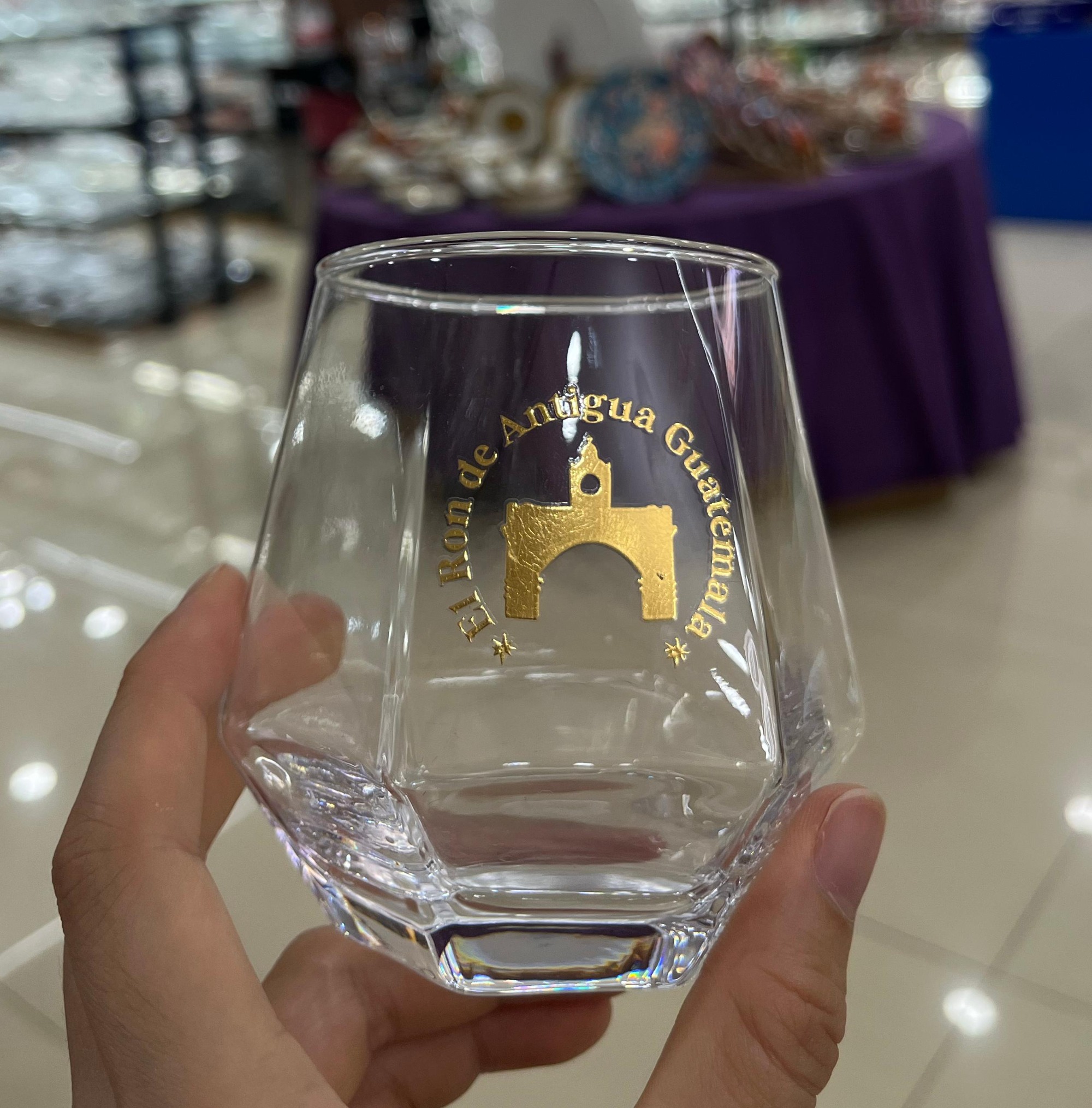
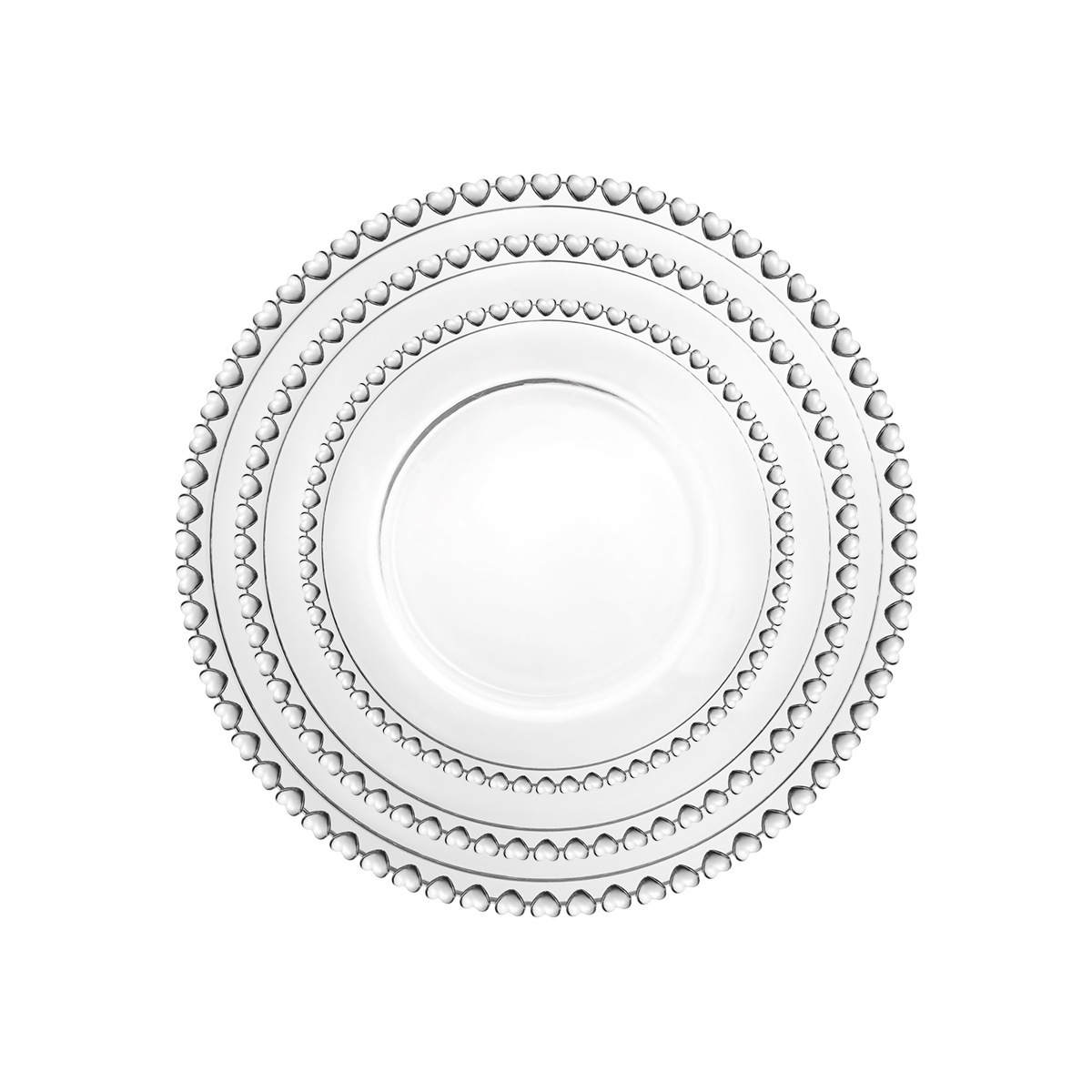
In the age of personalized consumption and brand differentiation, custom glass cups have become an indispensable choice for businesses to enhance brand image and meet diversified market demands. A question that is frequently raised in both personal and commercial scenarios is: Can glass cups be customized through mold manufacturing? The answer is undoubtedly positive—mold-based customization is not only a feasible technology but also the most widely used, efficient and stable method in the production of custom glass cups, which is applicable to both small-batch personalized customization and large-scale bulk orders.
The feasibility of mold customization for glass cups lies in the excellent malleability of molten glass. When glass is heated to a high temperature of 1400-1600°C, it melts into a viscous liquid with good fluidity, which can perfectly fill every detail of the mold cavity, whether it is the overall shape of the cup, the curve of the cup body, or the subtle embossed patterns. This technology is compatible with various glass materials, including ordinary soda-lime glass for daily use, high-transparency glass for premium display, and lead-free crystal glass for high-end products, covering the customization needs of different scenarios such as household use, hotel catering, brand promotion and gift customization.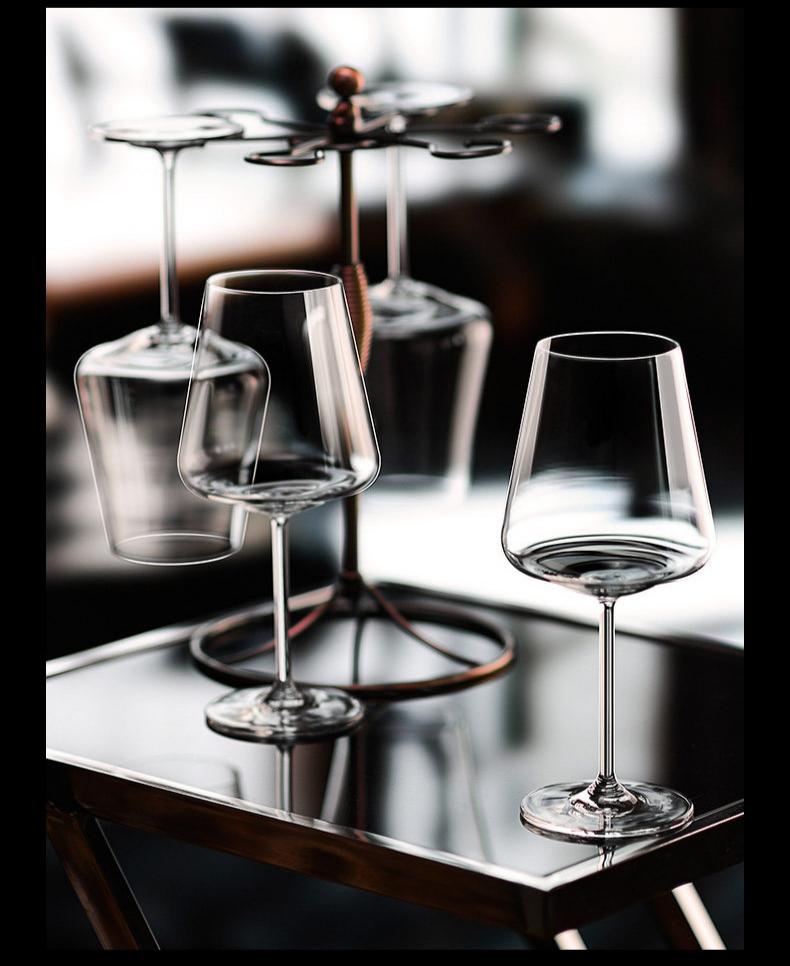
The process of mold customization for glass cups is systematic and standardized, ensuring both personalization and product quality. Firstly, professional designers create a detailed 3D design drawing according to the customer’s needs, clarifying the cup’s capacity, shape, thickness, and the position and size of customized elements such as logos and patterns. Secondly, a custom mold is made of heat-resistant materials such as cast iron or steel, which can withstand the high temperature of molten glass without deformation. Then, the molten glass is poured or pressed into the mold by professional equipment, and cooled and solidified to form the initial shape. Finally, post-processing steps such as polishing, annealing, and engraving are carried out to improve the smoothness, transparency and durability of the glass cup, ensuring that each product meets the preset standards.
Compared with other customization methods such as hand-blown, mold customization has obvious advantages. On the one hand, it can ensure the consistency of each product—for businesses that need unified brand image display, such as cafes, restaurants and brands, every custom glass cup made by the same mold will have the same shape, size and logo, maintaining a professional and cohesive brand image. On the other hand, mold customization has higher production efficiency and lower unit cost, especially for large-scale orders. With the continuous development of glass manufacturing technology, the cost of mold production has been greatly reduced, and many manufacturers can provide flexible solutions for small-batch customization, making mold customization more accessible.
In conclusion, mold customization is a mature and reliable way to realize the personalization of glass cups, which combines technology, efficiency and quality. Whether it is for personal use to pursue uniqueness or for businesses to enhance brand value, mold-customized glass cups can perfectly meet the needs, and will continue to occupy an important position in the custom glassware market with the increasing demand for personalization.










Guangzhou HeXie Glass Co., Ltd.
Address: No. 22, Building 53, Haotai Hotel Supplies Expo City, Yingbin Road, Luopu Street, Panyu District, Guangzhou
Tel: +86-18011970645
Email: info@hexieglass.com
https://www.hexieglass.com