A Guide to Using Your Champagne Flute

Visitor Amo 24January 2026 0Comments 323Views
For centuries, the champagne flute has stood as an icon of celebration, elegance, and refined taste. More than just a vessel for sparkling wine, it is an instrument designed to enhance one of life's most delightful sensory experiences. As a purveyor of fine glassware, we believe that understanding how to properly use a champagne flute is the final, crucial step in honoring the craftsmanship of both the winemaker and the glassblower. Let's explore the art and science behind this elegant piece.
Why the Flute? The Science of Design
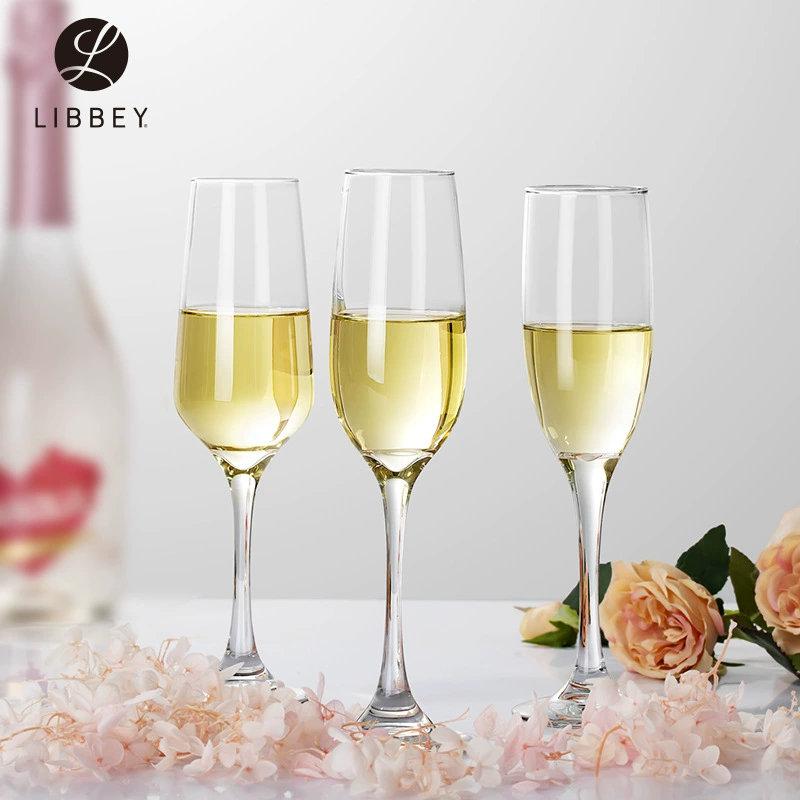
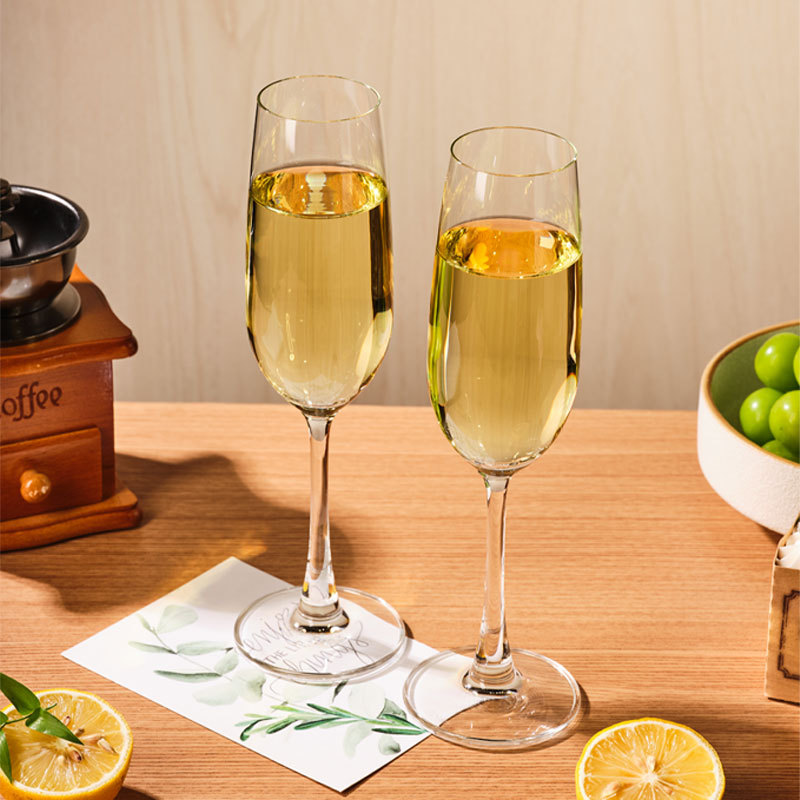
The classic champagne flute is characterized by its long, slender stem and tall, narrow bowl. This design is not merely aesthetic; it is deeply functional. The stem allows you to hold the glass without warming the wine with your hand, preserving its cool, refreshing temperature. The narrow bowl, or tulip shape, serves two key purposes: it minimizes the surface area exposed to air, slowing the escape of those precious, delicate bubbles (carbonation), and it channels the effervescence upward in a steady, beautiful stream. This concentrated bubble trail also helps carry the wine’s aromas directly to your nose, making each sip a full olfactory and gustatory delight. When you choose a finely crafted, thin-lipped flute from our collection, you are choosing a tool that protects the integrity and maximizes the pleasure of your sparkling wine.
The Ritual: A Step-by-Step Guide

Using a champagne flute correctly is a simple ritual that elevates the entire experience.

1.The Chill: Begin with everything cold. Chill your champagne or sparkling wine to around 7-10°C (45-50°F). Chill your clean, polished flutes as well, either in the refrigerator for 15-20 minutes or by holding the bowl under cold water. A cold glass prevents the wine from warming too quickly and helps maintain bubble formation.
2.The Pour: Hold the flute securely by its **stem or base**. This is the golden rule. Never cradle the bowl. With the glass on a flat surface, tilt it at a 45-degree angle. Pour the champagne gently down the side of the inclined glass. This technique minimizes aggressive foaming and excessive bubble loss. Fill the glass to about two-thirds full. This leaves ample room in the bowl for the aromas to collect, inviting you to inhale before you sip.
3. The Observation: Before drinking, take a moment to appreciate the view. Observe the lively, persistent stream of tiny bubbles (known as the *perlage*) rising from a potential single point in the bottom of a well-made flute. Notice the color of the wine—is it pale straw, golden, or blush?
4. The Scent: Gently swirl the glass (while still holding the stem) to release the bouquet. Bring the rim to your nose and take a delicate sniff. You might detect notes of citrus, brioche, apple, or almond. A quality flute funnels these aromas perfectly.
5. The Sip: Finally, take a sip. Let the wine wash over your palate. The thin, smooth rim of a premium flute ensures a clean, seamless flow, allowing you to fully appreciate the crisp acidity, the creamy mousse (the frothy texture), and the complex flavors.
Beyond Champagne: Versatility of the Flute
While named for champagne, this glass is wonderfully versatile. It is the ideal choice for all varieties of sparkling wine—Prosecco, Cava, Franciacorta, and sparkling rosé. It can also be used for certain light, aromatic cocktails like the French 75 or a sophisticated spritz. Its design makes it perfect for any beverage where preserving effervescence and aroma is key.
Care and Keeping of Your Flutes
To ensure your flutes continue to perform beautifully:
Hand Wash Gently: Use warm water and a mild detergent. Avoid abrasive sponges. The delicate crystal or glass can be easily scratched or weakened in a dishwasher's harsh environment.
Dry with a Lint-Free Cloth: Polish gently to avoid water spots and maintain a brilliant shine.
Store Upright and Securely: If hanging by the foot, ensure the rack is padded. Store them in a dust-free cabinet to avoid the need for frequent rinsing, which can dilute the wine's first pour.
The Final Toast
A champagne flute is more than decor; it is the partner to your celebration, the quiet conductor of aroma and taste. Investing in a set of beautifully crafted, functional flutes transforms everyday moments into occasions and makes special events truly unforgettable. It shows a respect for tradition, a love for quality, and an understanding that how we drink is almost as important as what we drink.
Explore our curated collection of champagne flutes, where timeless design meets modern craftsmanship. Find the perfect vessel to elevate your next toast, because every bubble tells a story, and every story deserves a beautiful setting.
Cheers!
POST YOUR COMMONT
Name
E-mail
Content
Verification code
ver_code
Latest Posts
Beyond the Bottle: A Guide to American Drinking Vessel Preferences
When it comes to enjoying a drink in the United States, what you drink from is almost as important as what you drink. American culture has a fascinating, sometimes unspoken, set of rules and preferences for glassware. It’s a blend of tradition, practicality, and a touch of marketing genius.
Beyond the Drink: How Your Glassware Shapes the Cocktail Experience
We spend so much time discussing spirits, mixers, and techniques, but there's a silent, elegant hero in the world of mixology that often doesn't get the credit it deserves: the glassware. The vessel you choose for your cocktail is far from just a container; it's a crucial piece of engineering that directly influences aroma, temperature, mouthfeel, and even your perception of taste.
The Wine Lover's Guide: Bordeaux vs. Burgundy Glasses
Walk into any well-stocked wine bar or a serious collector's home, and you'll notice more than one type of wine glass. While a universal glass is a great all-rounder, the magic truly happens when you match your glass to your wine. Two of the most iconic shapes you'll encounter are the Bordeaux glass and the Burgundy glass. They may look similar at first glance, but their subtle differences are designed to elevate two very distinct wine experiences.
Beyond the Drink: How Custom Glassware Elevates a Theme Restaurant's Story
Walk into any restaurant, and you'll be handed a menu. But before you even read the first item, you've already been handed another, more subtle menu—one composed of your surroundings. The lighting, the music, the decor, and yes, even the glass your water arrives in, all tell a story. For theme restaurants, this narrative is everything. And the choice between custom glassware and standard, off-the-shelf glasses can be the difference between a good experience and an unforgettable one
Why Libbey Glassware is the Go-To Choice for Restaurants Worldwid
When you step into a restaurant, the first thing that often catches your eye—aside from the menu—is the glassware. From sleek tumblers to elegant wine glasses, the vessels holding your drinks play a subtle yet significant role in shaping your dining experience. Among the many brands available, one name consistently stands out in the hospitality industry: Libbey. But why are so many restaurants, from cozy neighborhood bistros to high-end dining establishments, choosing Libbey glassware? Let’s div
The Timeless Craft: How Libbey Glassware Blends Heritage with Modern Innovation
In a world of disposable goods, few brands manage to stand the test of time while remaining relevant and innovative. Libbey Glassware is one such exceptional name—a company whose story weaves together two centuries of tradition with cutting-edge advancements. Whether you've enjoyed a cocktail at a hotel bar or sipped from a durable restaurant glass, chances are you've experienced the quality of this iconic American brand. Let’s explore how Libbey has balanced heritage.
Translation of Surface Processing Technologies for Glass Cups
What brand is Luminarc, and what are its product advantages
Long-standing History: Founded in Arques, France in 1948 by Jacques Durand, it has a history of over 70 years. Today, it is one of the world's leading tableware brands, with products sold in nearly 160 countries and 400 million glass items sold annually.
The Advantages of High Temperature Decals Logo on Glass Cups
How do you know the multiple benefits that high - temperature decals logos bring to glass cups.
The Advantages of Glass Baking Dishes
Baking dishes come in various materials, each with its own set of characteristics.
Mastering the Art of Using Borosilicate Glass Cups
Derived from a special type of glass that contains boron trioxide, these cups offer unique advantages over traditional glass and other materials.
Exploring Logo Craftsmanship on Glass Cups: A Fusion of Art and Functionality
The transparent, smooth, and delicate nature of glass provides a unique surface for creating eye-catching logos.
Classification of whiskey glasses
whiskey glass wholesale
Why Choose Glass Cup Rather Than Plastic Cups
Which one should you choose between plastic cup and glass cup?
The Advantages of Crystal Glassware
Unlike ordinary glass, crystal glass is crafted with specific materials and manufacturing processes, endowing it with a range of unique advantages that make it a preferred choice for various occasions, from daily use to formal dining and special celebrations.
The practicality of high-borosilicate glass in home life
The practicality of high borosilicate glass in home life