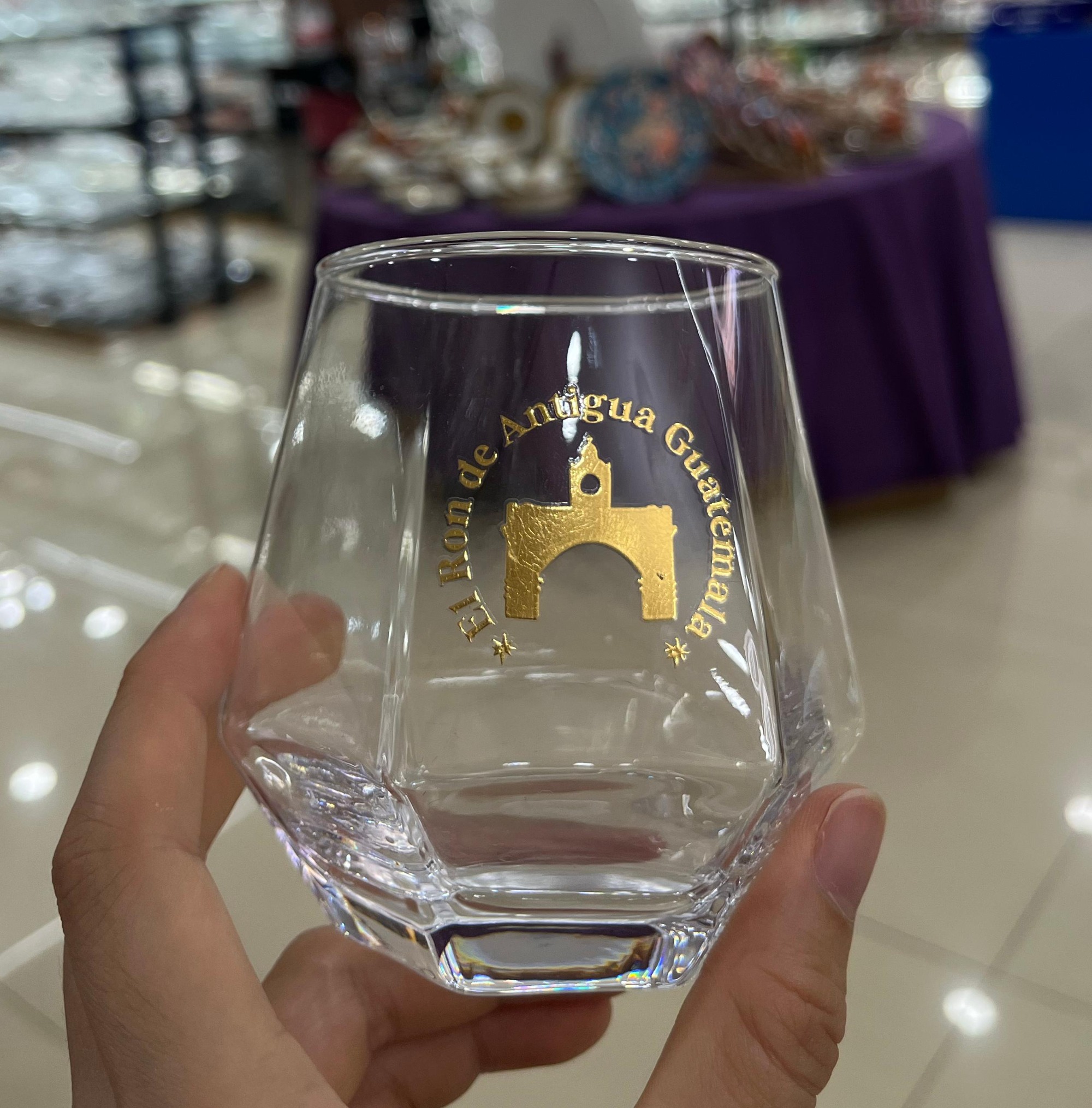
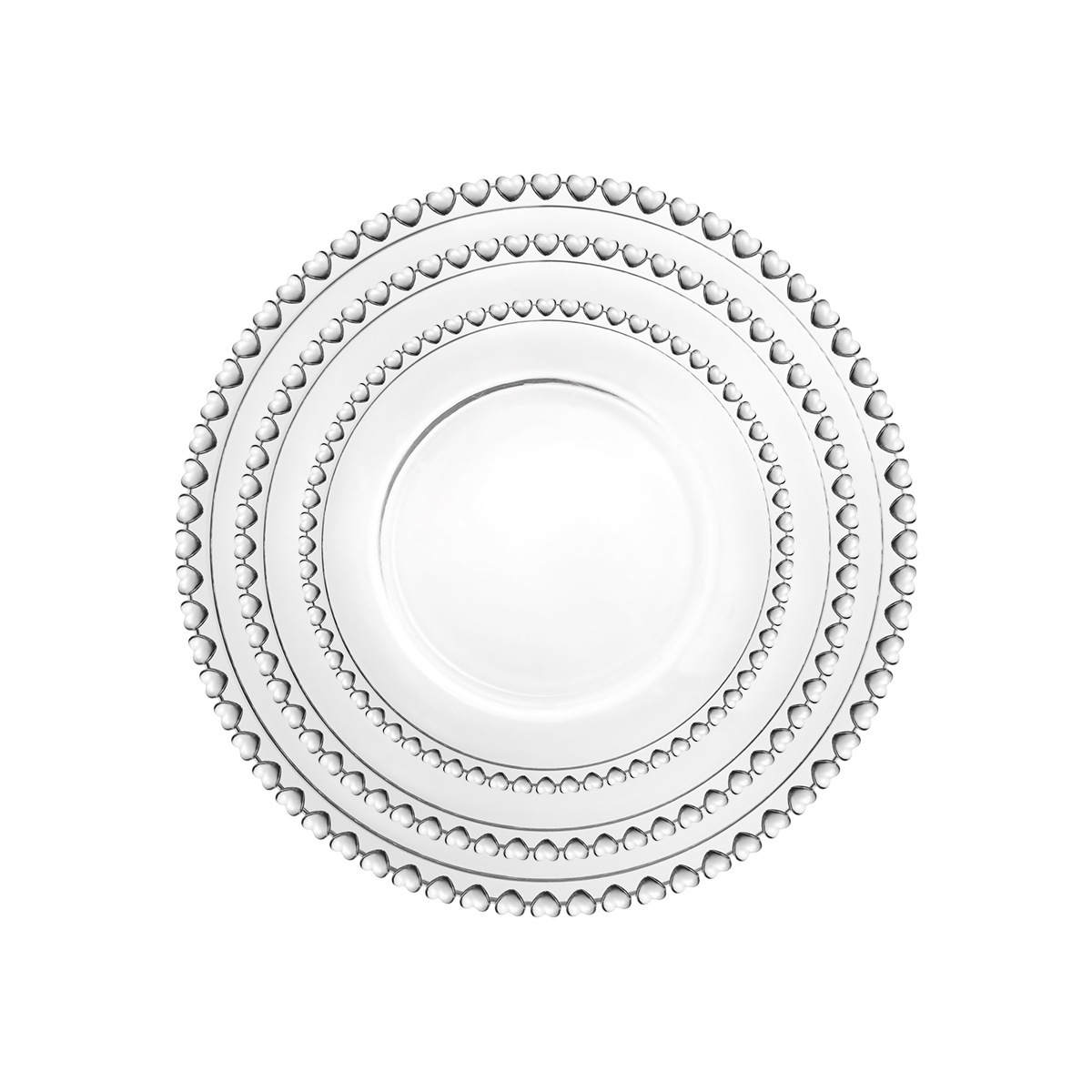
Crystal glassware, celebrated for its brilliance, clarity, and durability, is the product of a time-honored manufacturing process that blends traditional craftsmanship with modern precision. From selecting raw materials to the final polishing, each step requires meticulous attention to detail to create pieces that balance functionality and elegance. Below is a comprehensive breakdown of the intricate journey from raw materials to finished crystal glassware.
The process begins with raw material selection and preparation—a critical foundation for high-quality crystal. The primary components include silica sand (the main ingredient for glass), soda ash (to lower the melting point), limestone (for stability), and metal oxides (typically lead oxide, though lead-free alternatives like potassium oxide are increasingly common). Lead oxide is key to crystal’s signature refractive properties, increasing light dispersion and creating its characteristic sparkle. These raw materials are measured in precise proportions to ensure consistency; even minor deviations can affect the glass’s clarity or strength. The mixture is then ground into a fine powder called “batch” and thoroughly mixed to eliminate lumps, ensuring uniform melting.
Next comes melting and refining, where the batch is heated in a furnace at temperatures ranging from 1,400°C to 1,600°C. Traditional furnaces use gas or electricity, while some artisanal workshops still employ wood-fired kilns for a more hands-on approach. The batch melts into a viscous, molten glass that must be refined to remove bubbles and impurities. This is achieved through a process called “fining,” where substances like arsenic or antimony are added to the melt to collect gas bubbles, which rise to the surface and burst. The molten glass is then left to “soak” for several hours to ensure a smooth, homogeneous texture—any remaining imperfections at this stage would be visible in the finished product.
Once the molten glass is ready, it moves to forming—the step that gives crystal its shape. Two primary techniques dominate this phase: hand blowing and machine pressing, each yielding distinct results. Hand blowing, a traditional craft dating back centuries, is used for high-end, intricate pieces. A skilled artisan dips a long metal blowpipe into the molten glass to gather a small amount (called a “gather”). They then blow air through the pipe, expanding the glass into a bubble, while shaping it using wooden or metal tools, molds, or by rotating the pipe. This process requires immense skill and speed, as the glass cools quickly; artisans often work in teams to keep the glass warm and malleable. Hand-blown crystal is prized for its unique, subtle variations, making each piece one-of-a-kind.
Machine pressing, by contrast, is used for mass-produced, uniform pieces. Molten glass is injected or poured into a metal mold, and a plunger presses it into shape. The mold is then opened, and the glass piece is removed—this process takes only seconds, allowing for high production volumes. While machine-pressed crystal lacks the individuality of hand-blown pieces, it offers consistency and affordability, making it popular for everyday use. Some manufacturers combine both techniques, using machines for basic shapes and hand-finishing for details like cuts or engravings.
After forming, the glass undergoes annealing—a crucial step to enhance durability. Newly formed glass contains internal stresses from rapid cooling, which can cause it to shatter easily. To relieve these stresses, the glass is placed in an annealing oven ( Lehr) and heated to around 500°C, then cooled slowly over several hours or days. This gradual cooling process aligns the glass molecules, making the crystal stronger and more resistant to thermal shock.
The final stages involve finishing and quality control. First, any excess glass (such as the “pontil mark” left by the blowpipe) is trimmed away using diamond-tipped tools. The glass is then polished—either by hand with abrasive materials or by machine in a rotating drum filled with polishing compounds like cerium oxide. This step enhances the crystal’s clarity and shine, bringing out its light-refracting properties. For decorative pieces, additional processes like cutting, engraving, or gilding may be added: skilled craftsmen use diamond wheels to create intricate cut patterns, while engraving is done by hand or laser to add designs or monograms.
Finally, each piece undergoes rigorous quality inspection. Inspectors check for bubbles, cracks, uneven thickness, or imperfections in the finish. Only pieces that meet strict standards for clarity, symmetry, and craftsmanship are approved for sale. Some high-end crystal brands also perform additional tests, such as measuring refractive index or testing durability, to ensure their products meet the highest quality benchmarks.
From the careful selection of raw materials to the final polish, the manufacturing process of crystal glassware is a testament to the harmony between science and art. Whether crafted by hand or machine, each piece reflects centuries of innovation and dedication to excellence—resulting in a product that not only serves a practical purpose but also adds a touch of timeless elegance to any setting.











Guangzhou HeXie Glass Co., Ltd.
Address: No. 22, Building 53, Haotai Hotel Supplies Expo City, Yingbin Road, Luopu Street, Panyu District, Guangzhou
Tel: +86-18011970645
Email: info@hexieglass.com
https://www.hexieglass.com