04September 2025
0Comments
515Views
04September 2025
0Comments
515Views
The glass wine glass is more than just a vessel for holding wine; it is a fusion of art, science, and tradition that enhances the drinking experience in countless ways. From its humble beginnings to the intricate designs of today, the evolution of glass wine glasses reflects human ingenuity and our enduring appreciation for the finer things in life.
The history of glass wine glasses dates back thousands of years. Early civilizations, such as the Egyptians and Romans, used crude glass vessels for drinking, but these were far from the refined glasses we know today. It was not until the Middle Ages that glassmaking techniques began to advance significantly. In Venice, during the 13th century, glassmakers mastered the art of creating clear, thin glass, which revolutionized the production of wine glasses. These early Venetian glasses were highly prized for their beauty and functionality, and they set the stage for the development of more sophisticated designs in the centuries to come.
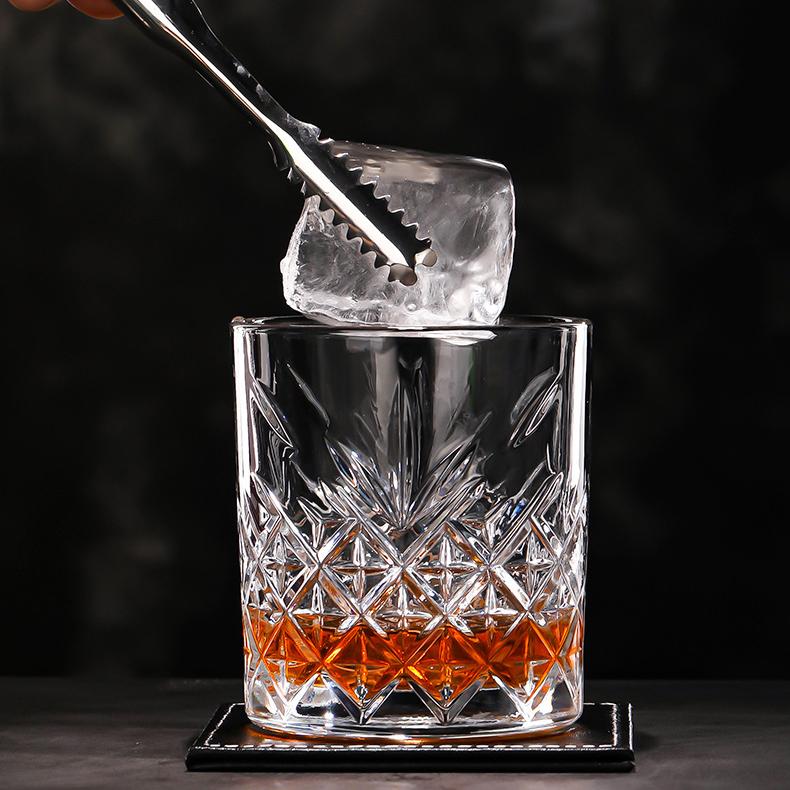
Over time, glassmaking technology continued to improve. The invention of lead crystal in the 17th century by English glassmakers marked a major milestone. Lead crystal is made by adding lead oxide to the glass mixture, which gives it a higher refractive index and greater clarity, making it sparkle in the light. This new material also made the glass easier to cut and engrave, allowing for more elaborate and decorative designs. Lead crystal wine glasses became a symbol of luxury and status, and they remain popular today, although many modern glasses now use alternative materials to avoid the potential health risks associated with lead.
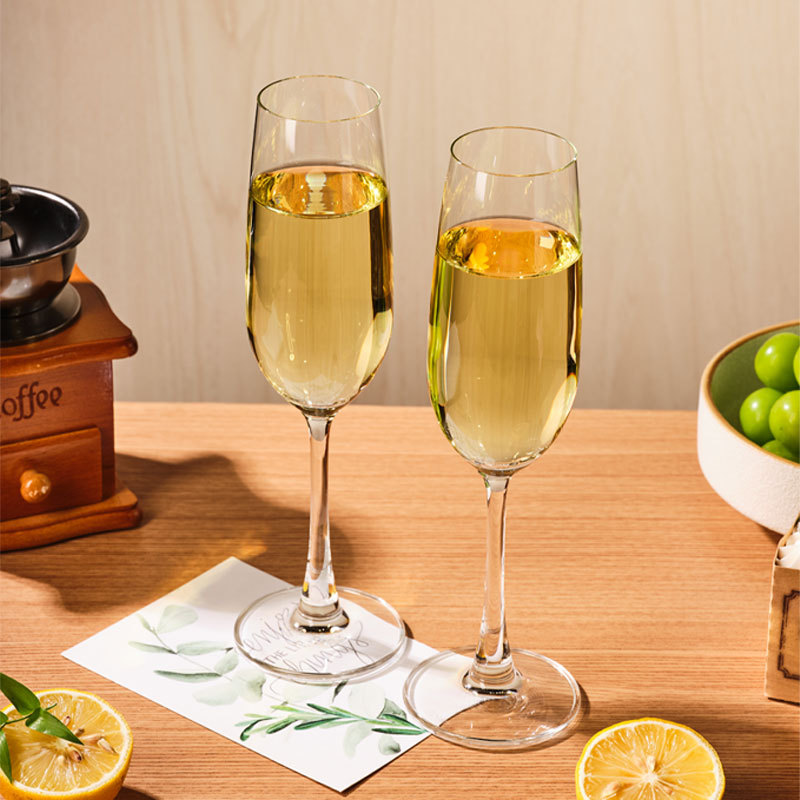
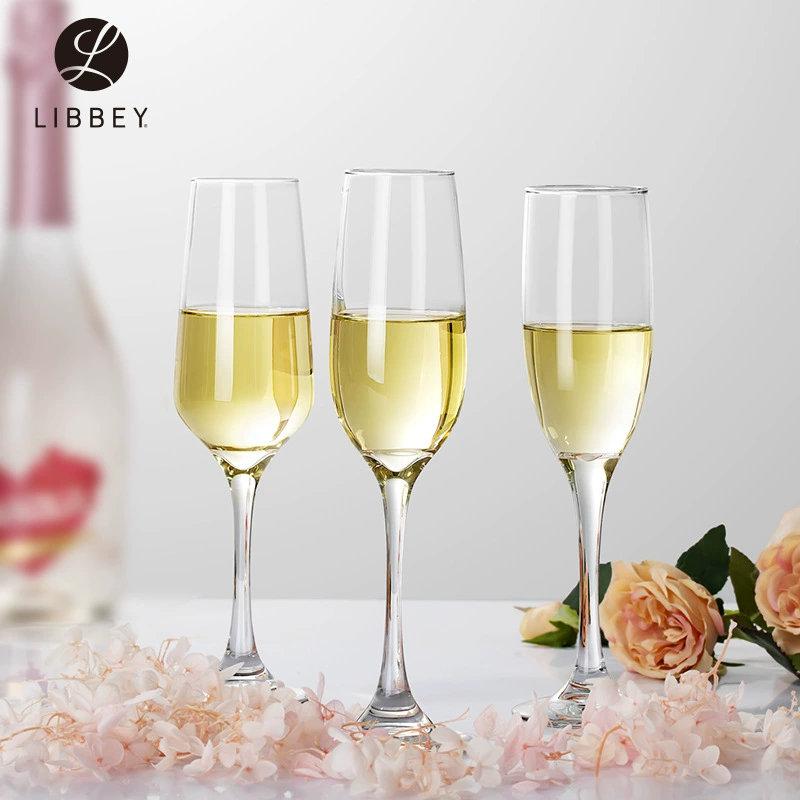
One of the key factors that make glass wine glasses so special is their ability to enhance the aroma and flavor of wine. The shape of the glass plays a crucial role in this. Different types of wine require different glass shapes to bring out their best qualities. For example, a Bordeaux glass has a large bowl and a slightly tapered rim, which allows the wine to breathe and releases its complex aromas. A Burgundy glass, on the other hand, has a wider bowl, which is designed to capture the delicate aromas of Pinot Noir and other light-bodied red wines. White wine glasses are typically smaller and narrower than red wine glasses, helping to preserve the wine's crispness and acidity. Sparkling wine glasses, such as flutes, have a tall, narrow shape that helps to retain the bubbles and enhance the effervescence.
In addition to their functional design, glass wine glasses are also works of art. Many renowned glassmakers and designers create unique and beautiful glasses that are coveted by collectors and wine enthusiasts alike. From simple, elegant designs to elaborate, hand-blown pieces with intricate patterns and engravings, there is a glass wine glass to suit every taste and occasion. Some glasses are even decorated with precious metals or gemstones, making them true luxury items.
The production of glass wine glasses is a complex and skilled process. It begins with the melting of raw materials, such as silica sand, soda ash, and limestone, at high temperatures to form molten glass. The molten glass is then shaped using a variety of techniques, including blowing, pressing, and molding. Hand-blown glasses are made by skilled artisans who use a blowpipe to shape the glass, resulting in unique and one-of-a-kind pieces. Machine-made glasses, on the other hand, are produced in large quantities using automated processes, ensuring consistency and affordability.
Proper care and maintenance of glass wine glasses are essential to ensure their longevity and performance. They should be washed by hand using mild detergent and warm water, as dishwashers can cause damage to the glass, especially if they contain harsh chemicals or high temperatures. It is also important to handle the glasses carefully, avoiding sudden temperature changes and impacts that can cause them to break.
In conclusion, glass wine glasses are more than just functional objects; they are a testament to human creativity and our love for wine. From their rich history to their intricate designs and practical benefits, they play an important role in enhancing the wine-drinking experience. Whether you are a casual wine drinker or a connoisseur, investing in a set of high-quality glass wine glasses is sure to elevate your enjoyment of this timeless beverage. So, the next time you pour yourself a glass of wine, take a moment to appreciate the craftsmanship and beauty of the glass that holds it.










Guangzhou HeXie Glass Co., Ltd.
Address: No. 22, Building 53, Haotai Hotel Supplies Expo City, Yingbin Road, Luopu Street, Panyu District, Guangzhou
Tel: +86-18011970645
Email: info@hexieglass.com
https://www.hexieglass.com