When it comes to tableware that exudes elegance and sophistication,
crystal glasses stand out as an iconic choice. Whether used for serving wine,
champagne, or even simple water, they instantly elevate the atmosphere of any occasion, appearing far more high-end than ordinary glassware. The question arises: what makes crystal glasses so visually appealing and associated with luxury? The answer lies in a combination of unique material properties, exquisite craftsmanship, optical effects, and cultural connotations that ordinary glass simply cannot match.
First and foremost, the fundamental difference between
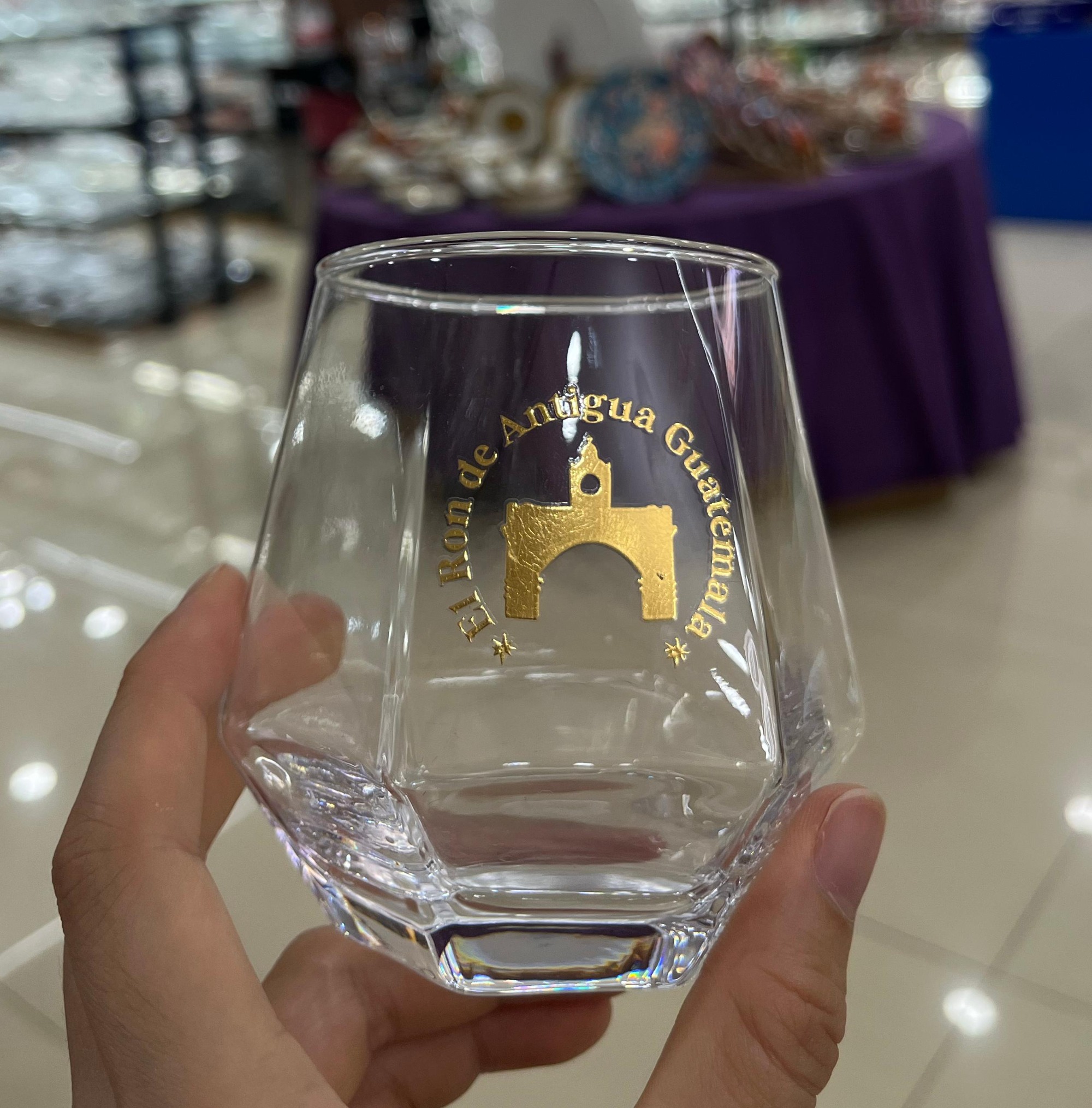
crystal and ordinary glass lies in their composition. Unlike regular glass, which is primarily made of silica, soda ash, and lime, crystal contains a significant amount of lead oxide (typically 24% or more) or other additives like barium oxide. This addition transforms the material’s characteristics in ways that directly contribute to its high-end appearance. Lead oxide increases the glass’s density and refractive index, making it far more brilliant and luminous. When light hits a crystal glass, it refracts and reflects more intensely than ordinary glass, creating a dazzling sparkle that catches the eye and gives the glass a sense of depth and richness.
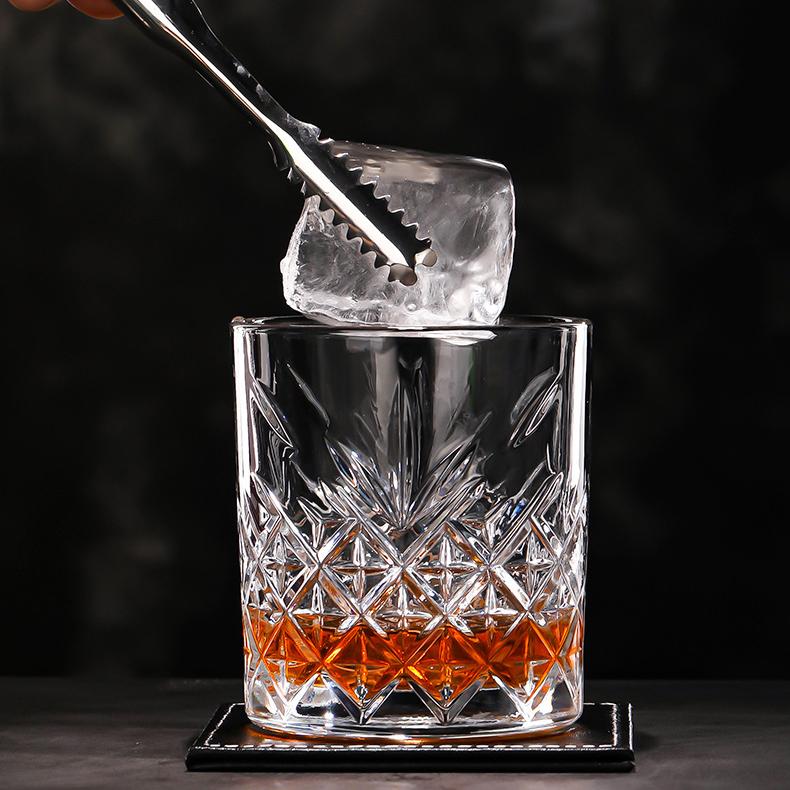
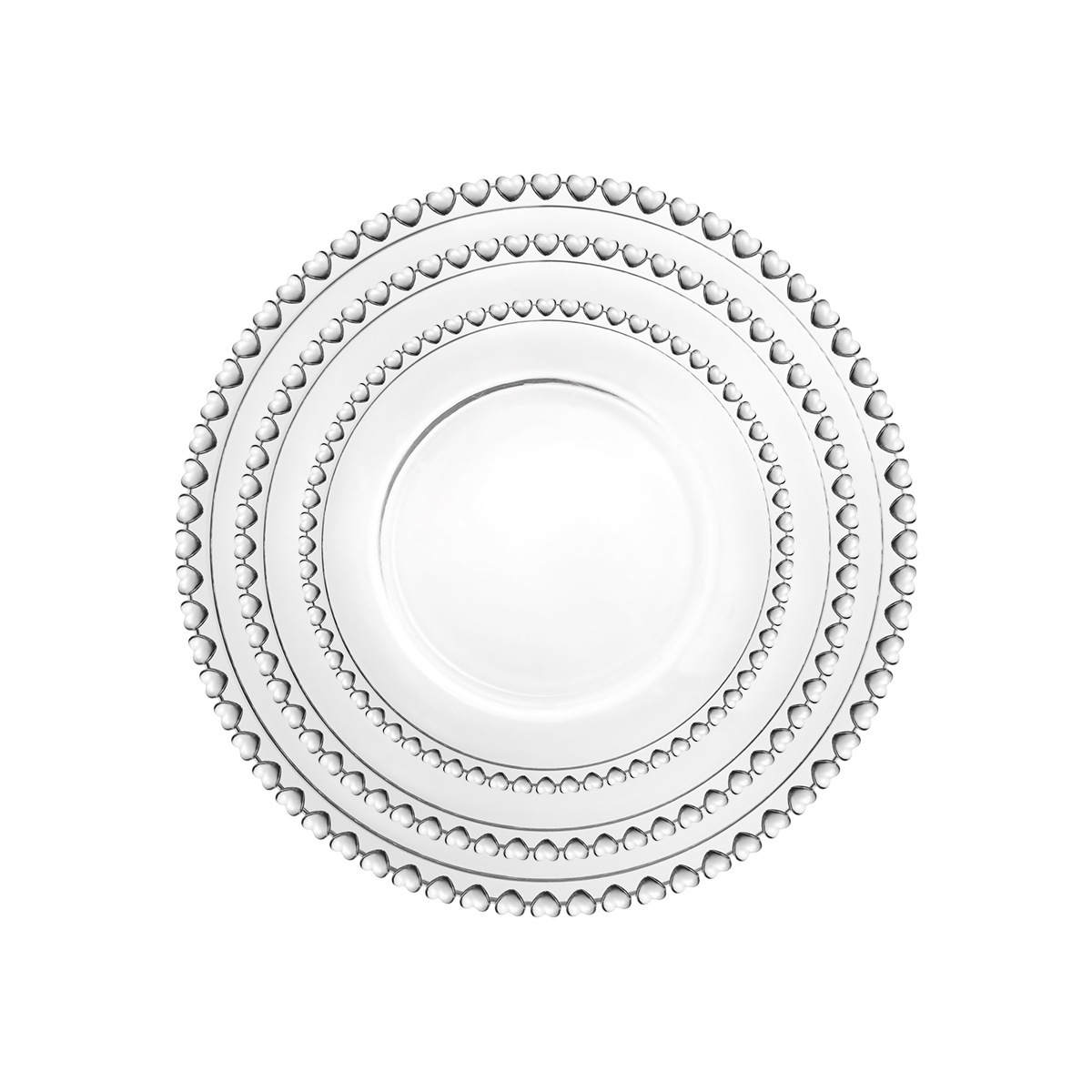
The craftsmanship involved in making crystal glasses further enhances their luxury appeal. Crystal is a harder and more malleable material than ordinary glass, allowing artisans to create intricate designs, delicate patterns, and thin, elegant shapes that are difficult to achieve with regular
glass. Skilled craftsmen often hand-cut, polish, or engrave crystal glasses, adding unique details that showcase artistry and attention to detail. These handcrafted elements make each crystal glass a small work of art, distinguishing it from mass-produced ordinary glassware that lacks such precision and character. The thin, delicate walls of crystal glasses also contribute to their refined look, as they feel lighter and more elegant in the hand compared to the thicker, bulkier feel of ordinary
glass.
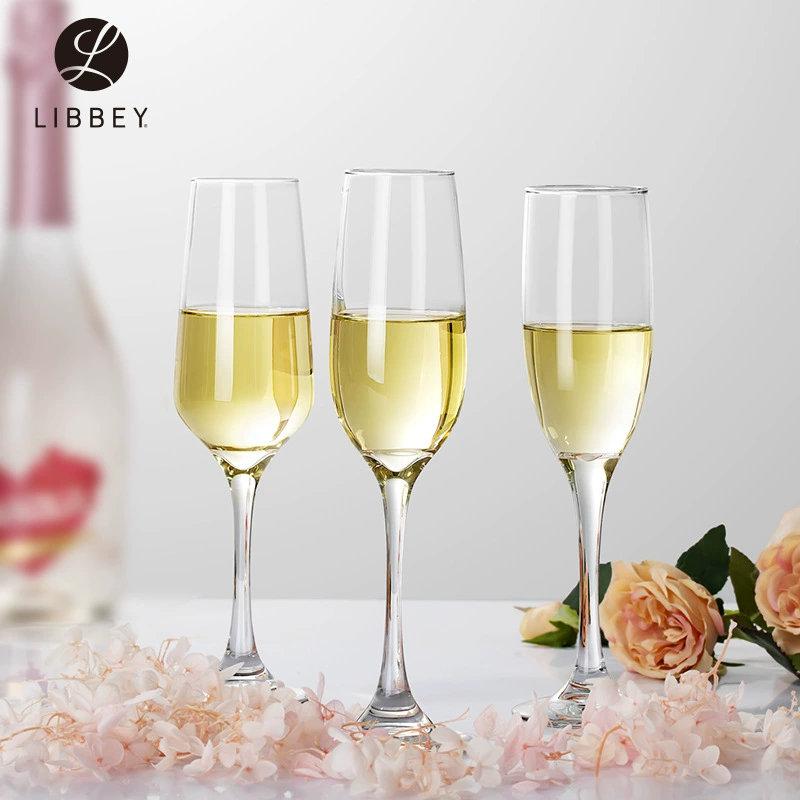
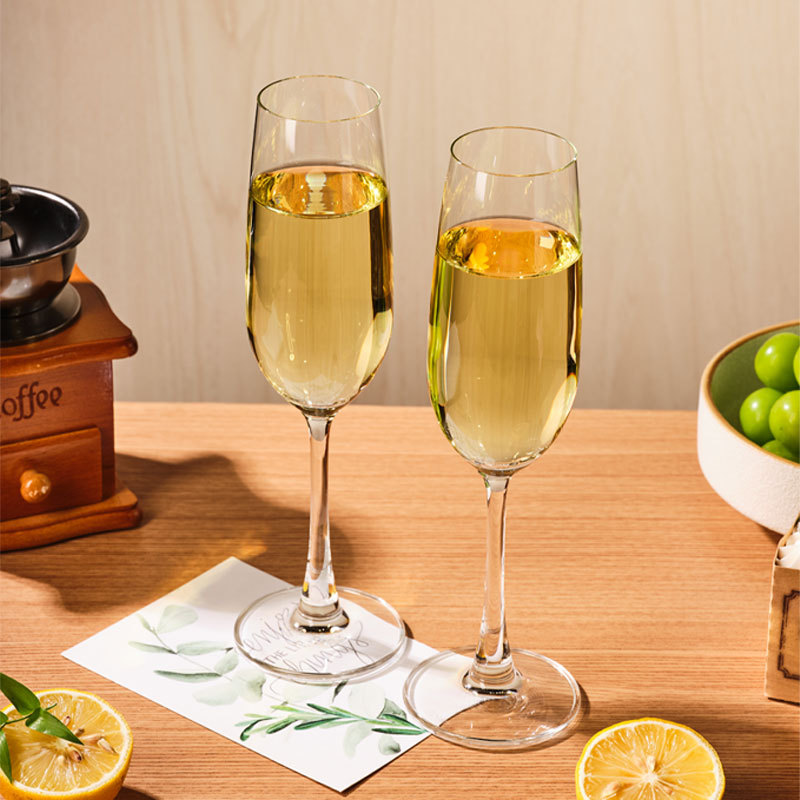
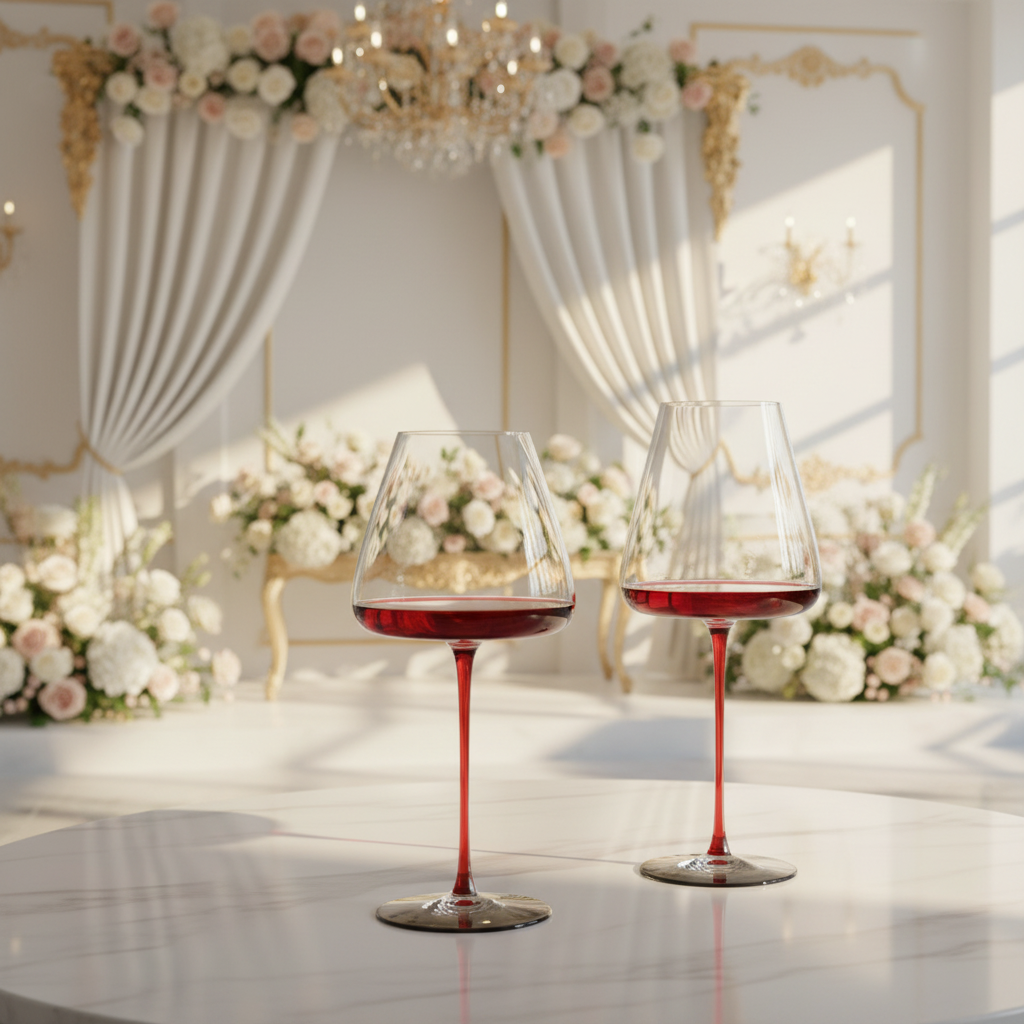
Optical clarity is another key factor that makes crystal glasses appear more high-end. Crystal has extremely high transparency, far surpassing that of ordinary glass, which often has a slight green or blue tint. This exceptional clarity allows the true color of the liquid inside to shine through, whether it’s the deep red of a Bordeaux, the golden hue of a champagne, or the clear purity of water. This transparency not only enhances the visual appeal of the drink but also creates a sense of purity and sophistication, making the entire drinking experience more enjoyable and luxurious.
Beyond material and craftsmanship, crystal glasses carry a long history of cultural and social significance that adds to their high-end reputation. For centuries, crystal has been associated with wealth, nobility, and special occasions. It was once a luxury item accessible only to the upper class, used in royal courts and elegant gatherings. This historical association has been passed down through generations, making crystal glasses a symbol of taste, refinement, and celebration. Even today, using crystal glasses is seen as a way to add a touch of elegance to everyday moments or mark important events, reinforcing their status as a high-end choice.
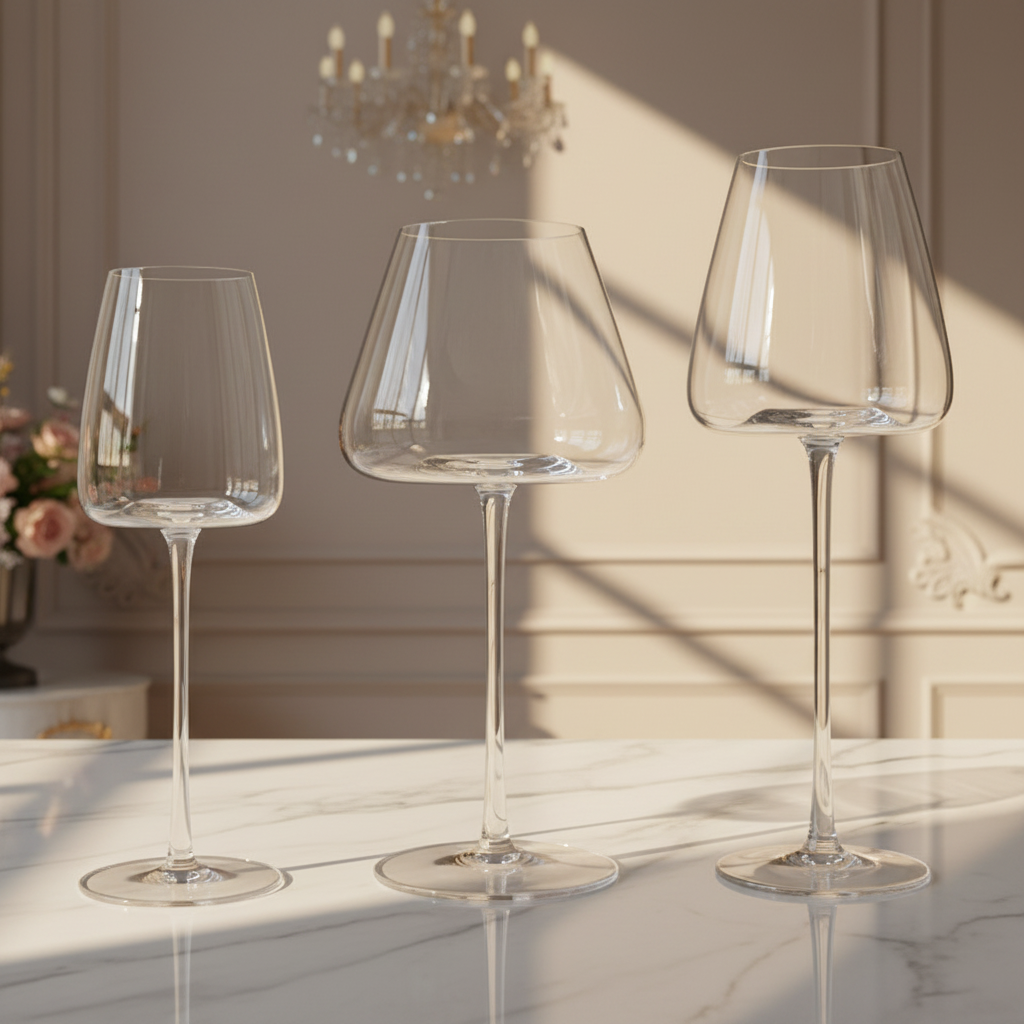
In conclusion, the high-end appearance of crystal
glasses is not a coincidence but a result of their unique material composition, exquisite craftsmanship, superior optical properties, and rich cultural connotations. The sparkle from their high refractive index, the intricate details from skilled craftsmanship, their exceptional clarity, and their historical association with luxury all come together to make crystal glasses a timeless symbol of elegance. Whether used in formal events or everyday life, they have the power to transform a simple drink into a sophisticated experience, which is why they continue to be cherished as a high-end tableware choice.