So, why the different
shapes? It all comes down to directing the wine to the right part of your palate and managing the aroma.
The Bordeaux Glass: Taming the Bold
Designed for: Cabernet Sauvignon, Merlot, Malbec, and other Bordeaux-style blends.
The Shape:
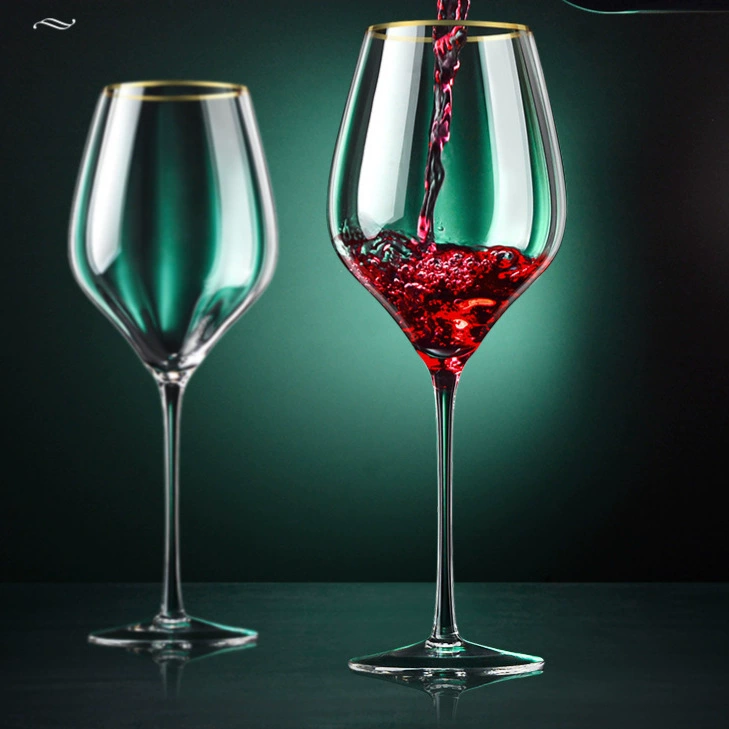
· Taller and more upright. The Bordeaux glass features a pronounced, tall bowl that is narrower at the top.
· Less "bowl-like" compared to its Burgundian cousin.
The Science & The Experience:
The primary goal of the Bordeaux glass is to deliver the wine directly to the back of the mouth. This part of your palate is more sensitive to bitterness and tannins. By directing a bold, tannic wine like a young Cabernet Sauvignon to this area, the glass actually helps to soften the perception of astringency, making the wine feel smoother and more integrated.
Furthermore, the taller shape provides a longer journey from the bowl to your mouth. This allows for better aeration (oxygenation), which helps to open up the complex aromas and allows some of the more volatile compounds to evaporate, softening the wine's edges. The narrower opening also helps to concentrate the often intense aromas of dark fruit, tobacco, and cedar right to your nose.
In short: The Bordeaux glass is an engineer. It's designed to structure and soften a powerful wine.
The Burgundy Glass: Embracing the Delicate
Designed for: Pinot Noir, Gamay, and other delicate reds.
The Shape:
· Wide and balloon-like. The Burgundy glass has a much broader, rounder bowl.
· Shorter with a larger surface area.
The Science & The Experience:
The philosophy behind the Burgundy glass is the opposite. Pinot Noir, the king of Burgundy, is celebrated for its delicate, complex aromatics—think red berries, violets, earth, and spices—and its lower tannin levels. The goal here is to guide the wine to the tip of the tongue, where we perceive sweetness and fruitiness.
The wide bowl of the Burgundy glass maximizes the wine's exposure to air, encouraging its fragile aromas to open up and blossom without overwhelming them. As you sip, the wine rolls effortlessly onto the front of your palate, highlighting its fruit and silky texture, while downplaying any acidic or bitter notes.
In short: The Burgundy glass is an artist. It's designed to unveil and celebrate the delicate, aromatic poetry of a wine like Pinot Noir.
---
The Connection: More Than Just Stemware
While they are designed for different wines, Bordeaux and Burgundy glasses share a common philosophy:
1. The Pursuit of Balance: Both are meticulously crafted to create a more harmonious tasting experience. They are tools to minimize a wine's weaknesses and maximize its strengths.
2. Aroma is Everything: The shape of both glasses is fundamentally about managing the bouquet. They capture, concentrate, and deliver the unique aromatic profile of the wine directly to your nose, which is responsible for the majority of what we perceive as "flavor."
3. A Testament to Terroir: These glasses are a physical manifestation of the "terroir" concept. They acknowledge that wines from different regions, made from different grapes, have unique characteristics that deserve a tailored vessel.
The Final Sip: Which One Should You Use?
· Drinking a bold, structured red? Reach for the Bordeaux glass.
· Savoring a light, aromatic red? The Burgundy glass is your best friend.
· What about white wines? While specific glasses exist, a smaller version of the Bordeaux glass works well for full-bodied whites like oaked Chardonnay, while a smaller Burgundy glass can be lovely for aromatic whites like Chardonnay from Burgundy itself.
Investing in these two glass types is one of the simplest and most impactful upgrades any wine enthusiast can make. It’s a small change that makes a world of difference, turning a simple glass of wine into a truly immersive experience. Cheers!!


 11November 2025
0Comments
582Views
11November 2025
0Comments
582Views