Let's dive into the preferred vessels for America's favorite beverages.
The King of Casual: The
Pint GlassNo glass is more ubiquitous in American bars than the humble pint glass. Specifically, the shaker pint—that simple, stackable, slightly tapered tumbler. While purists might argue it's not ideal for releasing a beer's aroma, its durability and no-fuss nature have made it the undisputed workhorse of the American bar scene. It’s the default for everything from a classic lager to a pale ale, signaling a relaxed, easy-going drinking experience.
For craft beer enthusiasts, however, the preferences get more specific. You'll often see IPAs in a tulip glass to concentrate its hoppy bouquet, or wheat beers in a tall, slender weizen glass to show off the color and sustain the fluffy head. The snifter, once reserved for brandy, is now the preferred choice for high-ABV stouts and barleywines, allowing the drinker to swirl and savor the complex aromas.
The Wine Glass: A Shape for Every Sip
Americans have fully embraced the philosophy that the shape of the wine glass impacts taste. The basic all-purpose Bordeaux or Cabernet glass is a staple in most households—a large bowl with a tall stem, perfect for bold reds. For more delicate Pinot Noirs, the wider, rounder bowl of a Burgundy glass is preferred to enhance its aromatic subtleties.
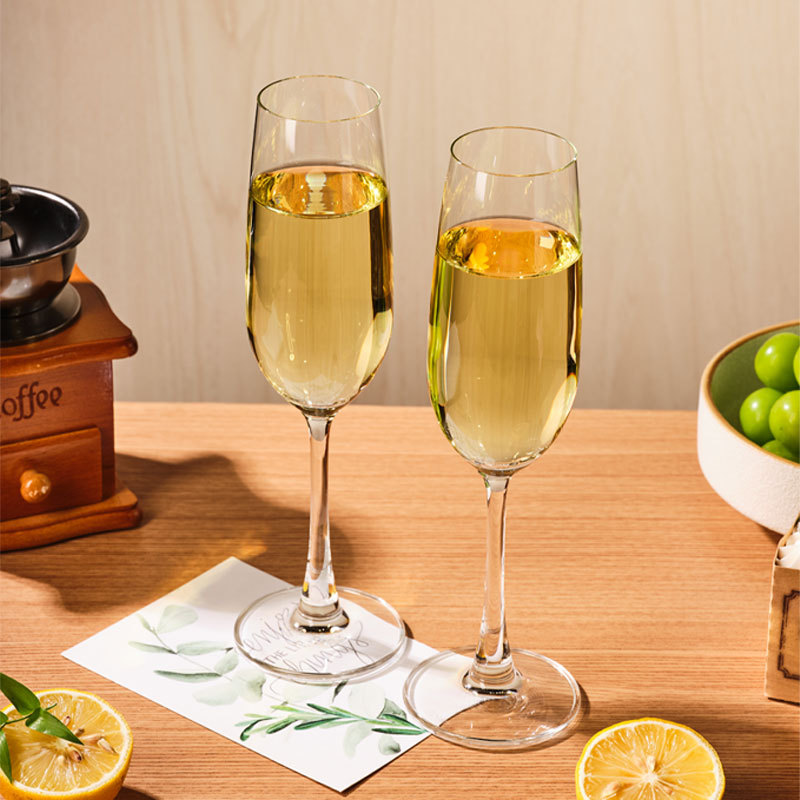
For white wines, the smaller-bowled, upright Chardonnay or Sauvignon Blanc glass helps maintain cooler temperatures and direct brighter acidity. And let's not forget the ultimate symbol of celebration: the flute. While sommeliers are now championing the wider coupe or even white wine glasses for Champagne to appreciate its full flavor profile, the flute remains the popular favorite for its elegant presentation and its ability to preserve those precious bubbles.
Cocktail Culture: The Art of the Vessel
American cocktail culture is where glassware truly becomes part of the performance.
· The Martini Glass: The iconic, long-stemmed, V-shaped cone is instantly recognizable. It’s designed to keep your hands from warming the drink and to present a cocktail like a martini or cosmopolitan with sleek sophistication.
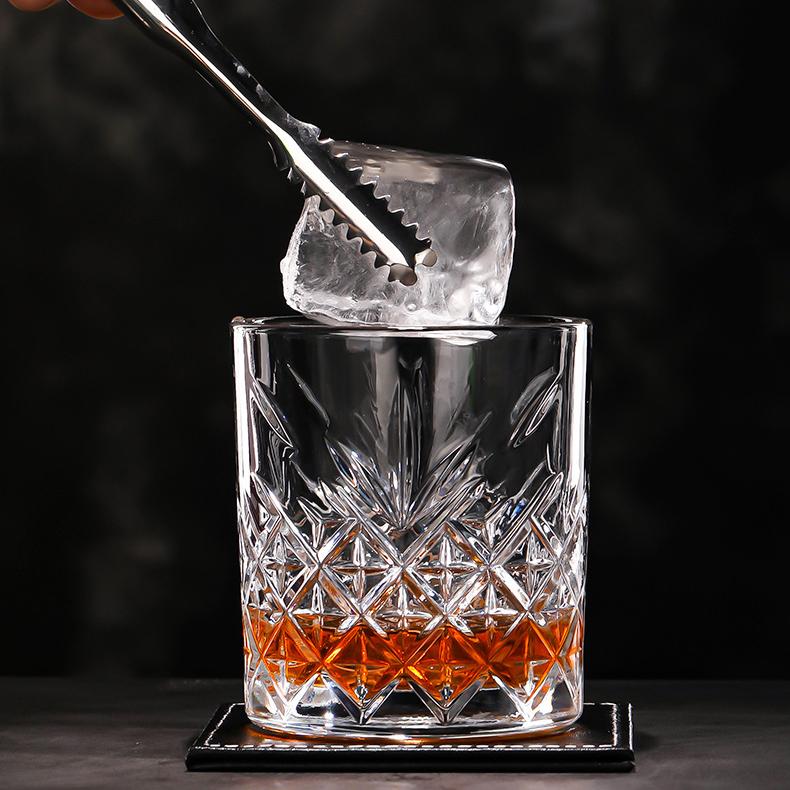
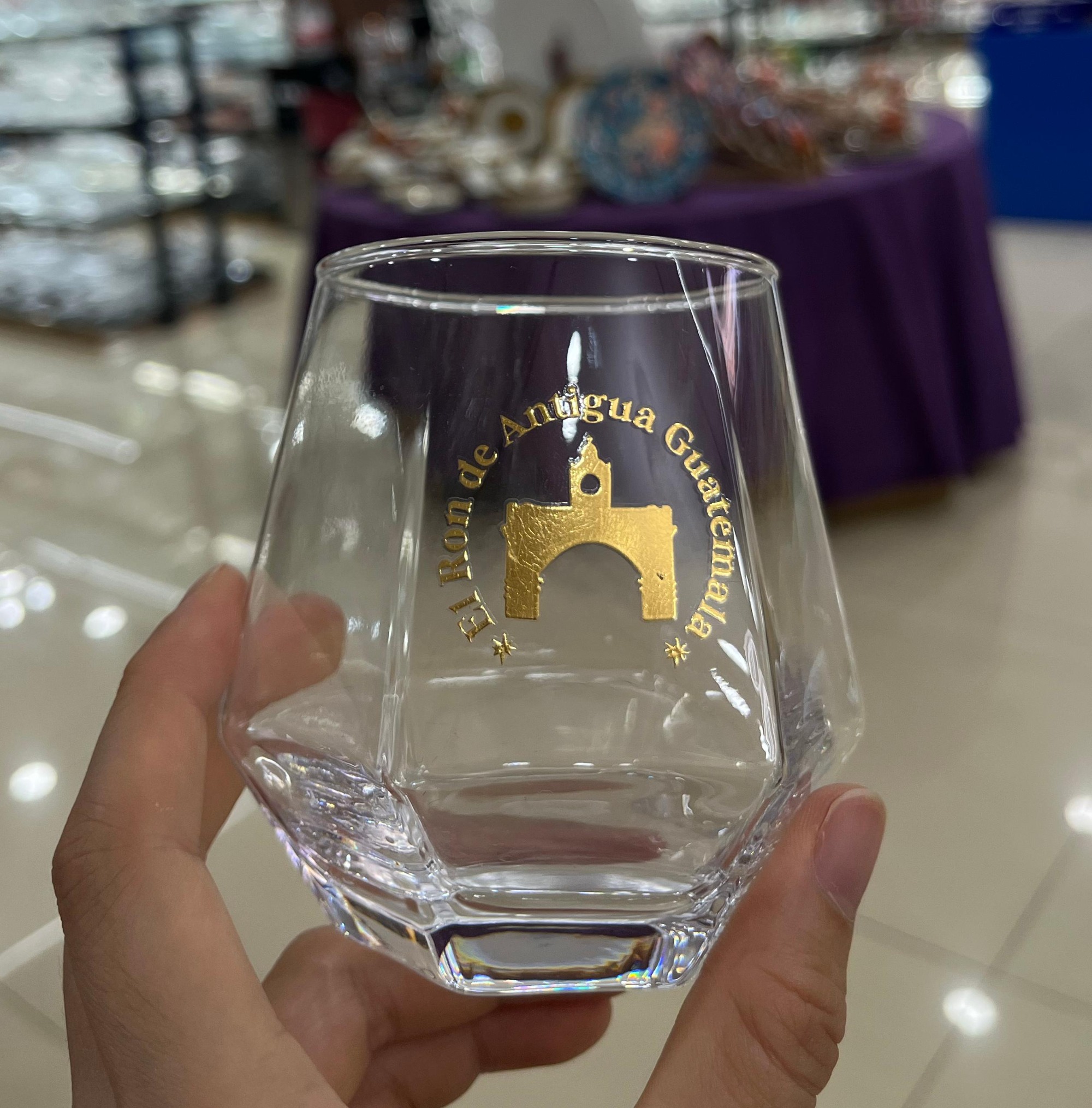
· The Lowball (or Rocks Glass): Short, stout, and incredibly versatile. This is the go-to for spirits served "on the rocks," like whiskey, scotch, or bourbon, as well as for stirred classics like the Old Fashioned. It feels substantial and comforting in your hand.
· The Highball Glass: Tall, narrow, and perfect for drinks that need room to breathe and dilute. Think Gin & Tonic, Moscow Mule, or a simple Rum and Coke. It’s the canvas for refreshing, bubbly, and juice-based cocktails.
· The Tiki Mug: For a dose of pure, escapist fun, nothing beats the wildly creative Tiki mug. From carved wooden idols to ceramic volcanoes, these vessels are an essential part of the American tiki bar experience, turning a rum-based cocktail into a miniature vacation.
The Spirit of Straight Spirits
For sipping fine whiskey, bourbon, or rye neat, the Glencairn glass has become a modern favorite. Its tulip shape concentrates the aroma, while its solid base is perfect for swirling. It’s the serious drinker's glass of choice, bridging the gap between a snifter and a rocks glass.
The Unspoken Rule: Context is Key
Ultimately, the American preference for drinking vessels is deeply tied to context. A craft beer from a tulip glass at a specialized brewery, a cheap lager from a red Solo cup at a backyard barbecue, an expensive bourbon from a Glencairn in a dimly lit lounge—each vessel sets the tone and enhances the ritual of the drink.
So, the next time you raise a glass in the U.S., take a moment to appreciate the vessel in your hand. It’s not just a container; it’s a key ingredient in the American art of drinking.
What's your go-to glass for your favorite drink? Share your thoughts in the comments below!


 26November 2025
0Comments
403Views
26November 2025
0Comments
403Views