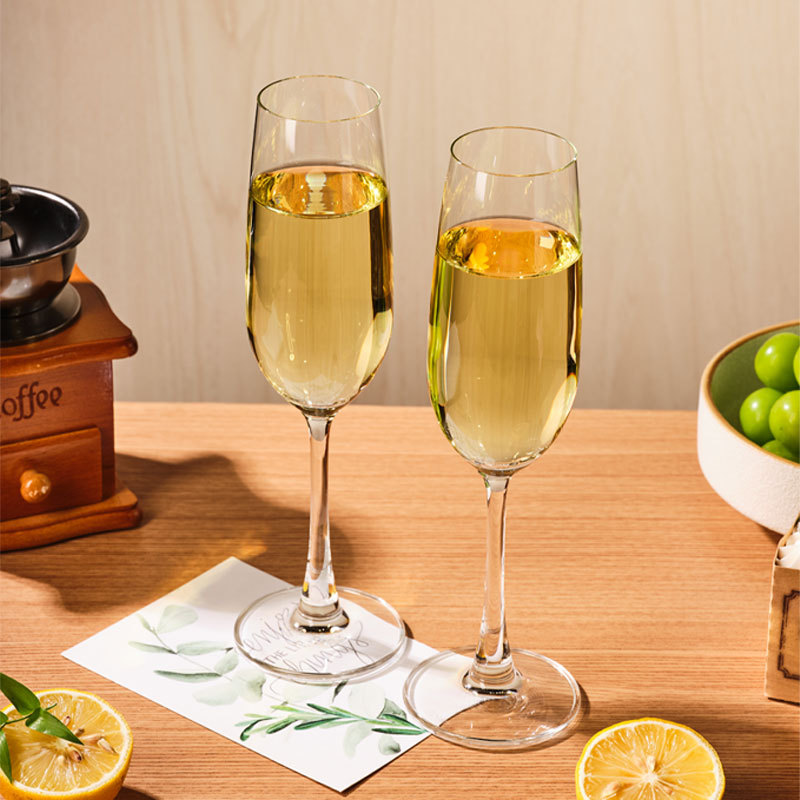
IntroductionBeer, one of the oldest and most popular beverages in the world, has a long - standing relationship with the containers from which it is consumed. The history of the beer glass is a fascinating journey that reflects the evolution of human civilization, technological advancements, and changing tastes. From the simple vessels of ancient civilizations to the highly specialized glasses of today, the beer glass has come a long way.
Ancient BeginningsThe consumption of beer dates back thousands of years. In ancient civilizations such as Mesopotamia and Egypt, beer was an important part of daily life. However, the containers used to drink beer were far from the glassware we know today. People primarily used vessels made from clay, earthenware, or animal horns. These materials were readily available and easy to work with. Clay vessels, for example, could be molded into various shapes and sizes, and they provided a practical way to store and consume beer. The ancient Egyptians, in particular, had a well - developed brewing industry, and their beer was often consumed from simple, unadorned clay pots. These early beer - drinking vessels were functional rather than aesthetically pleasing, designed mainly to hold the liquid and get it to the drinker's mouth.
The Emergence of GlassThe development of glass was a game - changer in the history of beer glasses. The exact origin of glass - making is somewhat debated, but it is believed to have emerged around 3500 - 3000 BC in the region of Mesopotamia or Egypt. Initially, glass was a rare and precious material, used mainly for making jewelry and small decorative objects. It was not until much later that glass began to be used for drinking vessels.
The Romans played a significant role in the early development of glass - making techniques. By the 1st century AD, they had mastered the art of glass - blowing, which allowed for the creation of more intricate and delicate glass objects. Glass drinking vessels became more common among the Roman elite, although they were still relatively expensive and not widely accessible. The Romans also introduced the concept of using glass to showcase the contents of the vessel, which set a precedent for future beer glass design.
 Medieval and Renaissance Periods
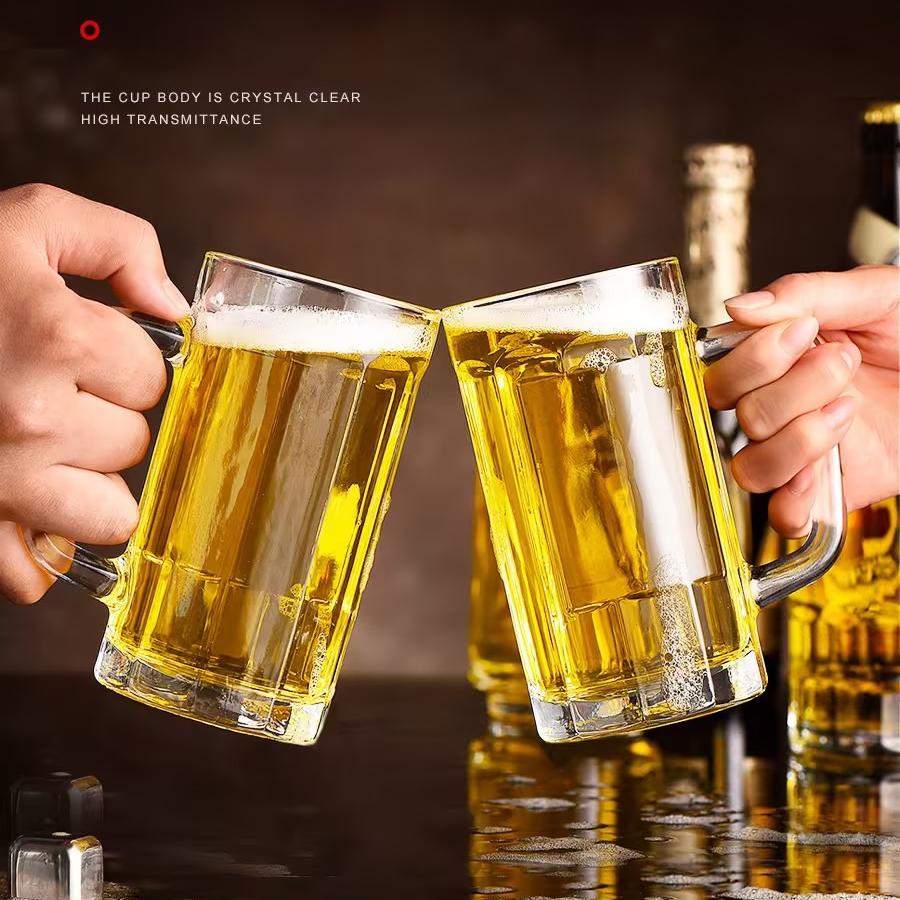
During the Middle Ages in Europe, beer consumption continued to grow. However, the use of glass beer glasses was still limited. Instead, people commonly used tankards made from materials like pewter, wood, or leather. Pewter tankards were popular among the wealthier classes because they were durable and could be decorated with intricate designs. Wood and leather tankards were more common among the lower classes due to their lower cost.
In the 16th century, things began to change. Germany is often credited with creating the first glass beer mugs. These early glass beer glasses were typically made of thick glass and had a handle for easy drinking. They were more practical than the delicate glassware of the Roman era and were designed to withstand the rough - and - tumble environment of medieval taverns. The thick glass also helped to keep the beer cool for longer.
As the Renaissance brought about a renewed interest in art and craftsmanship, beer glasses became more elaborate. Glass - makers began to experiment with different shapes and designs, and some beer glasses were adorned with beautiful etchings or enamel work. These decorative beer glasses were not only functional but also served as status symbols, often owned by the wealthy and used to impress guests.
The 19th Century: Industrialization and SpecializationThe 19th century was a period of rapid industrialization, and this had a profound impact on the production of beer glasses. With the advent of new manufacturing technologies, glass could be produced on a much larger scale and at a lower cost. This made glass beer glasses more accessible to the general public, and they began to replace other types of drinking vessels in many parts of the world.
At the same time, the beer - brewing industry was also evolving. Different styles of beer were being developed, and this led to the creation of specialized beer glasses. For example, the pilsner glass emerged in the 19th century to showcase the light - colored, highly carbonated pilsner beer that originated in the Czech Republic. The tall, slender shape of the pilsner glass was designed to enhance the beer's visual appeal, allowing the drinker to appreciate its clarity and the fine bubbles rising to the surface.
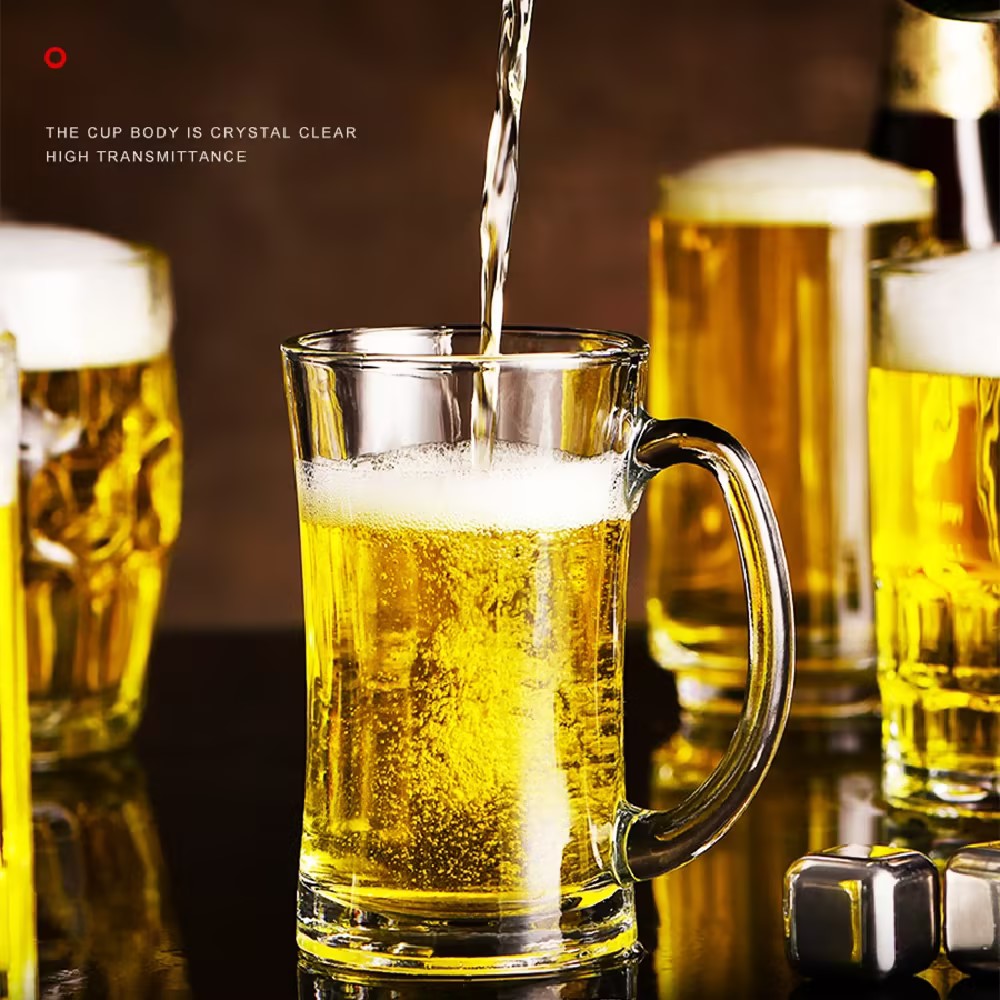
In the United States, the 16 - ounce pint glass became popular. Originally, it was used to fit the top of a martini shaker, but bartenders quickly realized that it was the perfect vessel for pouring beer from taps. The pint glass allowed for the release of carbonation and enhanced the beer's aroma, making it a favorite among both bartenders and beer drinkers.
 The 20th Century and Standardization
During the 20th century, beer glasses became more standardized. Many breweries adopted standard glassware for their beers, which helped to create a consistent brand image. This standardization also made it easier for bars and restaurants to stock and manage their glassware inventory.
However, there was also a growing interest in traditional and specialty beer glasses. As the craft beer movement gained momentum in the latter part of the 20th century, beer enthusiasts began to appreciate the role that glassware plays in enhancing the flavor and aroma of beer. Glass - makers responded by creating a wide variety of specialized glasses, each designed to complement a specific style of beer. For example, the tulip - shaped glass became popular for Belgian ales. Its bulbous shape helps to trap the beer's aromas, while the narrow top allows for a more concentrated sniff and a controlled sip.
Modern Beer Glasses: A Reflection of DiversityToday, the world of beer glasses is incredibly diverse. There are glasses for every type of beer, from the classic pint glass for ales and lagers to the snifter for strong, flavorful beers like stouts and barleywines. Some glasses are designed with unique features, such as etched lines to indicate the proper pour or a special lip design to enhance the drinking experience.
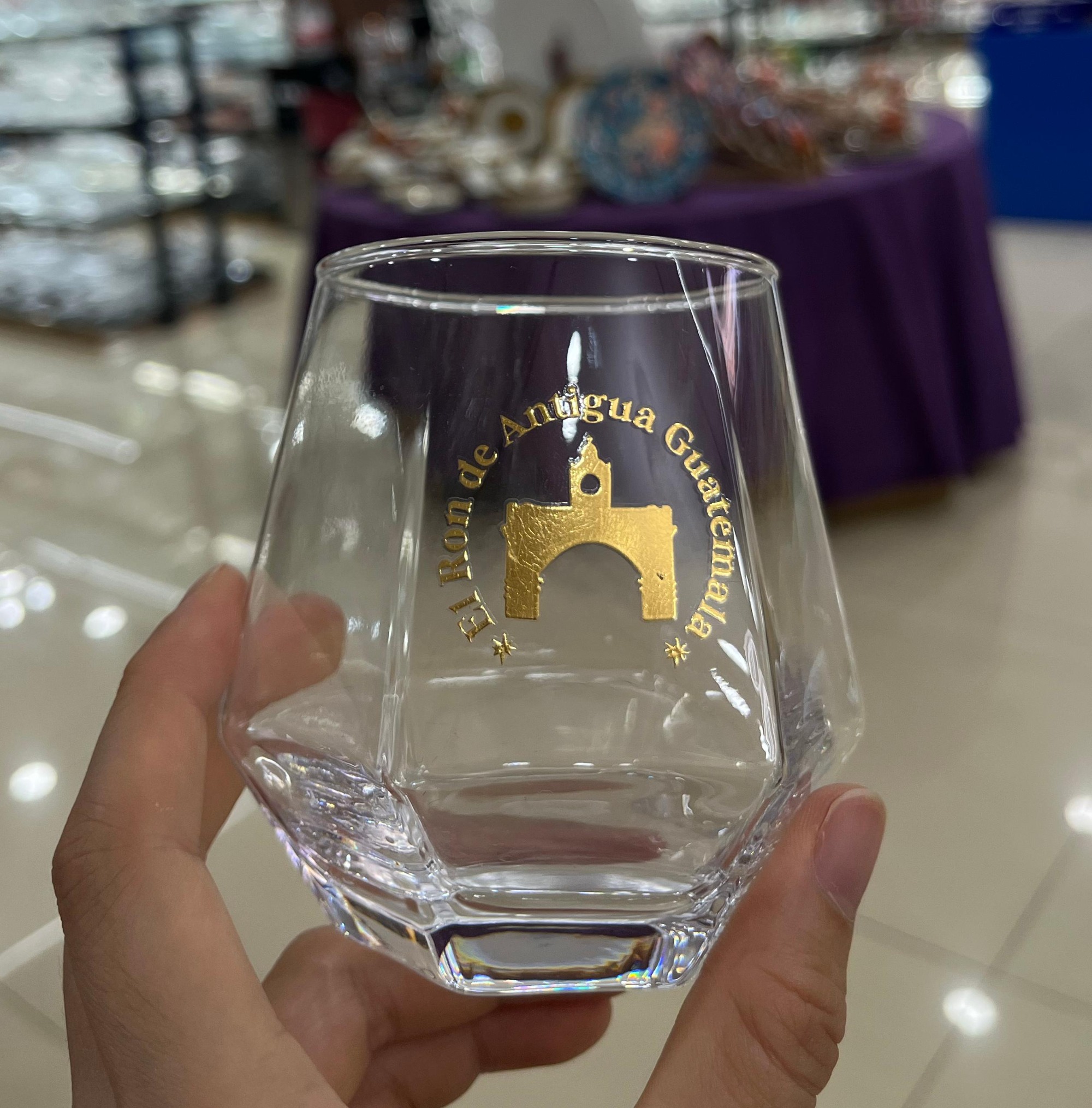
Craft breweries often collaborate with glass - makers to create custom beer glasses that showcase their brand and the unique qualities of their beers. These glasses may feature the brewery's logo, special etchings, or a design that is inspired by the beer's ingredients or brewing process. In addition, there is a growing trend towards using sustainable materials in glass - making, as consumers become more environmentally conscious.
ConclusionThe history of the beer glass is a rich and complex one, intertwined with the history of beer itself and the broader history of human civilization. From the humble clay pots of ancient times to the sophisticated, specialized glasses of today, beer glasses have evolved to meet the changing needs and tastes of beer drinkers. They not only serve as functional containers for beer but also as objects of art and design, reflecting the cultural and social values of the times. Whether you're enjoying a cold pint at your local pub or savoring a rare craft beer in a specialty glass, the beer glass is an essential part of the beer - drinking experience, connecting us to the past while looking forward to the future of beer culture.


 19June 2025
0Comments
634Views
19June 2025
0Comments
634Views