A Rich History Rooted in Quality
Libbey’s origins trace back to 1818 when the New England Glass Company was established in East Cambridge, Massachusetts. The company’s big break came in 1888 when Edward Libbey moved operations to Toledo, Ohio, a city now known as "The Glass Capital". It was here that the brand officially became Libbey Glass Company in 1892.
Libbey didn’t take long to make its mark. At the 1893 Columbian World Exposition in Chicago, the company showcased a stunning glass dress created for Spanish Princess Eulalia, captivating the public and solidifying its reputation for craftsmanship. This early emphasis on artistic excellence and technical skill laid the foundation for Libbey’s enduring legacy.


Innovations That Transformed the Industry
Libbey’s success isn’t just built on tradition—it’s also driven by a spirit of innovation. Over the years, the company has introduced groundbreaking technologies that revolutionized glassware production:
· The World’s First Automatic Bottle-Making Machine: In 1901, Libbey engineer Michael Owens invented this pioneering equipment, drastically improving efficiency and standardization while making glassware accessible to households everywhere.
· The First Automated One-Piece Stemware Machine: In 1970, Libbey developed and patented technology to produce seamless stemware, reducing breakage in commercial settings and becoming the top choice for hospitality clients.
For over 200 years, Libbey
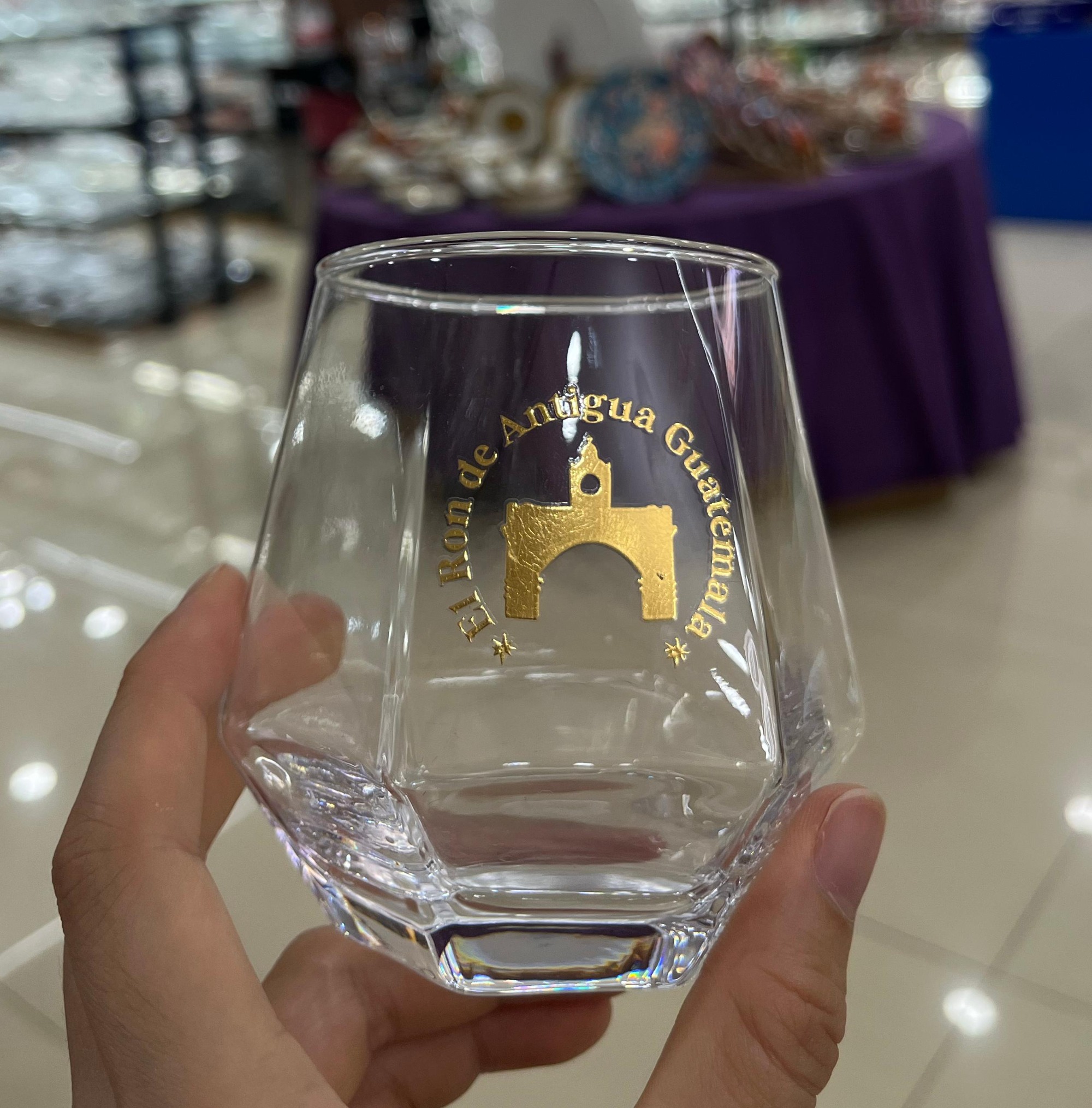
Glassware has demonstrated that tradition and innovation can coexist. From its historic breakthroughs in automation to its modern-day advances in material science, Libbey has never stopped pushing the boundaries of what glassware can be. The next time you hold a Libbey glass—whether it’s a classic Gibraltar rock glass that revolutionized coffee culture or a beautifully designed stemware piece—remember that you’re not just holding a glass; you’re holding a piece of history, crafted to endure.
Have you experienced Libbey glassware? Share your thoughts in the comments below!


 15October 2025
0Comments
528Views
15October 2025
0Comments
528Views