The History of Wine Decanter

Visitor Elsie 14May 2025 0Comments 653Views
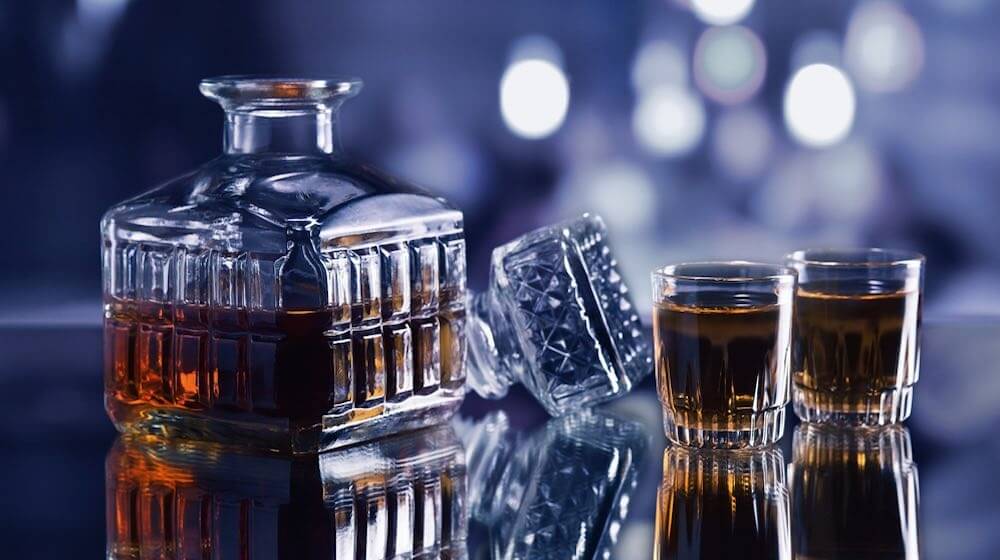
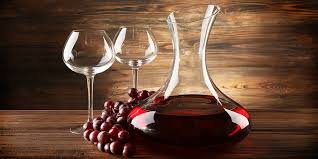
A decanter is a container that is used to hold the decantation of a liquid (such as wine,whisky, liquid) which may contain sediment. Decanters, which have a varied shape and designs, have been traditionally made from glass or crystal. As you can see, its volume is usually equivalent to one standard bottle of wine (0.75 litre and 1 litre).
The History of Wine Decanter?cid=3

The containers would be filled with wine from amphoras and brought to the table where they could be more easily handled by a single servant. 

The decanter has a thin neck and big stomach. We think it's beautiful when we're tasting wine, but it's probably a bit tricky to get rid of the remaining wine or other beverages from the decanter. In fact, the most commonly used method is to use beads in the sober mixer, to achieve the goal of thorough cleaning.
The History of Wine Decanter?cid=3The History of Wine Decanter?cid=3

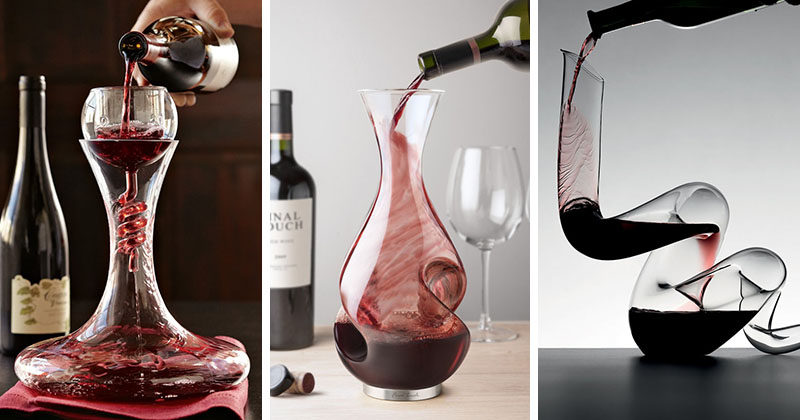
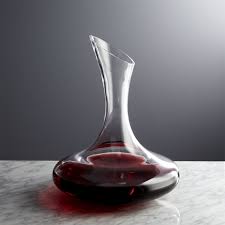
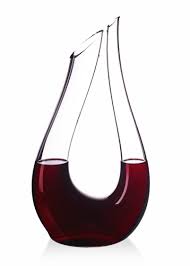
The shape sign of decanter is usually long neck and big belly. With the change of fashion trend, various new style containers emerge in endlessly. Combining with beautiful decoration, it makes the table with delicious wine more elegant. The first generation of decanter apparatus is a classical water drop structure which can be usually seen; the second generation of sobering apparatus has a bottle opening at the top of the side and the shape of the bottle is composed of two triangles; the third generation of sobering apparatus is similar to the first generation of sobering apparatus in style, with narrow upper and wide lower sides and elegant lines.

When it comes to the history of wine, decanters have played a significant role in the serving of wine. The Ancient Romans pioneered the use of glass as a material.  After the fall of the Western Roman Empire, glass production became scarce causing the majority of decanters to be made of bronze silver gold, or earthenware.The Venetians reintroduced glass decanters during the Renaissance period and pioneered the style of a long slender neck that opens to a wide body, increasing the exposed surface area of the wine, allowing it to react with air. In the 1730s, British glass makers introduced the stopper to limit exposure to air. Since then, there has been little change to the basic design of the decanter.
The History of Wine Decanter?cid=3
One thing, it makes red wine fully contact with air to oxidize liquor and soften tannin. It is also possible to remove sediment from wine and taste it directly and not feel the real taste. For aged red wines, tannins and pigments form sediments over a long period of time. Pouring in a cup is not only a hindrance, but also a little bitter and astringent. So after opening the bottle, in principle, the wine should be injected into the sobering device smoothly and slowly, leaving the sediment at the bottom of the bottle. 
The History of Wine Decanter?cid=3

For shallow-aged red wine, the opening time (including the flow process during the injection) of the sobering device can make the liquor contact the air in a large area (the space and opening of the sobering device are larger). This process is called Breathing, commonly known as Breathing. In addition, after "changing bottles" for aged red wine, bartenders usually consult customers: Do you need to wake up The aim is to allow the possible sulfide odor to dissipate as soon as possible.The usual practice is to pour red wine into the decanter for several hours after opening the bottle. Let red wine and indoor air fully contact before drinking. A decanter can make a bottle of ordinary wine honorable.  Elegant crystal utensils, romantic candlelight and meticulous bartender in black tuxedo add a touch of nobility, dignity and even sacredness to the banquet. 

To some extent, the use of decanter is not only for good drinking, but also for good-looking.

Liquid from another vessel is poured into the decanter in order to separate a small volume of liquid, containing the sediment, from a larger volume of "clear" liquid, which is free of such. In the process, the sediment is left in the original vessel, and the clear liquid is transferred to the decanter. This is analogous to?racking, but performed just before serving.

Decanters have been used for serving wines that are laden with sediments in the original bottle. These sediments could be the result of a very old wine or one that was not filtered or clarified during the?winemaking?process. 

POST YOUR COMMONT
Name
E-mail
Content
Verification code
ver_code
Latest Posts
Beyond the Bottle: A Guide to American Drinking Vessel Preferences
When it comes to enjoying a drink in the United States, what you drink from is almost as important as what you drink. American culture has a fascinating, sometimes unspoken, set of rules and preferences for glassware. It’s a blend of tradition, practicality, and a touch of marketing genius.
Beyond the Drink: How Your Glassware Shapes the Cocktail Experience
We spend so much time discussing spirits, mixers, and techniques, but there's a silent, elegant hero in the world of mixology that often doesn't get the credit it deserves: the glassware. The vessel you choose for your cocktail is far from just a container; it's a crucial piece of engineering that directly influences aroma, temperature, mouthfeel, and even your perception of taste.
The Wine Lover's Guide: Bordeaux vs. Burgundy Glasses
Walk into any well-stocked wine bar or a serious collector's home, and you'll notice more than one type of wine glass. While a universal glass is a great all-rounder, the magic truly happens when you match your glass to your wine. Two of the most iconic shapes you'll encounter are the Bordeaux glass and the Burgundy glass. They may look similar at first glance, but their subtle differences are designed to elevate two very distinct wine experiences.
Beyond the Drink: How Custom Glassware Elevates a Theme Restaurant's Story
Walk into any restaurant, and you'll be handed a menu. But before you even read the first item, you've already been handed another, more subtle menu—one composed of your surroundings. The lighting, the music, the decor, and yes, even the glass your water arrives in, all tell a story. For theme restaurants, this narrative is everything. And the choice between custom glassware and standard, off-the-shelf glasses can be the difference between a good experience and an unforgettable one
Why Libbey Glassware is the Go-To Choice for Restaurants Worldwid
When you step into a restaurant, the first thing that often catches your eye—aside from the menu—is the glassware. From sleek tumblers to elegant wine glasses, the vessels holding your drinks play a subtle yet significant role in shaping your dining experience. Among the many brands available, one name consistently stands out in the hospitality industry: Libbey. But why are so many restaurants, from cozy neighborhood bistros to high-end dining establishments, choosing Libbey glassware? Let’s div
The Timeless Craft: How Libbey Glassware Blends Heritage with Modern Innovation
In a world of disposable goods, few brands manage to stand the test of time while remaining relevant and innovative. Libbey Glassware is one such exceptional name—a company whose story weaves together two centuries of tradition with cutting-edge advancements. Whether you've enjoyed a cocktail at a hotel bar or sipped from a durable restaurant glass, chances are you've experienced the quality of this iconic American brand. Let’s explore how Libbey has balanced heritage.
Translation of Surface Processing Technologies for Glass Cups
What brand is Luminarc, and what are its product advantages
Long-standing History: Founded in Arques, France in 1948 by Jacques Durand, it has a history of over 70 years. Today, it is one of the world's leading tableware brands, with products sold in nearly 160 countries and 400 million glass items sold annually.
The Advantages of High Temperature Decals Logo on Glass Cups
How do you know the multiple benefits that high - temperature decals logos bring to glass cups.
The Advantages of Glass Baking Dishes
Baking dishes come in various materials, each with its own set of characteristics.
Mastering the Art of Using Borosilicate Glass Cups
Derived from a special type of glass that contains boron trioxide, these cups offer unique advantages over traditional glass and other materials.
Exploring Logo Craftsmanship on Glass Cups: A Fusion of Art and Functionality
The transparent, smooth, and delicate nature of glass provides a unique surface for creating eye-catching logos.
Classification of whiskey glasses
whiskey glass wholesale
Why Choose Glass Cup Rather Than Plastic Cups
Which one should you choose between plastic cup and glass cup?
The Advantages of Crystal Glassware
Unlike ordinary glass, crystal glass is crafted with specific materials and manufacturing processes, endowing it with a range of unique advantages that make it a preferred choice for various occasions, from daily use to formal dining and special celebrations.
The practicality of high-borosilicate glass in home life
The practicality of high borosilicate glass in home life