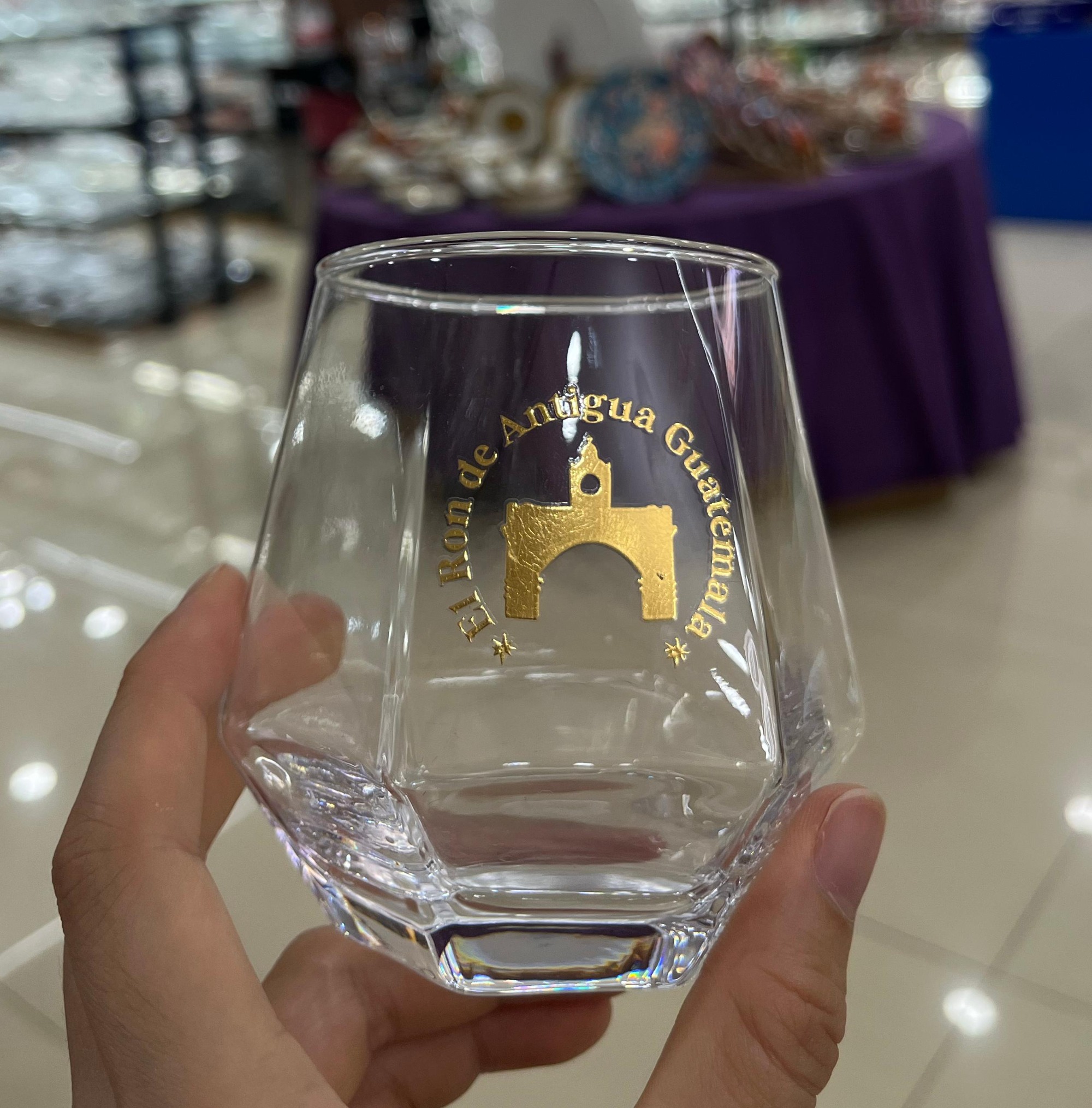
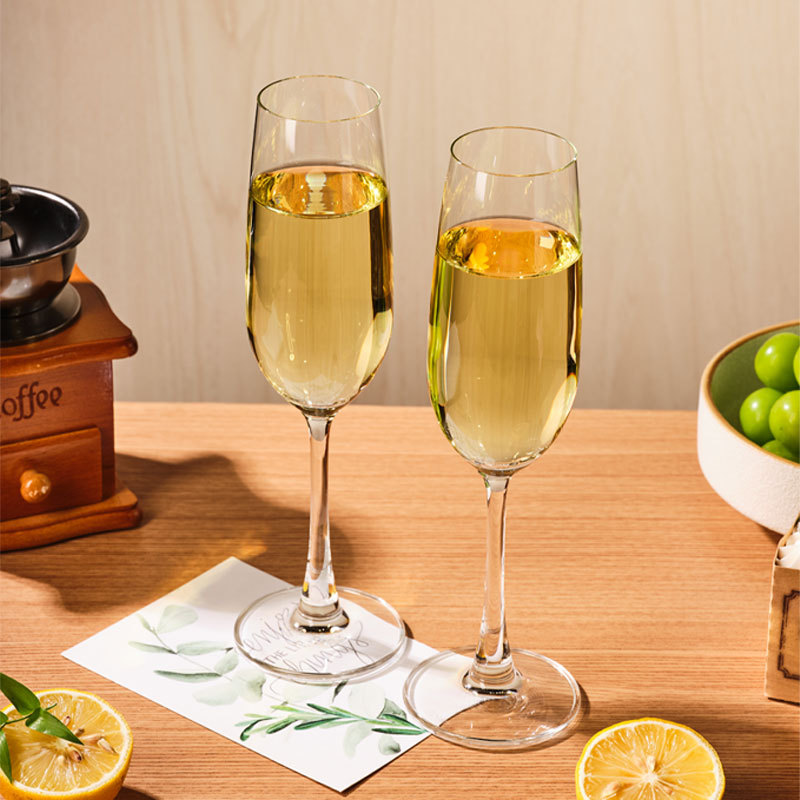
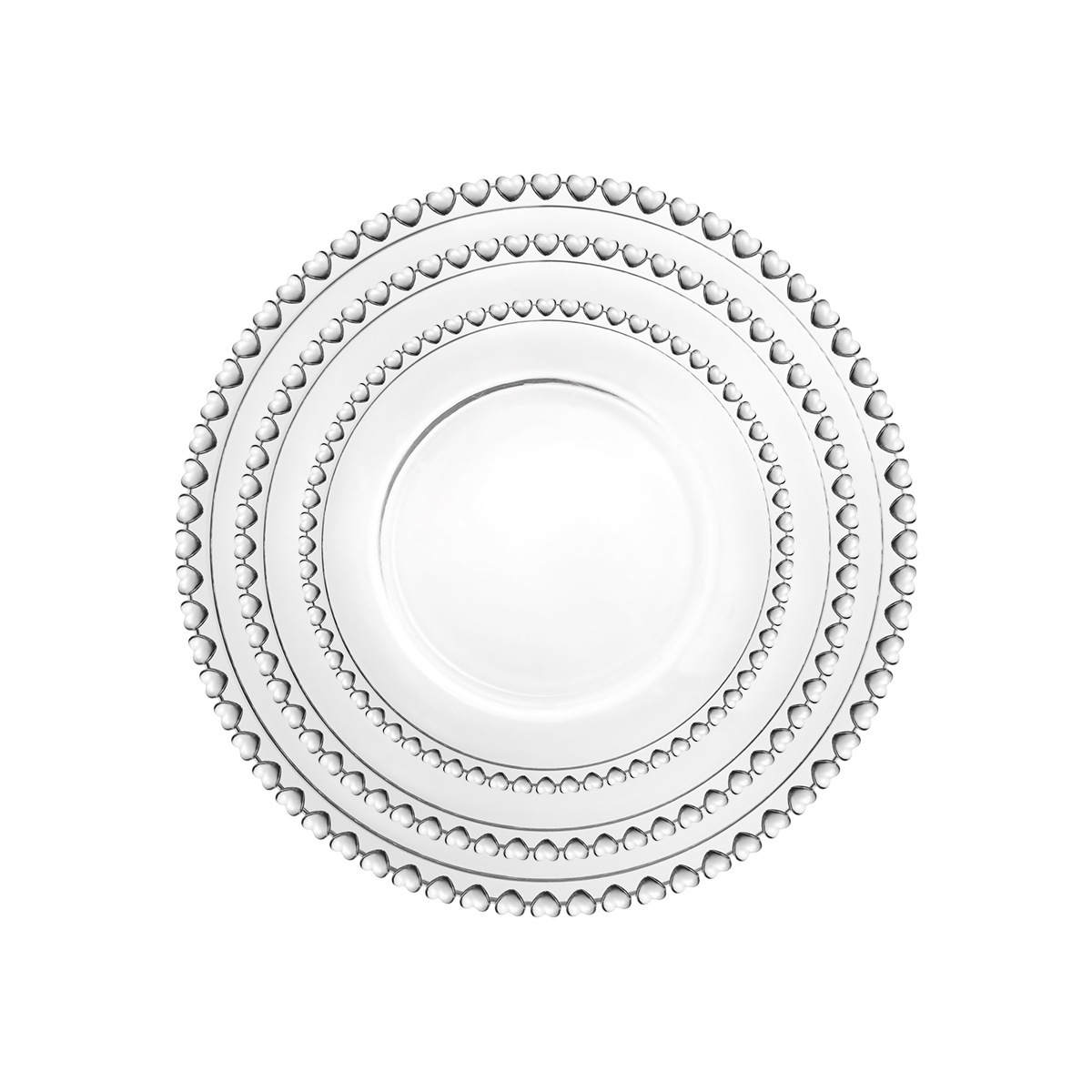
The Basics: Composition and Structure
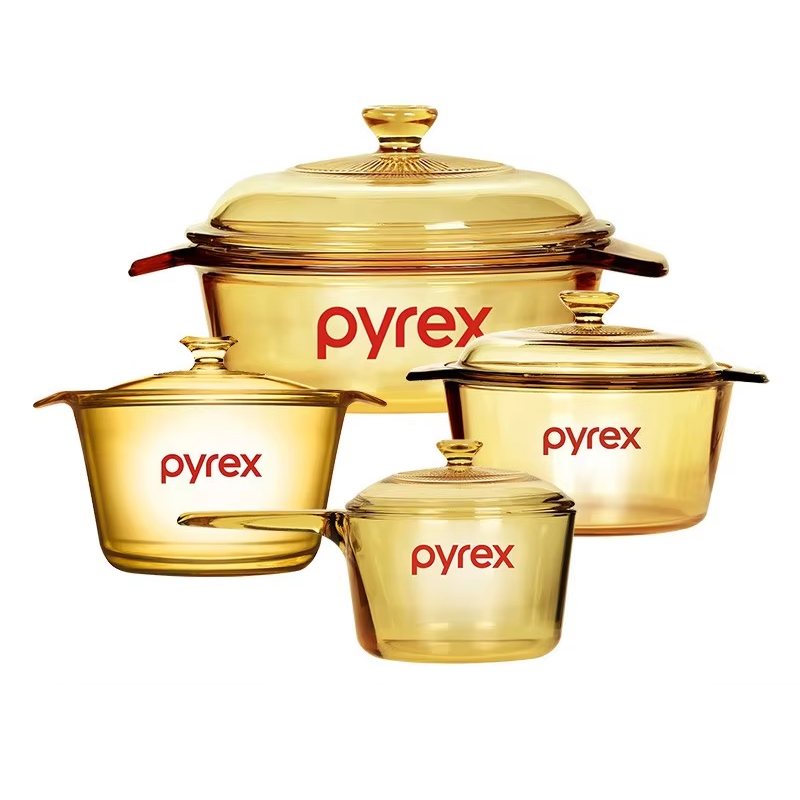
Most glass cups are made of borosilicate glass, a type of glass with a high boron and silicon content. This special material has a low coefficient of thermal expansion, which gives glass cups excellent heat resistance and shock resistance. It can withstand rapid temperature changes without cracking, making it suitable for both hot and cold beverages.
The structure of a glass cup is simple yet practical. The thickness of the cup wall is usually around 2 - 3mm for a standard glass cup. A slightly thicker wall can enhance the durability of the cup, while a thinner one makes it more lightweight and delicate. The cup mouth is typically smooth and rounded, designed for a comfortable drinking experience. Some cups may have a slightly flared or straight cup mouth, which can affect how the liquid flows into your mouth and also adds to the aesthetic appeal. The bottom of the glass cup is often slightly thicker than the cup wall to provide stability and prevent tipping over easily.
The Manufacturing Process: From Molten to Transparent
The manufacturing process of glass cups is a fascinating journey from raw materials to a transparent, functional vessel. It begins with the selection of high - quality raw materials, mainly sand (silicon dioxide), soda ash (sodium carbonate), and limestone (calcium carbonate). These are carefully measured and mixed in specific proportions.
The mixture is then fed into a large furnace, where it is heated to an extremely high temperature, typically around 1500°C. At this temperature, the raw materials melt and combine to form a homogeneous, viscous liquid - molten glass. This molten glass is in a state of high fluidity, ready for the next shaping stage.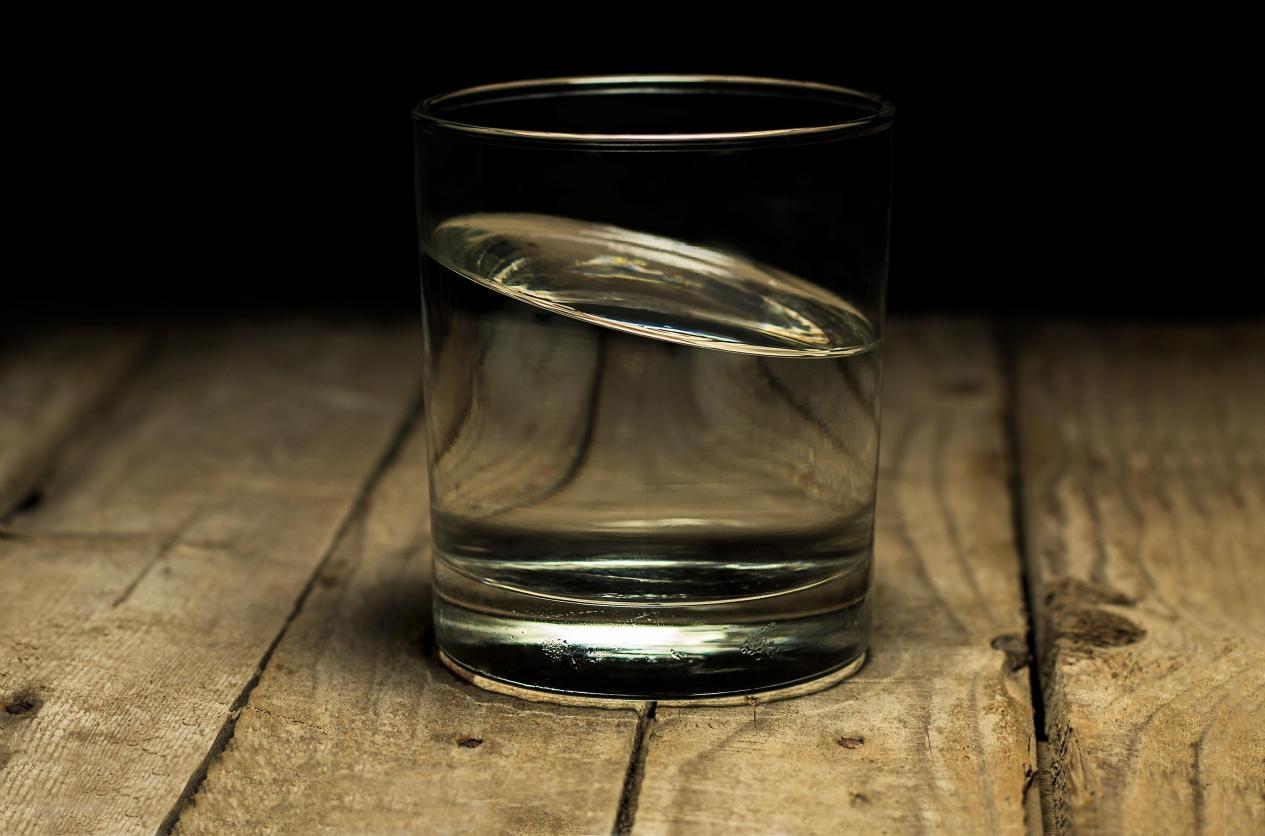
One of the most common shaping methods is glassblowing. A glassblower uses a long, hollow tube to scoop up a blob of molten glass. By blowing air into the tube, the glass expands like a balloon. The glassblower then uses various tools and their skills to shape the glass into the desired cup form, carefully controlling the thickness, shape of the cup wall, and the curve of the cup mouth. This process requires great precision and experience, as a slight miscalculation can lead to an uneven shape or a defective product.
For mass - production, the press - and - blow method is often employed. Molten glass is first placed into a pre - shaped mold. Then, a plunger presses the glass against the mold walls to form the basic shape of the cup. After that, air is blown into the mold to further refine the shape and ensure a smooth interior and exterior surface. This method is more efficient and can produce a large number of uniform glass cups in a relatively short time.
Once the glass cup is shaped, it needs to be annealed. Annealing is a heat - treatment process that slowly cools the glass at a controlled rate. This helps to relieve internal stresses within the glass, preventing it from cracking or shattering during normal use. After annealing, the glass cup goes through quality inspections, where any defects such as bubbles, cracks, or uneven thickness are identified and removed. Finally, the finished glass cups are packaged and ready to be shipped to consumers around the world.
Advantages Galore: Function and Aesthetics
Function
Glass cups offer a plethora of functional advantages that make them a staple in daily life. Their heat - resistance is a standout feature. High - quality glass cups, especially those made of borosilicate glass, can endure a wide range of temperatures. You can pour freshly brewed, steaming hot coffee (usually around 80 - 95°C) into a borosilicate glass cup without the fear of it cracking. Similarly, it can handle ice - cold beverages, such as iced tea or a chilled smoothie right out of the refrigerator. This versatility in temperature tolerance allows glass cups to be used for various types of drinks throughout the day, from a morning pick - me - up to an afternoon refreshment.
Cleaning a glass cup is a breeze. Their smooth, non - porous surface means that stains and odors have a hard time adhering. Whether you've had a strong - smelling coffee or a colorful fruit juice, a simple rinse with warm water and a bit of dish soap is usually enough to make the cup look and smell brand - new. Even stubborn tea stains can be easily removed with a gentle scrub. Compared to some other materials like plastic, which may retain odors over time, glass cups maintain their purity and freshness with minimal effort. And for those with busy lifestyles, the option to toss glass cups in the dishwasher further simplifies the cleaning process, saving both time and energy.
Aesthetics
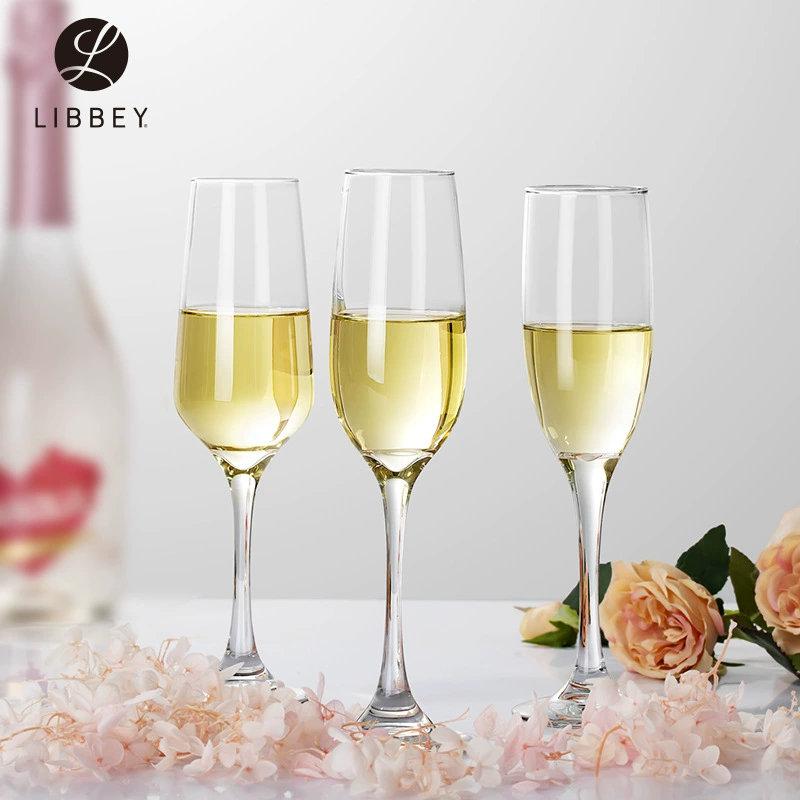
The aesthetics of glass cups are equally captivating. Their transparent and pure texture is like a blank canvas, allowing the true colors of the beverages they hold to shine through. When you pour a rich, ruby - red wine into a glass cup, the deep color is vividly displayed, enhancing the visual appeal and making the drinking experience more enticing. For a cup of freshly brewed green tea, the delicate green hue and the clarity of the liquid are perfectly presented, creating a sense of tranquility and beauty.
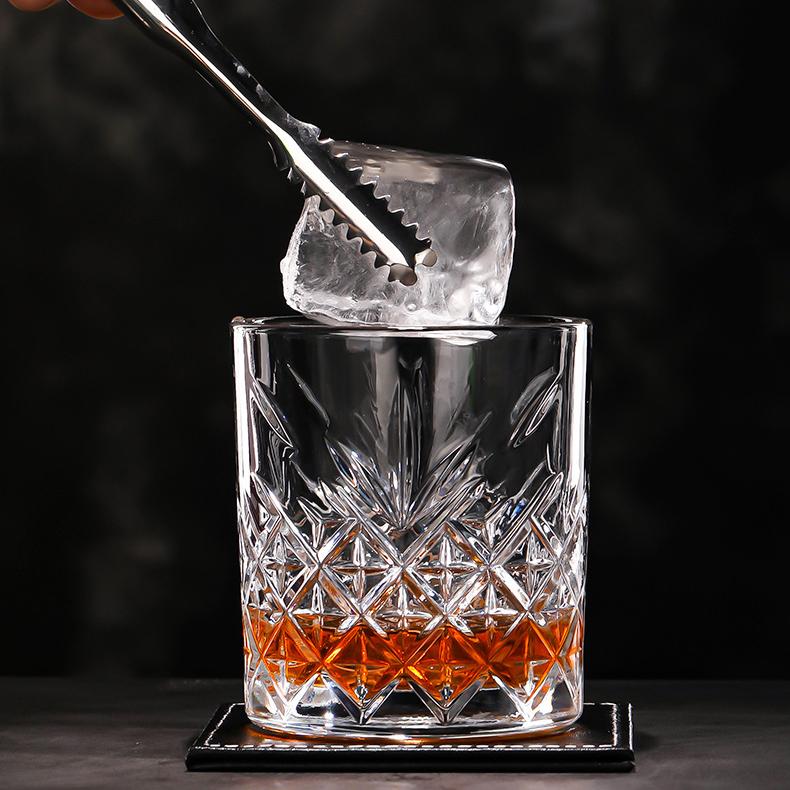
In addition, glass cups have an amazing ability to interact with light. When sunlight or artificial light passes through a glass cup, it refracts and scatters, creating beautiful, ever - changing patterns of light and shadow. These patterns can add a touch of magic to any setting, whether it's a cozy breakfast nook lit by morning sun or a sophisticated dinner table adorned with soft candlelight. Some elaborately designed glass cups, with unique shapes or engraved patterns, can even transform these light effects into a work of art, making them not only a practical item but also a decorative piece that enriches the aesthetics of our living spaces.
In Different Scenes: Versatility Unveiled
The versatility of glass cups is evident in their widespread use across various settings. In our homes, glass cups are an essential part of our daily routine. They are the go - to choice for a simple glass of water, quenching our thirst with a refreshing drink. When it comes to tea - lovers, a glass cup can be a perfect vessel to steep a fragrant cup of tea. You can watch the tea leaves unfurl and dance in the hot water, as the rich color of the tea gradually seeps out, creating a visual and sensory delight.
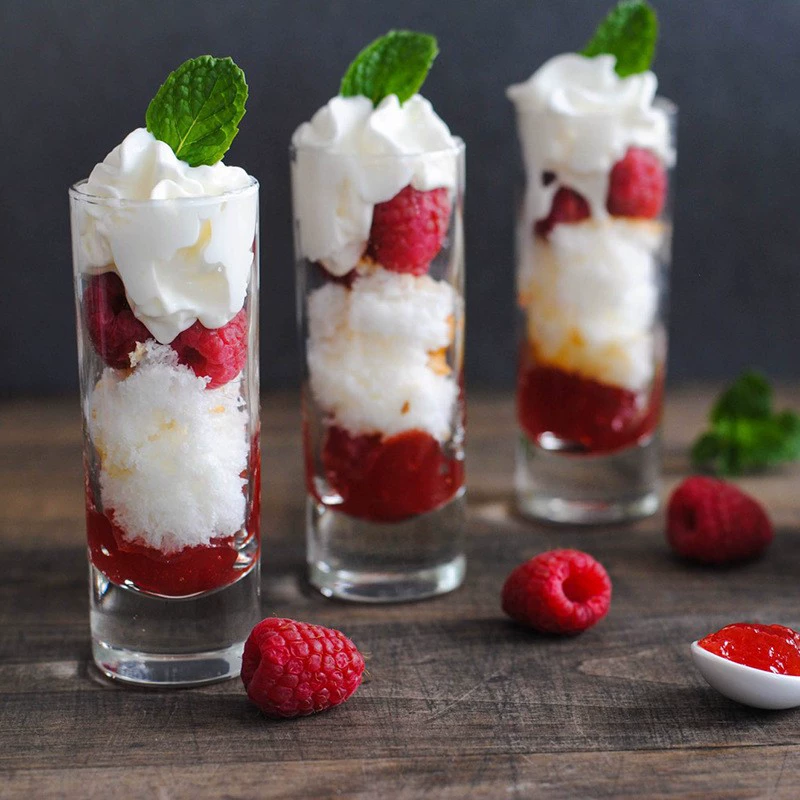
In cafes, glass cups.










Guangzhou HeXie Glass Co., Ltd.
Address: No. 22, Building 53, Haotai Hotel Supplies Expo City, Yingbin Road, Luopu Street, Panyu District, Guangzhou
Tel: +86-18011970645
Email: info@hexieglass.com
https://www.hexieglass.com