08August 2025
0Comments
1135Views
08August 2025
0Comments
1135Views
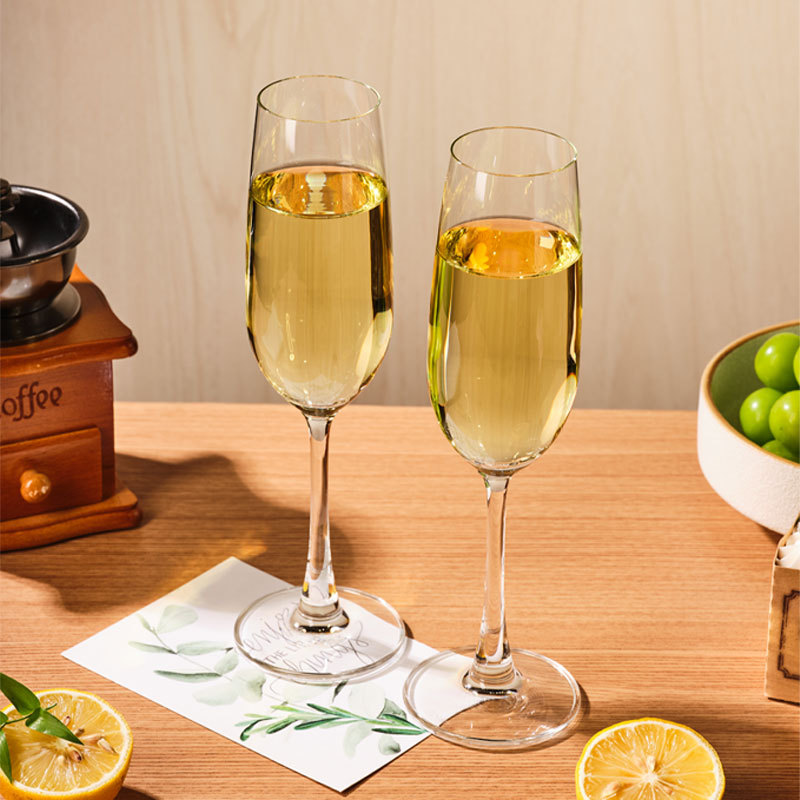
The goblet wine glass is a timeless icon in the world of wine appreciation, blending functionality with elegance to enhance the sensory experience of every sip. Often recognized by its stemmed design, broad bowl, and flared rim, this classic vessel has evolved over centuries to become more than just a drinking tool—it is a symbol of tradition, craftsmanship, and the art of savoring wine. From casual gatherings to formal banquets, the goblet remains a staple, but its design and purpose are often misunderstood. This article explores the essence of the goblet wine glass, tracing its history, dissecting its anatomy, and explaining why it continues to hold a revered place in wine culture.
At its core, a goblet wine glass is characterized by three key features: a stem, a bowl, and a base. The stem, typically long and slender, serves a practical purpose beyond aesthetics—it allows the drinker to hold the glass without touching the bowl, preventing hand warmth from altering the wine’s temperature. This is crucial because temperature significantly impacts a wine’s flavor profile; red wines, for example, are best enjoyed between 60–68°F (15–20°C), while whites thrive at 45–55°F (7–13°C). A warm hand wrapped around the bowl could raise a white wine’s temperature by several degrees, dulling its crispness and acidity.
The bowl, the most distinctive part of the goblet, varies in size and shape but is generally broader than those of other wine glasses, such as flutes or coupes. This generous volume serves two primary functions: aeration and aroma concentration. When wine is swirled in a wide bowl, it comes into contact with more oxygen, which softens tannins in red wines and releases volatile compounds that carry aromas. The bowl’s curvature then traps these aromas, directing them toward the rim where the nose can detect subtle notes—from red berry in a Pinot Noir to citrus in a Chardonnay.
The rim of a goblet is often slightly flared, which guides the wine to specific areas of the palate. This design ensures that the wine’s flavors—sweetness, acidity, bitterness—are balanced and perceived correctly. For instance, a flared rim might direct red wine toward the front of the tongue, where sweetness is most sensitive, while a narrower rim could emphasize acidity in white wines by targeting the sides of the tongue.
The goblet’s origins can be traced back to ancient civilizations, where early versions were crafted from materials like clay, wood, and even metal. The ancient Egyptians, Greeks, and Romans used stemmed vessels to drink wine, though their designs were far simpler than modern goblets. These early cups were often adorned with engravings or precious metals, reflecting the social status of their owners, as wine was a luxury reserved for the elite.
During the Middle Ages, glassmaking techniques advanced, particularly in Venice, where artisans mastered the art of creating clear, thin glass. The Venetians introduced the first true goblets, featuring stems that separated the bowl from the base—a revolutionary design that was both practical and elegant. These glasses were highly sought after across Europe, becoming symbols of wealth and refinement. However, they remained fragile and expensive, limiting their use to royal courts and wealthy merchants.
The 17th and 18th centuries marked a turning point with the rise of glassblowing in England and Bohemia (modern-day Czech Republic). Innovations like lead crystal, developed in England in 1674, gave goblets a brilliant sparkle and a heavier, more luxurious feel. This period also saw a greater emphasis on matching glassware to specific wines, with larger goblets for bold reds and smaller ones for delicate whites.
In the 20th century, practicality began to influence design. Lead-free crystal, introduced in the late 20th century, addressed health concerns associated with lead leaching into wine, making goblets safer for everyday use. Modern manufacturing techniques also made high-quality glassware more accessible, allowing households around the world to incorporate goblets into their dining rituals. Today, while specialized wine glasses (like Bordeaux glasses or Riesling glasses) have gained popularity, the classic goblet remains a versatile choice for many wine enthusiasts.
Not all goblets are created equal. Over time, variations in bowl size, shape, and rim design have emerged to complement different types of wine, ensuring that each varietal’s unique characteristics are highlighted.
Red Wine Goblets are the most recognizable, featuring large, rounded bowls that maximize aeration. These goblets are ideal for full-bodied red wines such as Cabernet Sauvignon, Malbec, and Syrah, which benefit from extensive oxygen exposure to soften their tannins. The wide bowl allows the wine to “breathe,” releasing complex aromas of dark fruit, leather, and spice. A typical red wine goblet holds 12–22 ounces, providing ample space for swirling without spilling.
White Wine Goblets are slightly smaller with narrower bowls, reducing the surface area exposed to oxygen. This design preserves the crispness and acidity of white wines like Chardonnay, Sauvignon Blanc, and Pinot Grigio, preventing them from becoming flat or overly oxidized. The bowl may also be more upright, directing the wine’s citrus or floral notes toward the nose. White wine goblets usually hold 8–12 ounces, balancing aeration needs with the wine’s delicacy.
Dessert Wine Goblets are the smallest, with tiny bowls that hold just 4–6 ounces. These are designed for sweet wines like Port, Sauternes, and Muscat, where the goal is to concentrate the wine’s intense flavors and aromas. The small size also encourages sipping, as dessert wines are typically enjoyed in smaller quantities due to their high sugar content.
Universal Goblets offer a middle ground, with medium-sized bowls that work well for both red and white wines. These are popular for casual settings or for those who prefer not to invest in multiple types of glassware. While they may not enhance each wine as precisely as specialized goblets, they provide a functional and elegant option for everyday use.
Beyond their functional benefits, goblet wine glasses play a significant role in social and cultural rituals, symbolizing hospitality, celebration, and connection. In many cultures, raising a goblet in a toast is a gesture of goodwill, dating back to ancient times when people clinked glasses to spill a small amount of wine into each other’s cups—a practice born from the fear of poison, but now a universal sign of trust and camaraderie.
In formal settings, such as fine dining restaurants or wine tastings, the choice of goblet is a deliberate one, reflecting the establishment’s commitment to enhancing the guest experience. Sommeliers often select specific goblets to complement the wines they serve, knowing that the right glass can elevate even a modest bottle. For wine enthusiasts, collecting goblets becomes a hobby, with antique or handcrafted pieces holding both sentimental and monetary value.
The act of using a goblet also encourages mindfulness. Unlike disposable cups or mugs, a goblet’s elegance invites the drinker to slow down, observe the wine’s color, swirl to release its aromas, and savor each sip. This ritualistic approach transforms drinking wine from a casual act into a sensory experience, fostering a deeper appreciation for the wine’s complexity and the craftsmanship behind it.
Selecting the right goblet depends on personal preference, the types of wine enjoyed, and the occasion. For serious wine lovers, investing in separate goblets for red, white, and dessert wines can enhance the tasting experience. When choosing, look for clear, high-quality glass or crystal—cloudy or flawed glass can distort the wine’s color, making it harder to appreciate its hue, which is an important indicator of age and quality.
The stem should be sturdy but not too thick, allowing for a comfortable grip. A stable base is also essential to prevent tipping, especially when the glass is filled. For everyday use, lead-free crystal or durable soda-lime glass is practical, as they are less prone to breakage than delicate leaded crystal.
Caring for goblets ensures their longevity and performance. Hand washing is recommended, as dishwashers can leave water spots or damage delicate stems. Use a mild detergent and a soft sponge, avoiding abrasive materials that might scratch the glass. For crystal goblets, a vinegar rinse can help maintain their brilliance. When storing, use a stemware rack or wrap them in tissue paper to prevent chipping, and avoid stacking them, as this can cause cracks.
The goblet wine glass is more than a vessel—it is a fusion of history, science, and art. Its design, refined over centuries, reflects a deep understanding of how to enhance wine’s flavors and aromas, while its presence in social rituals underscores its role as a symbol of connection and celebration. Whether used for a quiet evening at home or a grand celebration, the goblet invites us to engage with wine more fully: to see its color, smell its bouquet, and taste its complexity.
In a world of ever-changing trends, the goblet remains a constant, reminding us that some traditions endure because they work. It bridges the gap between functionality and beauty, proving that the tools we use to enjoy life’s pleasures can be just as meaningful as the pleasures themselves. So the next time you raise a goblet, take a moment to appreciate not just the wine within, but the craftsmanship and history that make the experience complete.












Guangzhou HeXie Glass Co., Ltd.
Address: No. 22, Building 53, Haotai Hotel Supplies Expo City, Yingbin Road, Luopu Street, Panyu District, Guangzhou
Tel: +86-18011970645
Email: info@hexieglass.com
https://www.hexieglass.com