Advantages and disadvantages of custom baked logo and silk screen logo
 Eric
18June 2025
0Comments
544Views
Eric
18June 2025
0Comments
544Views
Custom baked logos are indeed more durable than silk-screen logos. This is determined by the fundamental principles of the two processes.
The following is a detailed explanation and comparison:
Process principles and combination methods:
Baking:
Usually used for high-temperature resistant materials such as ceramics, glass, enamel, metal, etc.
A glaze or special ink containing inorganic pigments (usually metal oxides) is printed or sprayed on the surface of the object.
The object is then fired in a high-temperature kiln (usually at 700°C - 800°C or even higher).
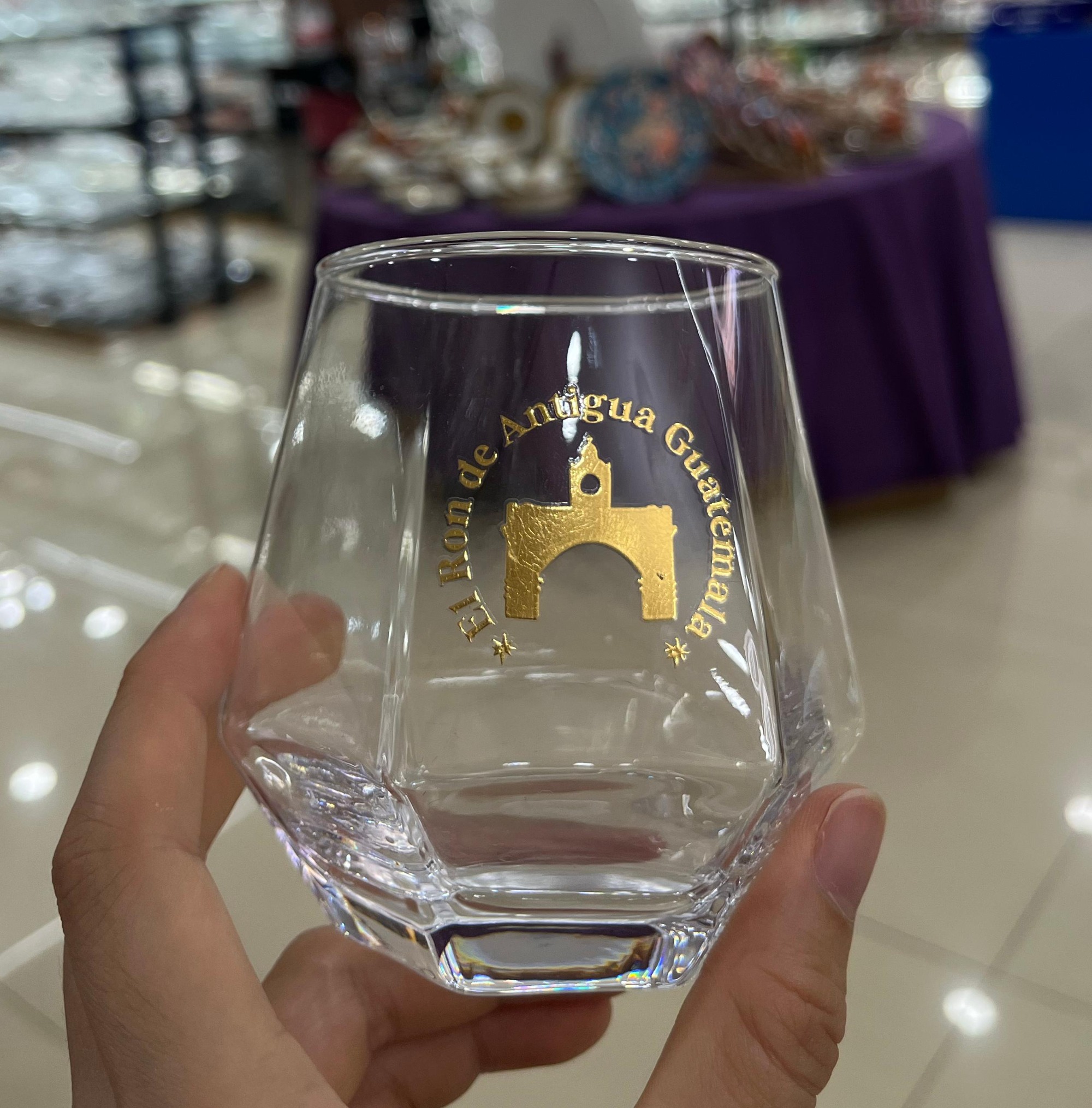
At high temperatures, the glaze/ink melts and chemically reacts or physically fuses with the surface of the substrate to form a hard, wear-resistant, corrosion-resistant vitrified or enameled coating. The logo actually becomes part of the substrate surface.
Silk-screen printing:
Wider range of applications (plastics, paper, fabrics, metals, glass, ceramics, etc.).
The ink (usually organic resin-based) is scraped onto the surface of the object through a silk screen.
The ink is dried and cured at room temperature or lower temperature (such as UV curing), mainly relying on physical attachment (adhesion) to the surface of the substrate. Some screen printing inks are also very hard after curing (such as UV inks, some high-temperature curing inks), but their bonding strength with the substrate is usually not as good as that of high-temperature fired decoration.
Key differences in durability:
Wear resistance: The glass/enamel layer formed by decoration is extremely hard (close to or exceeding glass) and extremely resistant to scratches, friction and wear. Even with long-term use or cleaning, the logo can remain clear. The screen printing ink layer is relatively soft, and long-term friction and scratching can easily cause the ink layer to fall off or become blurred due to wear.
Chemical resistance: The decoration layer is very resistant to strong acids, strong alkalis, solvents and detergents. Screen printing inks (even those with good chemical resistance) may be corroded, dissolved or fall off if they come into contact with these substances for a long time.
Weather resistance: The decoration layer is resistant to ultraviolet rays, high temperatures, severe cold, and moisture, and the color is not easy to fade, powder or peel off, making it very suitable for long-term outdoor use. Ordinary silk screen inks are prone to fading, cracking, and peeling under long-term exposure to the sun and rain outdoors (of course, there are also special high-performance outdoor silk screen inks, but they are more expensive and their durability is still usually inferior to that of baked flowers).
Temperature resistance: Baked flowers themselves are fired at high temperatures and have extremely strong high temperature resistance (usually they can withstand operating temperatures far higher than the firing temperature). Silk screen inks have limited temperature resistance, and high temperature environments may cause them to soften, melt, change color, or even release harmful substances.
Bonding strength: The baked flower logo and the substrate are chemically/physically fused, and the bonding strength is super strong. The silk screen logo is surface-attached, and the bonding strength is relatively weak, especially on smooth or low-surface-energy substrates (such as some plastics and glass), which are easily peeled off due to external forces or environmental factors.
Summary of the good durability of baked flower logos:
Physical properties: It forms an ultra-hard glass/enamel layer with top-level scratch and wear resistance.
Chemical properties: It is resistant to strong acid and alkali solvents and is not easily corroded or dissolved.
Environmental stability: UV resistance, high and low temperature resistance, moisture resistance, not easy to fade and powder.
Bonding strength: Fused into the substrate, almost impossible to peel off.
Disadvantages of silk screen logo in terms of durability:
The ink layer has a relatively low hardness and is easy to wear and scratch.
Limited chemical resistance, easily damaged by solvents or strong detergents.
Ordinary inks have poor weather resistance and are prone to fading and aging outdoors.
Average temperature resistance, may cause problems at high temperatures.
It is a surface attachment, the bonding force is not as strong as baking, and there is a risk of peeling.
Limitations of baking process:
Material restrictions: Mainly used for inorganic materials that are resistant to high temperatures (ceramics, glass, enamel, specific metals). Plastics, wood, fabrics and other materials that are not resistant to high temperatures cannot be used.
Cost: The equipment and energy consumption costs are high, the process is more complicated, and the cost is usually higher than silk screen.
Color restrictions: Some colors (such as bright red) may be unstable or difficult to achieve at high temperatures.
Production cycle: The firing process takes time, and the production cycle may be longer than silk-screen printing.
Minimum order quantity: There is usually a higher minimum order quantity requirement.
Conclusion:
Your statement that "custom baked logos are more durable than silk-screen logos" is very accurate. The excellent performance of the baking process in wear resistance, chemical resistance, weather resistance, temperature resistance and bonding strength makes its logo durability far superior to conventional silk-screen printing processes.
Selection suggestions:
If your products are high-temperature resistant materials such as ceramic cups, glassware, enamel signs, metal nameplates, and have extremely high requirements for the permanence and super durability of the logo (especially wear resistance, chemical resistance, and weather resistance) (such as high-end gifts, souvenirs, industrial signs, outdoor signs, and utensils that require frequent cleaning and disinfection), baking is the preferred process.
If your product material is not resistant to high temperatures (such as plastic, cloth), or is cost-sensitive, has a low minimum order quantity, has particularly complex and bright colors, or does not require extreme durability (such as ordinary goods used indoors, short-term promotional items), then screen printing (especially high-quality UV curing or special ink screen printing) may be a more appropriate choice.
Simply put: if you pursue extreme durability and permanence, and the substrate allows, choose baking; if you pursue cost, flexibility and wide applicability, choose screen printing (and choose the right ink).


 18June 2025
0Comments
544Views
18June 2025
0Comments
544Views