Analysis of Champagne's history, culture and brewing process
 Eric
23May 2025
0Comments
707Views
Eric
23May 2025
0Comments
707Views
Champagne, as the most representative sparkling wine in France, is not only a symbol of celebration and luxury, but also contains profound history, culture and technical craftsmanship. The following analyzes the core information of Champagne from multiple perspectives:
I. Definition and Protection of Origin
Champagne specifically refers to sparkling wine produced in the Champagne region of France (Champagne AOC), using designated grape varieties (Chardonnay, Pinot Noir, Pinot Meunier), and brewed by traditional method (secondary fermentation in bottle). Its name is strictly restricted by the protection of origin system. Sparkling wine produced in other regions cannot be called "Champagne" even if the process is the same.
II. History and Legend
Origin: Champagne was originally a still wine. In the 17th century, the monk Dom Pérignon accidentally discovered the bubbles produced by secondary fermentation, which promoted the development of sparkling champagne and was hailed as the "Father of Champagne".
Royal Origin: Since the coronation of King Clovis of the Franks in 496, Champagne has become the wine of celebration for the French royal family. The coronation ceremony of Reims Cathedral further consolidated its status as the "drink of kings".
Cultural Symbols: Napoleon regarded Champagne as the "wine of victory", Churchill called it a wartime necessity, and the legend of Queen Mary gave it a romantic color.
III. Brewing Technology
Traditional Method (Champagne Method):
Base wine fermentation: Grapes are pressed and fermented into static white wine for the first time.
Blending: Mix base wines of different years or regions to stabilize the style (non-vintage Champagne) or highlight the characteristics of a single year (vintage Champagne).
Secondary Fermentation: Add sugar and yeast, and ferment in a sealed bottle to produce carbon dioxide bubbles.
Aging and disgorging: The wine is kept in contact with the lees for at least 15 months (non-vintage) or 3 years (vintage), and the sediment is collected and disgorged by freezing.
IV. Classification and flavor
By sweetness: divided into 7 levels, from Brut Nature (0-3 g/L sugar) to Doux (50+ g/L sugar), the most common is Brut (≤12 g/L).
By grape variety:
Blanc de Blancs: only Chardonnay, fresh taste with citrus aroma.
Blanc de Noirs: only Pinot Noir or Pinot Meunier, rich fruit flavor.
Rosé: blended red and white base wine or briefly soaked on the skin, pink in color468.
Vintage and non-vintage: Vintage champagne uses grapes from a single year and has a unique style; non-vintage (NV) blends base wines from multiple years, reflecting the stability of the winery's style.
V. Cultural significance and usage scenarios
Celebration symbol: Champagne is associated with victory and auspiciousness, and is used in weddings, award ceremonies, and the "bottle throwing ceremony" for the launch of a new ship.
Social value: Paired with high-end ingredients such as caviar and oysters, or with everyday meals such as fried foods and barbecue to create a contrasting interest.
Health effects: Contains polyphenols as antioxidants, which can improve cardiovascular health and enhance brain function, and has lower calories than red wine (about 80-100 calories per glass).
VI. Famous brands and production areas
Core production areas: Reims Mountains, Marne Valley, White Hill and Bar River Banks, with chalk-based soil, which is conducive to maintaining grape acidity.
Representative brands:
Moët & Chandon: The brand with the largest annual output, affiliated to the LVMH Group.
Krug: Known for its complex taste.
Dom Pérignon: A representative of top vintage champagne.
VII. Drinking and Storage
Opening tips: chill to 6-10℃, tilt the bottle and slowly rotate the bottom of the bottle to avoid violent shaking.
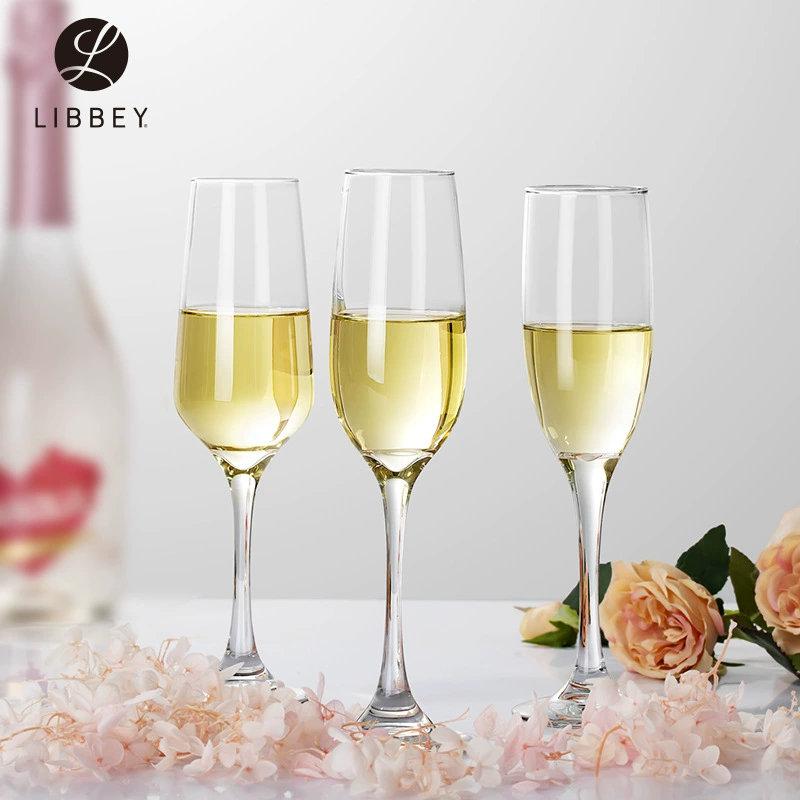
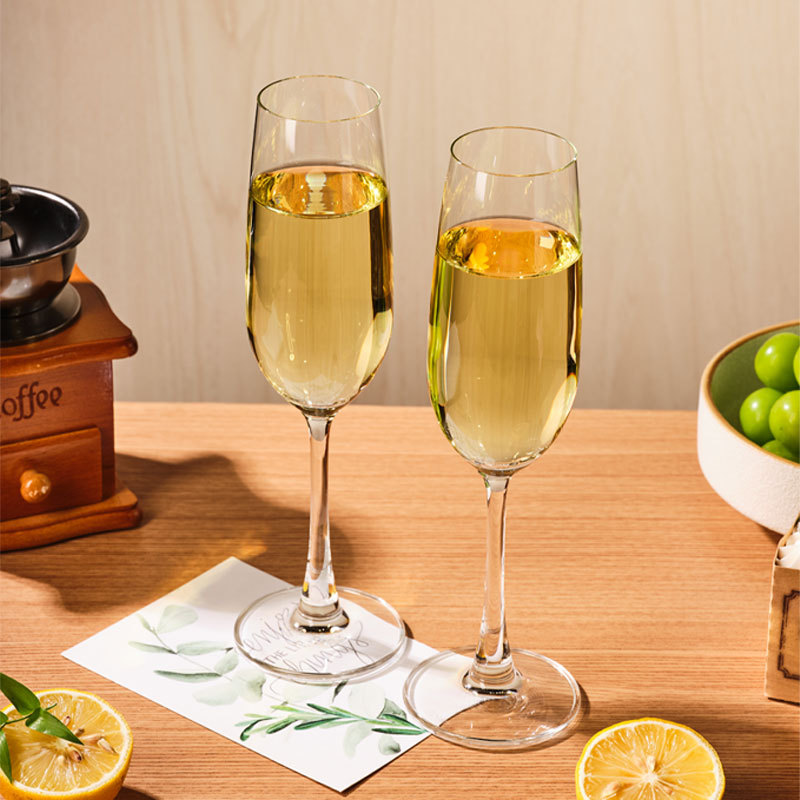
Choice of wine glass: tulip glass allows for both bubble viewing and aroma gathering, flute glass highlights the visual effect of bubbles.
Storage conditions: keep the wine away from light and at a constant temperature (10-15℃). Store the wine flat for long-term storage to prevent the cork from drying.
The unique charm of champagne stems from its strict geographical indication, exquisite craftsmanship and cultural accumulation. Whether it is historical allusions or modern life, it has always been synonymous with celebration and quality. For in-depth exploration, you can refer to the winery tour routes in the Champagne region (such as Reims and Epernay) to experience the secrets of brewing firsthand.


 23May 2025
0Comments
707Views
23May 2025
0Comments
707Views